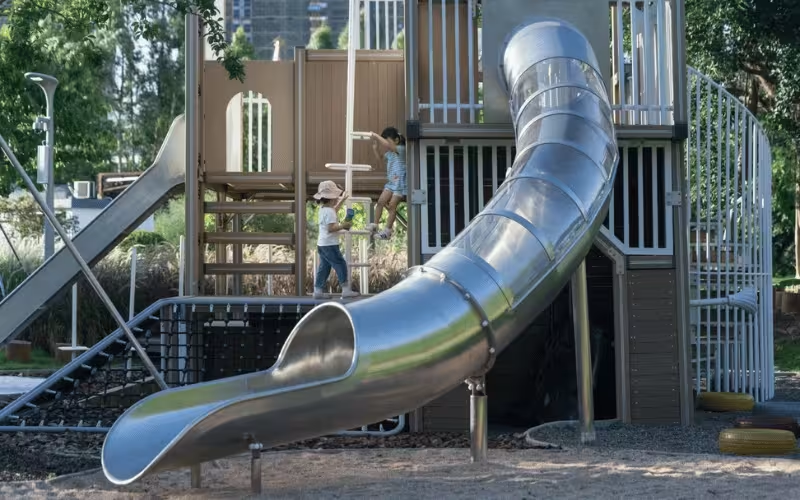
When it comes to outdoor play equipment and community park protection, people often ask common questions, such as how to keep bugs or spiders away from swing sets. How do people protect climbing structures from heavy rain? Or, how do users protect freestanding playground equipment from vandalism or damage? Today, we share easy fixes for these common issues and great tips to protect your commercial play structures or backyard outdoor play equipment.
To protect outdoor play equipment, here is what you need to know:
| How to Protect | 8 solutions |
|---|---|
| Protect From | damage/rain/cold, etc. |
| Equipment Types | Freestanding/modular play equipment |
| Examples | Inqilaplay freestanding structures |
1. How to Prevent Vandalism or Theft of Outdoor Play Equipment
Outside play structures or commercial park equipment are vulnerable to vandalism and theft because shrewd vandals or intruders try to cover their tracks by dismantling, damaging, or defacing standalone playground equipment or modular systems.
Solutions:
To prevent outdoor play equipment from being stolen or damaged, place it in highly visible areas such as open park spaces, near busy walkways, or under clear street lighting, and mount it firmly in the ground with heavy-duty concrete footings (Click here to find more ideal installation spots for community parks).
Also, you may place smaller modular accessories in secure storage bins, locked sheds, or other hidden locations overnight to prevent theft.
Or use heavy-duty tamper-proof fasteners and specialized hardware covers like these ones, which help protect the structural joints, keep the play equipment secure, and prevent costly playground components from being easily dismantled.
To make outdoor play equipment tamper-proof and avoid being defaced by spray paint or markers, you could also invest in specialized anti-graffiti coatings, as one Inqilaplay user did with their commercial climbing net structure.
Or using protective barrier fencing or tall landscape hedges for outdoor play areas, for example, Inqilaplay modular play equipment boundary fencing.
[Updated] Another solution on how to protect playground equipment from vandalism is to install motion-activated lighting, just like this genius park administrator does.
2. How to Keep Bugs and Insects Away from Play Equipment
Outdoor play equipment for a community park—such as shaded seating areas, outdoor climbing nets with overhead canopies in the backyard or playground—sometimes creates cool, dark spaces that attract mosquitoes, wasps, and other insects over time.
Soon, your outdoor play equipment or freestanding playground structures will be covered by spiderwebs, wasp nests, or annoying insects.
And these obnoxious spider webs and bug nests will start getting annoying, for it not only blocks the children’s play area but also create severe safety hazards, especially for kids allergic to bee or wasp stings.
Solutions:
To keep bugs away from your outdoor play equipment, using a bug spray or a child-safe insecticide like Bifen around the equipment’s foundation or canopy might help. Alternatively, users could remove nearby standing water or trim back overgrown bushes like these ones.
To prevent spiders from making webs on the external play structures or systems, some users suggest applying a thin layer of petroleum jelly to the high corners surrounding the canopy.
Meanwhile, some natural insect repellents could also help keep spiders from making cobwebs on exterior equipment, such as citrus, eucalyptus, lavender, or peppermint essential oil sprays.
Spider/insect repellents for the playground, contact sprays, aerosol sprays, and web eliminators around the freestanding outdoor play equipment, but not directly on the handholds, for example, Permethrin, will help exterminate bug infestation.
Another way to keep bugs away from play equipment is to regularly clean the exterior of the structure, slides, enclosures, roofs, and tunnels with a high-pressure hose, which also helps keep outdoor play structures perfectly clean.
Ready. Set. Play!
3. How to Protect Play Equipment from Extreme Weather
When you are in areas with very cold winters that drop below zero or hot summers that reach 105°F, your community play system or freestanding outdoor play equipment could suffer if it is not designed to withstand sub-zero temperatures or scorching heat.
Besides, there are all sorts of weather conditions and elements that you need to protect your outdoor playgrounds from.
Solutions:
First of all, check the outdoor play equipment’s material specifications and coatings, which indicate its ability to withstand harsh environmental conditions.
For example, an outdoor playground structure made of heavy galvanized steel can withstand impacts from solid objects like ice and liquid-like rainwater, which could be rendered completely weatherproof.
And check the recommended temperature guidelines of the play equipment, either plastic slides or metal climbing structures.
Many outdoor community play structures, like the Inqilaplay freestanding climbers, normally operate safely in temperatures ranging from 14°F to 131°F (-10 °C to +55 °C) and humidity levels of around 10% to 90%.
In addition, you could get a commercial shade structure or canopy/roof/enclosure to protect outdoor community play equipment (metal or plastic) from rainwater, snow, dust, heat, and other harsh elements.
Apart from structural protection, when anchored outdoor equipment (freestanding or modular) is exposed to the elements, such as on a beach, in a park, on a schoolyard, or at other outdoor locations, base plates and anchors should be waterproofed with rubberized coatings or specialized plastic caps. And for outdoor surfacing, go for durable, outdoor-rated rubber mulch; for example, poured-in-place rubber is great for standalone play equipment, too.
Another feasible way to protect playground anchor bolts from rain is to use protective junction covers to conceal the hardware and footings from sight.
If you don’t plan to use surfacing covers or anchor caps, remember to seal the concrete holes as well. Otherwise, moisture may run along the surface of the metal posts and get into the foundational connection points, which may result in structural rust and a costly repair.
Take the two useful tips below to cover play equipment anchor holes in the ground:
- Fill the holes with waterproof materials like commercial-grade silicone and concrete sealant.
- Leave proper drainage pathways to prevent water from pooling around the metal posts through the surfacing.
- Use waterproof outdoor base covers or specialized caps to conceal the hardware.
[Updated] Besides, in extremely cold weather, it is important to check plastic enclosures and make sure there is no severe freezing or cracking inside the tunnels, or put a heavy-duty tarp over the equipment. Apart from the structure, chains and connectors can be protected from frost or snow by regularly checking that the swings and ropes are in good shape.
Hold Up: Click here to learn practical tricks to maintain outdoor play equipment in extreme cold areas.
4. How to Prevent Glare and Reflection Issues on Play Equipment
When an outdoor-mounted play structure is pointed at highly reflective surfaces, such as ponds, glass panels, or shiny car windows, it can cause intense glare and obstruct safe viewing for supervising parents.
Sometimes, the bright afternoon sun can cause harsh reflections or blinding light on your metal slides when the equipment is facing west.
Solutions:
To avoid the snag, place your freestanding playground equipment or modular play area in well-shaded sections of your park for greater comfort.
To prevent harsh sunlight and surface glare, it is advisable to adjust the orientation of your outdoor play equipment or avoid reflective surfaces like large bodies of water.
Here are more great tips for minimizing sun reflection on playground surfaces, such as using matte-finish powder coatings, installing external shade canopies, or placing equipment under large mature trees.
5. How to Stop Moisture and Condensation on Play Equipment
Playground equipment parts are typically treated and sealed during assembly, which helps reduce the risk of moisture seeping into the structural joints.
However, some users said their outdoor plastic dome structures sometimes fog up at night, with moisture and condensation inside the enclosed play spaces.
One user said the tunnel equipment starts collecting dew and becoming incredibly slippery in the early morning.
Solutions:
A condensation problem that occurs in the early morning sometimes dries out on its own when the sun rises, so there is no need to manually clear the surface.
Sometimes the moisture issue persists for a long time; the solution to internal condensation is to drill small, manufacturer-approved drainage holes in the plastic case.
Sometimes condensation occurs because enclosed outdoor structures lack proper ventilation. Try cleaning the play tunnels inside and out first, and ensure air flows freely through the exits.
Regular wiping of the outer plastic covers with a dry micro-fiber cloth will protect your external play structures and prevent mold.
6. How to Protect Play Equipment from Lightning and Storm Damage
Think ahead before the lightning strike ruins your valuable community investment.
Recently, a park administrator shared her experience of her community park being struck by lightning, with play equipment taking severe damage – melted plastic, scorched metal frames, or complete structural compromise.
Solutions:
Avoid placing tall freestanding metal playground equipment near isolated tall trees because trees can be highly conductive during lightning strikes and cause branching currents.
Make sure your anchored outdoor play system (metal climbers or steel swing sets) is properly grounded, which can minimize damage by redirecting intense lightning current into the earth rather than discharging it by melting your play equipment.
Lightning protection systems will stop dangerous strikes and surges by intercepting lightning channels that exceed specific heights and channeling extreme voltage into the ground line.
Heavy-duty anchoring units will ensure the equipment’s structural stability during a severe windstorm, mitigating concerns about it blowing over.
If living in areas where a thunderstorm is a common occurrence, you could click here and learn more about how to protect outdoor play systems from severe storm damage.
7. How to Prevent Unauthorized Access or Misuse of Play Equipment
One of the vulnerabilities of community play areas is the possibility of misuse by older adolescents or ill-intentioned individuals, either by damaging freestanding outdoor equipment or by loitering after park hours.
Solutions:
The solution to the problem is to enclose your play area with heavy-duty perimeter fencing and lockable gates.
Changing your access padlocks frequently and keeping the park rules highly visible is vital to securing your outdoor community play system.
Regularly inspecting your outdoor property’s play equipment hardware helps identify loose bolts and structural vulnerabilities. (Learn more about how to maintain your equipment hardware)
8. How to Address Wear and Tear or Maintenance Issues
If your play structures, like the freestanding outdoor swing set and modular climbing nets, occasionally or constantly experience material issues, such as peeling paint, rusty chains, frayed ropes, loose bolts, or faded plastic roofs.
Solutions:
Check the outdoor play equipment connections to ensure they are in good condition and not damaged or frayed. Here are some common tips for troubleshooting play equipment, such as checking hardware tightness, replacing worn swing seats, touching up protective paint, or contacting the manufacturer’s technical support.
Do not ignore minor rust spots on the metal surfaces or structural joints of your outdoor play equipment, as they can lead to widespread corrosion that compromises structural integrity and safety. Try using a wire brush and rust-inhibiting spray paint immediately if necessary.
Conclusion
From simple backyard swing sets to comprehensive commercial play systems, protecting your outdoor play equipment is essential for maximizing your community investment. These protective strategies not only ensure the safety of the children using the equipment but also prevent costly repairs and early replacements.
As the seasons change, administrators and homeowners can seize this golden opportunity to implement proactive maintenance routines, while children benefit from safe, clean, and durable structures that promote healthier, active lifestyles. By gaining a deeper understanding of weather protection, vandalism deterrence, and routine maintenance, you can harness the full potential of your freestanding play equipment to keep your recreational spaces pristine and welcoming for years to come.