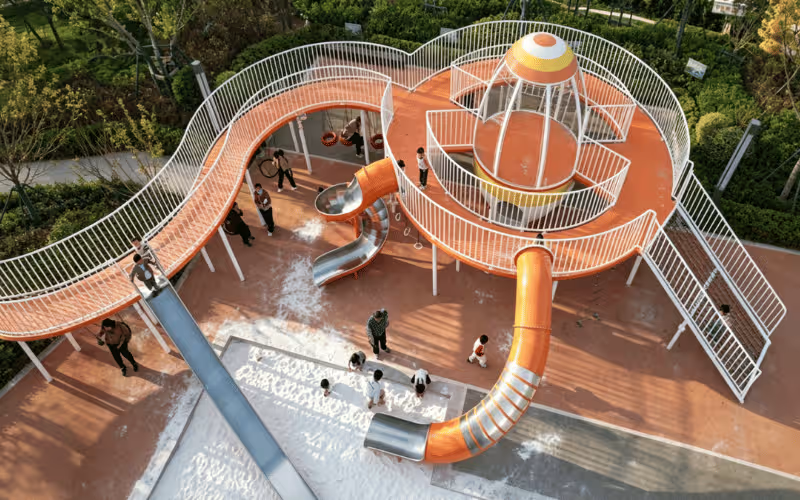
Look, picking a playground slide shouldn’t give you a headache, but staring at too many options often leaves people feeling completely overwhelmed. When faced with a dozen different sizes and wondering which one actually fits your specific recreational space, making the right choice becomes incredibly challenging. The perfect slide does much more than just look good; it actively enhances daily playtime while ensuring maximum safety for everyone involved. Whether you are building a backyard haven for your children or designing a massive community park, finding the right equipment is crucial.
Here is the good news: once you understand the standard slide dimensions, the available materials, and which type works best in different situations, the decision-making process becomes remarkably straightforward. Knowing exactly how these components fit together allows you to quickly eliminate unsuitable options and focus solely on the perfect match for your project. This essential guide will break down everything you actually need to know to make informed, confident choices. Let us dive into the details so you can finally bring your ultimate playground vision to life without any stress or second-guessing.
Standard Playground Slide Sizes
Standard playground slide sizes vary significantly to accommodate different age groups and fit safely within various recreational setups. When evaluating standard dimensions, you will generally look at both the slide length and the deck height, which is the vertical distance from the ground to the top platform. Smaller slides with low deck heights are engineered to provide a safe, gentle slope for toddlers who are just developing their coordination. Conversely, much larger slides with towering deck heights offer the thrilling, fast-paced descent that older children and young teenagers actively crave. Manufacturers meticulously calculate these standard sizes to ensure the sliding angle remains safe while still delivering an exciting ride. By understanding these baseline measurements, you can easily match the slide’s physical footprint with the specific developmental needs of the children who will use it most frequently.
Choosing the right size remains absolutely critical, as it directly depends on your available physical space and the intended users. You must carefully measure your designated play area, keeping in mind that safety regulations require a substantial use zone or clearance area around the slide’s exit point. Squeezing a massive slide into a tiny footprint creates dangerous collision hazards and violates basic playground safety standards. Common slide sizes serve as a great reference point when planning your layout. For example, toddler slides generally feature deck heights of 4 to 6 feet, making them perfectly safe and accessible for younger kids. On the other hand, larger slides designed for schoolyards or public parks typically range from 8 to 12 feet in height, requiring significantly more ground space but delivering maximum entertainment for older, more adventurous children.
Types of Playground Slides
Straight Slides
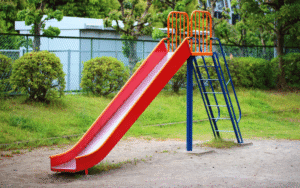
Straight slides represent the most common and universally recognized type of slide found in playgrounds around the world. Featuring a single, direct path from top to bottom, these classic structures are highly versatile and completely suitable for all age groups. Their straightforward design ensures a smooth, predictable, and highly enjoyable sliding experience every time.
Beyond their universal appeal, straight slides are celebrated for their incredible simplicity, overall safety, and exceptional cost-effectiveness. Because they require less material and feature an uncomplicated manufacturing process, they are usually much more affordable than complex alternatives. Additionally, the open, direct sightlines make it easy for parents to actively monitor their children during play.
Spiral Slides
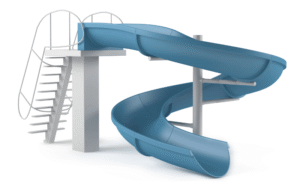
Spiral slides brilliantly add an extra layer of excitement to any playground by incorporating thrilling twists and turns into the descent. As children navigate the winding path, they experience a dynamic, fast-paced ride that feels significantly more adventurous than a traditional straight drop. This unique movement easily captivates older children seeking more engaging physical challenges.
Furthermore, spiral slides boast a highly efficient, space-saving design that works perfectly in playgrounds with limited square footage. Because the sliding surface wraps tightly around a central pole, it delivers a long, thrilling ride without requiring a massive horizontal footprint. Their striking visual appeal and compact nature make them an incredibly popular choice for modern play spaces.
Tube Slides
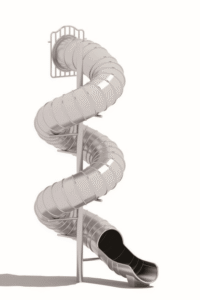
Tube slides provide a fully enclosed sliding experience, offering a unique combination of maximum safety and extraordinary fun. By wrapping completely around the rider, these structures eliminate the risk of children accidentally tumbling over the sides during their descent. The dark, tunnel-like environment creates an exciting sense of mystery that kids absolutely love exploring.
These enclosed options are particularly suitable for younger children who might feel intimidated by high, open drops. In addition to their psychological comfort, tube slides offer excellent weather protection. Because the interior is shielded from direct sunlight and rain, the sliding surface remains cool during the summer and dry during passing showers, maximizing usability.
Materials Used in Playground Slides
When selecting a playground slide, the construction material plays a massive role in determining the equipment’s overall longevity, safety, and visual appeal. The most common materials used in modern manufacturing include commercial-grade plastic, heavy-duty stainless steel, and reinforced fiberglass. Each of these materials brings unique structural benefits, ensuring the slide can withstand thousands of hours of intense daily use. Plastic slides are typically rotationally molded to create seamless, vibrant structures that never rust. Stainless steel options provide unmatched industrial strength and an incredibly sleek, timeless aesthetic that perfectly resists vandalism. Meanwhile, fiberglass offers a remarkably smooth, fast sliding surface while maintaining exceptional structural integrity. Understanding how these materials perform under constant stress helps you select a slide that maximizes user safety while delivering years of reliable, maintenance-free entertainment for your specific environment.
Comparing the specific pros and cons of each material is essential for making the right long-term investment. Plastic slides remain the most popular choice because they are incredibly lightweight, highly affordable, and available in a wide range of bright colors; however, they can eventually fade or crack when exposed to intense UV rays for extended periods. Stainless steel slides offer the ultimate in heavy-duty durability and boast a stunningly sleek appearance, but they heat up quickly, making them uncomfortably hot for children during peak summer. Fiberglass serves as an excellent middle ground, offering highly customizable shapes, incredible weather resistance, and a permanently smooth surface that resists intense friction. While fiberglass costs slightly more than plastic, its ability to withstand extreme temperature fluctuations without warping or degrading makes it a fantastic option for outdoor parks.
Playground Slides for Different Settings
Residential Playgrounds
Slides designed specifically for residential backyards are compact and offer unmatched affordability for families. These units are engineered to fit comfortably into typical home gardens without overwhelming the landscape or requiring professional heavy machinery for installation. Because they cater to smaller groups, they serve as the perfect, budget-friendly addition to any private home.
Despite their smaller scale and lower price point, residential slides prioritize critical safety features above all else. Reputable manufacturers ensure these home units feature smoothly rounded edges, secure mounting brackets, and heavily textured non-slip surfaces on the access steps. This guarantees that children can play happily and safely in the comfort of their own backyard.
Commercial Playgrounds
Commercial slides are meticulously designed to handle the relentless high traffic and intense wear associated with schools, daycares, and large entertainment centers. Constructed from the highest-grade materials available, these heavy-duty structures boast incredible durability and are strictly tested to meet rigorous commercial safety regulations. They effortlessly withstand thousands of users without showing significant signs of fatigue.
In addition to their rugged durability, commercial slides offer extensive customization options to perfectly match heavily themed playgrounds. Whether a business wants a slide designed to look like a massive tree trunk, a futuristic spaceship, or a colorful castle, commercial manufacturers can easily create bespoke, highly engaging designs that instantly captivate young audiences and boost facility appeal.
Public Parks
Slides engineered for massive public parks are built on a spectacularly large scale, emphasizing community-wide safety and broad inclusivity. Because these community spaces serve incredibly diverse populations, the equipment must accommodate a wide range of ages, abilities, and physical sizes simultaneously. Municipalities invest heavily in these grand structures to serve as the highly visible, engaging centerpieces of their recreational areas.
Public park slides also highlight advanced features such as strict ADA compliance, ensuring that children with physical disabilities can easily access and enjoy the equipment alongside their peers. Furthermore, they boast extreme weather resistance, utilizing UV-stabilized plastics and heavy-duty, rust-proof metals to survive harsh winters and scorching summers with virtually no structural degradation over the decades.
Indoor vs Outdoor Playground Slides
Indoor playground slides offer a multitude of benefits, primarily providing full weather protection and highly efficient, compact designs. Because they are sheltered from rain, snow, and extreme UV rays, indoor slides maintain their structural integrity and vibrant colors significantly longer than their outdoor counterparts. This controlled environment ensures children can enjoy active, safe play 365 days a year, regardless of the harsh conditions outside. Furthermore, indoor slides are typically engineered with modular, space-saving footprints that maximize available square footage in commercial buildings, shopping malls, or family entertainment centers.
Conversely, outdoor slides boast distinct advantages that make them a staple of traditional recreational spaces, including massive sizes and incredibly durable materials. Without the strict ceiling height limitations of an indoor facility, outdoor slides can reach thrilling, towering heights that older children love. These structures are manufactured from heavy-duty, weather-resistant materials such as galvanized steel and UV-treated plastics, designed to withstand the harshest environmental conditions. The expansive outdoor setting also allows for complex, sprawling playground layouts where massive straight, spiral, and tube slides can be seamlessly integrated into massive, multi-level climbing structures.
Choosing the Right Slide Size
The importance of carefully assessing your available space, the user age group, and the overall playground layout when selecting a slide size cannot be overstated. First, you must measure your physical area accurately to guarantee the slide fits while maintaining the legally required safety clearance zones around the exit. A slide that is too large for the space creates dangerous bottlenecks and a high risk of collisions. Second, identifying your primary age group is vital; towering, steep slides terrify toddlers, while tiny, gentle slopes easily bore older children. Finally, understanding your broader playground layout ensures the new slide integrates perfectly with existing equipment, promoting a natural, flowing play pattern that keeps children actively moving and engaged throughout the entire recreational environment.
To make the selection process significantly easier, use this quick guide to determine standard slide sizes based on specific user needs and settings.
- Toddlers (Ages 2-5): Aim for deck heights between 4 and 6 feet to ensure a gentle, safe slope.
- Older Children (Ages 5-12): Select slides with deck heights between 8 and 12 feet for an exciting, fast-paced ride.
- Public Parks: Consider massive structures of 12+ feet to create an eye-catching centerpiece for a wide range of older users.
- Limited Space: Always opt for tall spiral slides to maximize the vertical drop while minimizing the ground footprint.
Key Features to Consider
Safety Features
Discussing essential safety features is the most critical step when evaluating any playground slide. You must ensure the equipment includes heavily textured, non-slip surfaces on all access stairs and platforms to prevent dangerous falls during wet conditions. Furthermore, the slide itself must feature smoothly rounded edges and no exposed hardware to completely eliminate the risk of cuts or clothing entanglement. Finally, proper ground anchoring systems and deep, impact-absorbing safety surfacing at the bottom of the runout are strictly required to cushion landings and protect children from serious injuries.
Customization Options
Highlighting customization options lets you transform a basic piece of equipment into a visually stunning playground centerpiece. Modern manufacturers offer incredible themed designs, allowing slides to perfectly mimic pirate ships, jungle canopies, or modern art installations. Additionally, a massive variety of custom color choices ensures the slide matches your specific branding, school colors, or neighborhood aesthetic flawlessly.
Maintenance Requirements
Explaining the importance of easy-to-clean materials and regular, systematic inspections is vital for ensuring long-term durability. Slides constructed from smooth, non-porous plastics or stainless steel allow maintenance crews to swiftly wipe away dirt, debris, and bacteria. Performing routine visual inspections to check for loose bolts, structural cracks, or worn-out safety components prevents minor issues from escalating into incredibly costly repairs or dangerous hazards.
Cost of Playground Slides
Providing an accurate overview of slide costs reveals a wide price range that depends entirely on your specific project requirements. For a basic, small residential slide designed for a backyard, you can expect to pay anywhere from $500 to $1,500. Mid-sized structures for schools or churches typically cost between $3,000 and $7,000. However, if you are developing a massive commercial entertainment center or a large public park, high-end, custom-built slides can easily cost $10,000 or substantially more, reflecting their immense scale and premium durability.
Several crucial factors directly affect these fluctuating costs, including the manufacturing materials, the overall size, and the level of customization. Heavy-duty stainless steel and advanced fiberglass command a higher price premium than standard rotationally molded plastic. Naturally, taller slides that require more raw materials and more complex engineering will significantly inflate your budget. Finally, requesting bespoke themed elements, unique colors, or specialized safety enclosures will significantly drive up the final purchase price.
Frequently Asked Questions
What is the best material for a playground slide?
The best material depends on your specific environment. Plastic is lightweight, colorful, and affordable, making it universally popular. Stainless steel offers unmatched industrial durability and a sleek look but gets hot in direct sun. Fiberglass provides a smooth, fast ride and excellent weather resistance, serving as a premium middle ground.
How much space do I need for a slide?
You need enough space for the slide’s physical footprint plus a mandatory safety use zone. Generally, you must provide at least 6 feet of completely clear, unobstructed space around the slide’s exit region to ensure children can land safely and exit without colliding with others.
Are slides safe for toddlers?
Yes, slides are incredibly safe for toddlers, provided you choose the correct size. Look for slides with a maximum deck height of 4 to 6 feet, a gentle sliding slope, deep side rails, and easily accessible stairs with secure, easy-to-grip handrails.
Can slides be customized for themed playgrounds?
Absolutely. Commercial manufacturers excel at customizing slides to fit virtually any theme. You can select specific brand colors, add custom graphic panels, or incorporate unique structural elements to make the slide look like a castle turret, a rocket ship, or a giant tree branch.
Conclusion
Recapping the importance of choosing the correct slide size, type, and material underscores how critical this decision is to your playground’s success. By carefully matching the slide’s dimensions to the intended age group, you guarantee a play experience that is both highly engaging and completely safe. Furthermore, selecting the right heavy-duty materials and the appropriate slide type ensures your investment will effortlessly withstand harsh weather and heavy daily traffic, providing communities with a reliable source of entertainment for decades to come.
We highly encourage readers to thoroughly evaluate their specific space requirements, budget constraints, and user needs before making a final purchase. Because the safety and enjoyment of children are directly on the line, do not hesitate to consult with certified playground professionals and equipment manufacturers. These experts can accurately assess your site, recommend the best structural options, and ensure your new slide meets all vital safety regulations, allowing you to build your dream playground with total confidence.