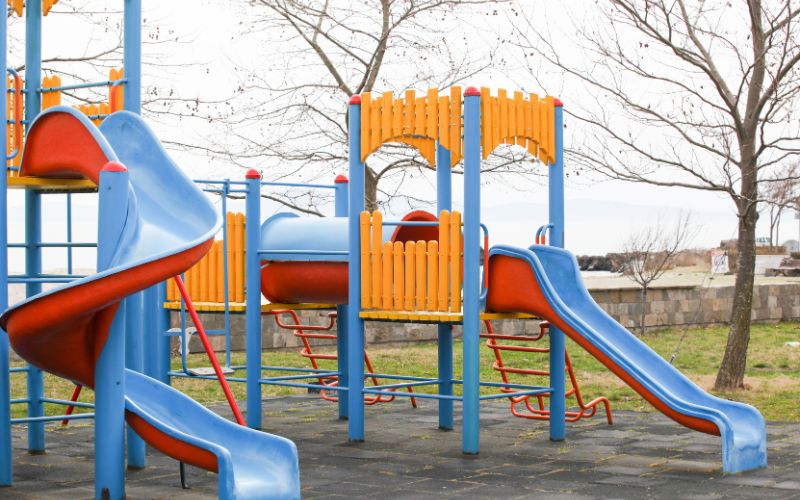
Sustainable urban parks are becoming increasingly popular among city planners who want an alternative to traditional concrete landscapes. This green infrastructure can offer many benefits to municipalities, including increased community interaction and profound environmental benefits. Sustainable urban parks feature resilient design to ensure residents can enjoy nature safely and help your city reduce its long-term ecological footprint.
This sustainable urban park guide will explain everything you need to know about adding this vital green space to your city. Learn more about the features, the benefits a sustainable park can offer your metropolitan location, and how to properly develop this recreational environmental area.
What Is a Sustainable Urban Park?
A sustainable urban park, also known as an eco-park, is a recreational area that integrates ecological principles with community needs. This space provides a rich natural experience and facilitates outdoor recreation for residents while actively working to restore the local environment. When planning an eco-friendly urban space, our comprehensive sustainable urban parks incorporate the following features:
- Green infrastructure elements like rain gardens and bioswales
- Renewable energy sources such as solar-powered lighting
- Native, drought-resistant plants that require minimal watering
- Inclusive design elements accessible for all abilities and ages
- Available community gardens, walking trails, and eco-education stations
- Recommended pathways built from permeable, recycled materials
- Natural play elements intended to blend seamlessly into the environment
- Spaces designed specifically for community interaction and recreation
Compared with traditional, heavily paved parks, a sustainable urban park is a more environmentally conscious and economical option that still offers tremendous recreational fun. If you want to incorporate a sustainable urban park or a turnkey eco-system at your municipal location, turn to dedicated green infrastructure professionals. Our eco-friendly park frameworks can attract families to your neighborhood and help you grow your community’s overall well-being.
Benefits of Sustainable Urban Parks
Lush and engaging green spaces can fit your municipal budget, design preferences, and spatial requirements. Consider a sustainable urban park if you want to add the following benefits to your city:
- Encourage community engagement: With a sustainable park, you can offer your residents an outdoor environment that facilitates interaction. Neighbors can gather in community gardens, play games on natural lawns, and wait in anticipation of community events hosted in open green spaces. Sustainable parks also enable interaction among diverse demographics, benefiting the whole community.
- Offer versatility: Multiple ecological zones make sustainable parks appealing to all ages and interests.
- Provide accessibility: A well-designed, sustainable park is accessible to people of all physical abilities, so every resident can safely enjoy the natural environment.
- Mitigate urban heat: With a sustainable urban park, you can cool a formal or urban space by providing extensive tree canopies and reducing asphalt. A green park can lower surrounding temperatures and serve as a refreshing place to gather in your local community during hot summers.
- Improve air quality: Plant a diverse array of native trees and shrubs to improve local air quality. These natural elements act as air purifiers, absorbing pollutants and providing fresh oxygen for the surrounding neighborhoods.
- Enjoy stormwater management: Locating your sustainable park near urban runoff zones can make your city’s infrastructure more efficient by using bioswales and rain gardens to absorb heavy rainfall and prevent municipal flooding.
- Support mental and physical health: Throughout the year, a sustainable park can provide a calming recreational activity to keep residents active and prevent mental fatigue associated with dense urban living.
- Tie in your local culture: Enhance your city’s cultural identity by collaborating with local artists and historians to select culturally relevant, themed elements for your sustainable park spaces.
- Generate tourism and interest: With a beautifully designed ecological space, a city can host rotating botanical exhibits or seasonal farmers’ markets. Doing so can renew interest in the location and encourage visitors to come back. You can also stand out from neighboring cities, drawing more eco-tourists to your location.
- Enjoy ecological durability: We use native plants and the highest-quality recycled materials to build our park infrastructure, ensuring our community components withstand harsh weather and years of constant use.
- Increase property values: By developing a sustainable park, your local government can boost nearby property values and attract economic investment by giving businesses and families a reason to relocate to your vibrant area.
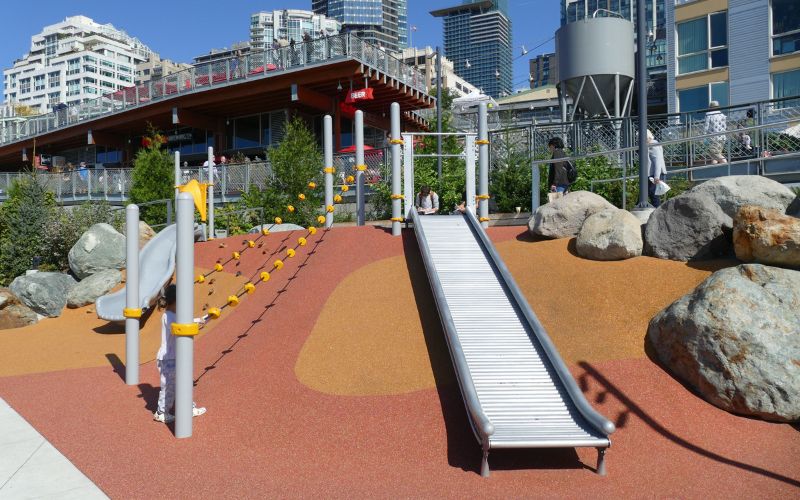
- Choose from various design options: We offer a range of sustainable park designs. Park surface colors and landscape elements come in a wide range of textures, shapes, and sizes, enabling countless ecological and design possibilities. With so many options available, you can incorporate elements from your local ecology or create a new, unique area that stands out.
With all the advantages a sustainable urban park can offer, it’s no surprise that more cities are becoming interested in developing these vibrant ecological spaces.
Cost Considerations for Sustainable Urban Parks
Your municipality can also enjoy the following cost benefits by investing in a sustainable urban park.
Construction
Compared to a traditional concrete-heavy plaza, the initial construction cost of a sustainable park can be significantly reduced. Additionally, a sustainable park doesn’t need many of the heavy drainage pipes and artificial cooling systems that are required in heavily paved areas. Because sustainable parks utilize natural topography and modular, scalable designs, your urban planning won’t be unnecessarily delayed, offering another significant cost benefit.
Maintenance
After your sustainable park is built, maintenance costs are significantly lower than those associated with traditional high-maintenance lawns and artificial structures. Landscape operating costs are also much lower, especially in a native-plant system that doesn’t use any synthetic fertilizers, intensive mowing, or chemical pesticides.
If you do use a park design with advanced water-filtration swales, you may need to clear them regularly, especially if heavy storms track dirt, branches, or other debris onto the drainage surface. If you have multiple bioswales, you can set a schedule that alternates between the areas maintained and those cleared.
Operations
The operational costs for a sustainable urban park are significantly lower than the operational costs you’d pay for a traditional recreation center. If you leverage community partnerships and volunteer programs, then you may not need expensive municipal upkeep personnel. Environmental risks are generally lower and don’t require you to hire intensive landscape repair crews, as well.
Your costs will vary depending on the type of ecological system you choose. You can choose from the two main types of sustainability systems – passive and active:
- Passive sustainable systems: A passive system uses rainwater and direct sunlight, draining water into native plant beds, so intensive mechanical monitoring isn’t needed; the greatest benefit of this system is its self-sufficiency. In some systems, the natural environment manages itself entirely.
- Active sustainable systems: Active systems, on the other hand, collect solar energy in batteries and use smart irrigation sensors to pump rainwater back to the plants during droughts. An active system requires scheduled technical monitoring and equipment adjustments. Though this system maximizes efficiency, monitoring the technology incurs a cost.
Considerations Before Developing a Sustainable Urban Park
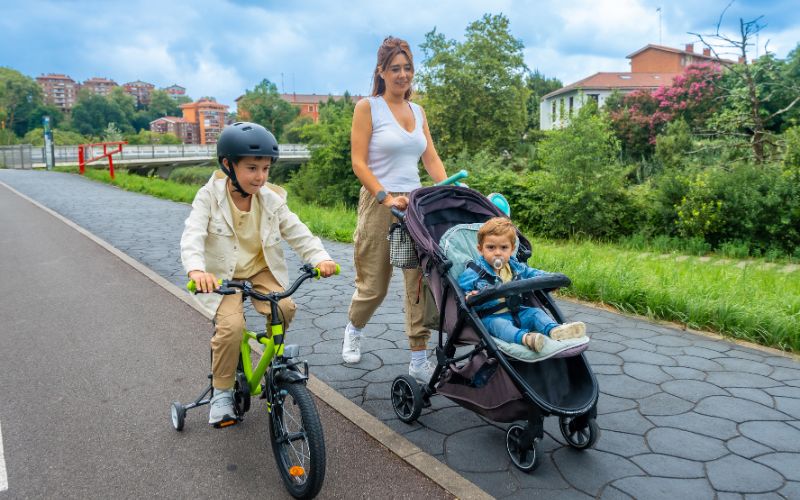
If you want to develop a sustainable urban park, there are a few considerations to keep in mind beforehand.
Size and Layout
One of the first things you should consider before moving forward with development is assessing the available space and what shape you want your sustainable park to be. When planning, we can customize our eco-designs to your community’s needs, so your sustainable park can be any size and shape you want. Just let us know what your vision is for your green project, and landscape architects will make it happen!
Safety Features
The sustainable parks we design use non-toxic materials, giving kids and adults in your community a safe environment to play with little to no risk of chemical exposure. We offer several natural surfacing options in addition to standard concrete paving. Included in our eco-friendly surface options are the following:
- Recycled rubber mixed with natural resin is used on the pathways
- Permeable aggregate particles added to your park’s walking trails
- A natural mulch surface placed in play zones that provides a flexible, seamless surface
The natural, non-slip surfaces will prioritize safety. Each of these surfaces is visually appealing and will attract residents of all ages to the outdoor area. When you select one of our eco-surface options, we will ensure public safety so communities keep coming back for more.
Water and Energy Efficiency
Your sustainable park should have rainwater harvesting systems and solar-powered lighting to maximize environmental efficiency. To ensure your system is working effectively and the energy is being utilized properly, check the smart meters regularly while the park is operating.
A major concern for city planners considering a sustainable urban park is the impact the park will have on the municipal utility bill. You can expect an initial investment to set up the solar and water systems. Fortunately, your system will likely not require much municipal water or grid electricity after the initial installation. You may also want to consider the positive effect the system will have on reducing storm drain usage. In most cases, this monthly operational cost is low and incredibly affordable.
Seasonal Maintenance
When fall comes to an end, your native plant beds should be prepped for dormancy. This ensures the flora won’t die during the harsh winter. The process for winterizing your eco-park is similar to that for any natural landscape. All you need is a dedicated team to complete the short task of protecting sensitive areas and ensuring your sustainable park will be ready when the warmer seasons come around again.
You may also need to drain dedicated rain barrels and cap them shut, turn off the smart irrigation that feeds the holding tanks, and power down specific electronic eco-displays. Your green equipment will also include specific instructions for winterizing your system. When you’re ready to fully reopen your park in spring, you’ll simply reverse the process. When opening your system, inspect and perform any necessary maintenance on pathways and ecological equipment.
Additionally, you may want to consider where your solar batteries and water pumps will be located, such as buried underground or housed in an equipment room. This is essential to consider so you know from where you will maintain and repair your ecosystem.
Funding and Financing
How much your sustainable park will cost depends on the specifics of your project. Many municipal leaders are concerned about the upfront cost of green infrastructure, which is why numerous grants and public-private partnerships are available, allowing you to build now and manage your budget effectively.
Financing shouldn’t stand in the way of getting you the sustainable urban park your city needs. As such, you can seek special environmental grants in the U.S. through federal environmental protection programs and local eco-funds. Along with grant options, efficient planning offers competitive long-term pricing so you can enjoy the benefits of a sustainable park in your community today. When you choose creative funding solutions, you can:
- Update an older, paved recreational area
- Get your green infrastructure built as soon as possible
- Improve municipal cash flow when you utilize grant matching
- Enjoy civic advantages as your community investments generate goodwill
- Purchase the exact eco-friendly materials you want with affordable community backing, including high-quality native plants and safer play features
You may also be able to fund your sustainable park via a municipal bond or community fundraising. But working with experienced green developers will allow you to conveniently plan and finance your eco-area from reliable sources. If you are interested in comprehensive grant assistance, experts can guide you through each step and provide the support you need.
How to Develop a Sustainable Urban Park
When a sustainable urban park is properly designed and installed, you will save money and time on operational costs and long-term maintenance. Your city will also have the flexibility to upgrade or expand your green infrastructure when you choose. If you want a sustainable park developed in your community, follow the steps below.
1. Analyze Your Site
Your first step is to perform an environmental analysis of your site and ensure the design complies with best ecological practices and local zoning codes. A sustainable project landscape architect can handle the pre-planning, scheduling, resource forecasting, and any other environmental evaluations needed for your green park. You can also give your project manager the reins to handle communications with your urban planners, ecologists, and park contractors.
With an experienced green project manager on your side, you can ensure the development of your sustainable park stays on schedule and is finished according to plan.
2. Evaluate the Feasibility of the Project
After you complete the groundwork for your eco-park project, you can evaluate the green space’s relevant factors that could impact its success. Make the following considerations:
- What you should expect for stormwater absorption rates
- Where your park’s renewable energy supply will be placed
- What is your total budget for the project, including long-term maintenance and installation
- The type of ecological management system you need and what the best solution will be for your landscape
3. Obtain Input From Stakeholders
Next, you may want to collect feedback from local residents and organizations to determine how well your plans for a sustainable park align with your community’s wants, needs, and priorities. How successful your green space will be depends on this community feedback. By doing the research ahead of time, you can say goodbye to guesswork and be confident in moving forward with your environmental project.
When gathering feedback from the community and stakeholders, consider the following:
- Whether you want to consider specific historical or cultural elements
- Whether you want to consider implementing quiet nature zones
- What impact will the green space have on the surrounding local businesses
- Whether your park will be targeted to specific community health initiatives
- Whether you will be incorporating a local school partnership into your park area
- What the community wants in a park, such as accessible walking paths or a zero-waste picnic area
4. Prepare Designs of Your Green Project
To develop a visual representation of your sustainable park’s required components, prepare detailed plans and layouts of your project. These drawings should illustrate your park’s overall layout, the placement of each green feature, the planting radius, the bio-swale schematics, and the sunlight access for every solar feature.
The details in your project drawings will help you streamline the planning, development, and planting processes and reduce risks associated with implementing your sustainable park. An ecologist or landscape architect can ensure that the specs for your park meet environmental requirements and considerations, such as sloping the terrain toward rain gardens and accounting for plant growth over time.
5. Acquire Approvals and Permits
To ensure you understand the environmental codes and regulations for implementing a sustainable urban park, you should consult the local environmental and zoning authorities. When you apply for permits, engaging with the local planning department will save you time and money and shorten the approval process.
You should also identify the necessary state and city land-use permits that will be needed for your park’s construction phase. There are likely parameters set for a public park’s soil quality and water runoff. If so, it’s essential that your environmental impact readings stay within the required regulatory range. Soil systems can shift, and water flows can change, so these should be evaluated regularly by professionals.
6. Hire Professionals for the Manufacturing and Construction Process
One of the final steps of the process is actual landscaping and construction. After you have planned and analyzed all the matters related to your green space project, you can hire experienced contractors to break ground on your sustainable recreation area. They will handle everything from laying the permeable pathways to planting the native flora.
Trained professional landscapers can install the ecological systems quickly, so you can get to opening day soon and enjoy the latest green addition to your municipality. Speak with community planning representatives to learn more about the grant solutions you can leverage and the green construction process.
7. Celebrate Opening Day
You’ve reached opening day! During this final step of the process, you can host a community event to launch the new sustainable park for neighborhood members and residents of all ages. Expect a big turnout — everyone will be curious about how your green space turned out and the natural beauty it can offer. At this point, you can sit back and watch your environmental project be a blast for families and nature-lovers alike for years to come.
Advocate for Sustainable Urban Parks in Your Community
By investing in green infrastructure, we provide vital natural resources to community centers, historic districts, residential neighborhoods, urban plazas, health and wellness hubs, municipal hubs, and more, helping attract residents and keep them engaged with nature again and again. With years of modern ecological experience, environmental planners know how to design spaces that work for the planet, residents, and local ecosystems.
Cities can customize these green products to all budgets, available urban space, and community demographics. Ready to add a sustainable urban park to your city’s landscape? Begin advocating for green infrastructure today, or contact local environmental planners for more information.