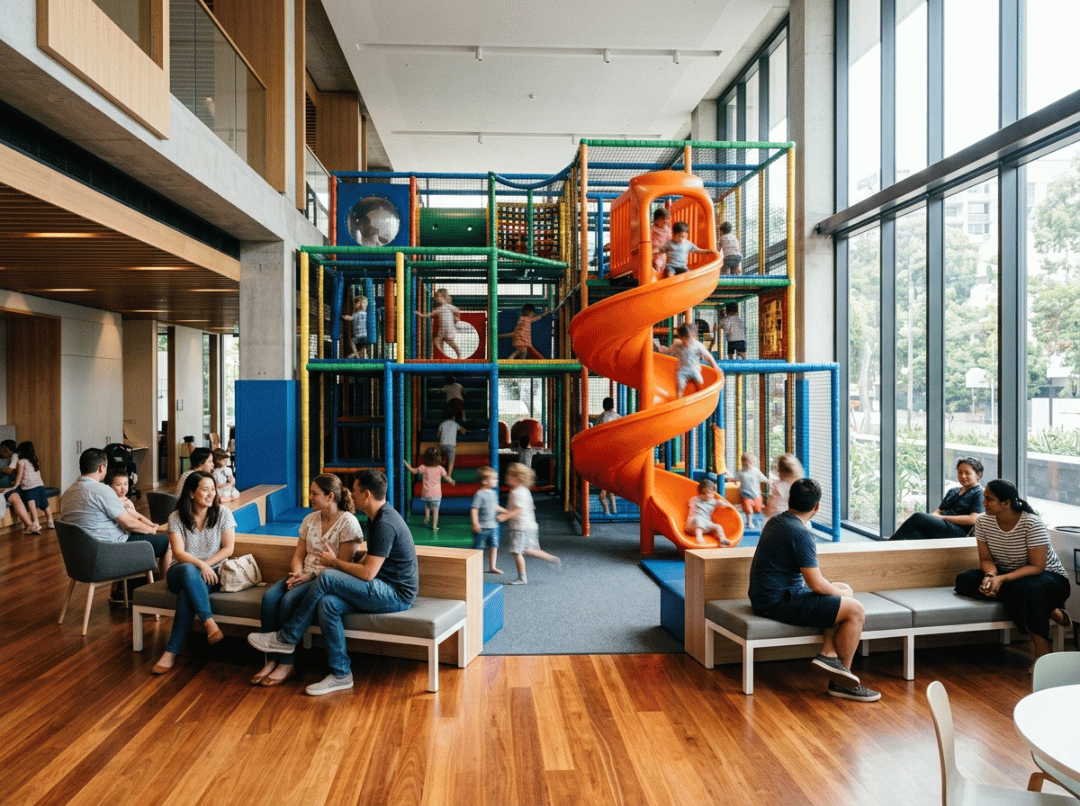
Ask ten suppliers what an indoor playground costs and you’ll get ten different answers, ranging from about $30,000 to well past $1,000,000. That spread isn’t sloppy pricing. It’s a sign the question is missing a piece. What you actually want to know is what your playground costs, and that lands almost entirely on the type of project you’re building.
Here’s the shape of it in 2026. A small toddler soft play runs roughly $30,000 to $100,000. A neighborhood indoor playground sits around $80,000 to $200,000. A mall play area usually falls between $50,000 and $250,000, mostly a matter of footprint. A family entertainment center (FEC) starts near $250,000 and clears $600,000 without much effort. A large destination park? Plan on $700,000 just to open, with the ceiling well past $1.5 million once high-capacity attractions and build-out are in the mix.
This guide is for investors, mall operators, and entrepreneurs who want a realistic budget in hand before the first supplier call. It won’t try to sell you equipment. The goal is to show you what genuinely moves the cost, which line items first-timers misjudge again and again, and how to build a budget that fits your project rather than someone else’s.
You’ll get four things: a breakdown of cost by project type, a category-by-category map of where the money goes, the hidden costs that quietly sink budgets, and three sample budgets you can adapt. Read every number as a planning reference, not a quote. Your final figure comes down to spec, region, and how far you push customization.
What Type of Indoor Playground Are You Planning?
Project type shapes your budget more than size, location, or anything else. Two 300-square-meter spaces can sit hundreds of thousands of dollars apart because one is a supervised toddler zone and the other is a ticketed entertainment center. The classic error is borrowing the cost logic of one type and stapling it onto a completely different project. Before you open a spreadsheet, figure out which of these five is actually yours.
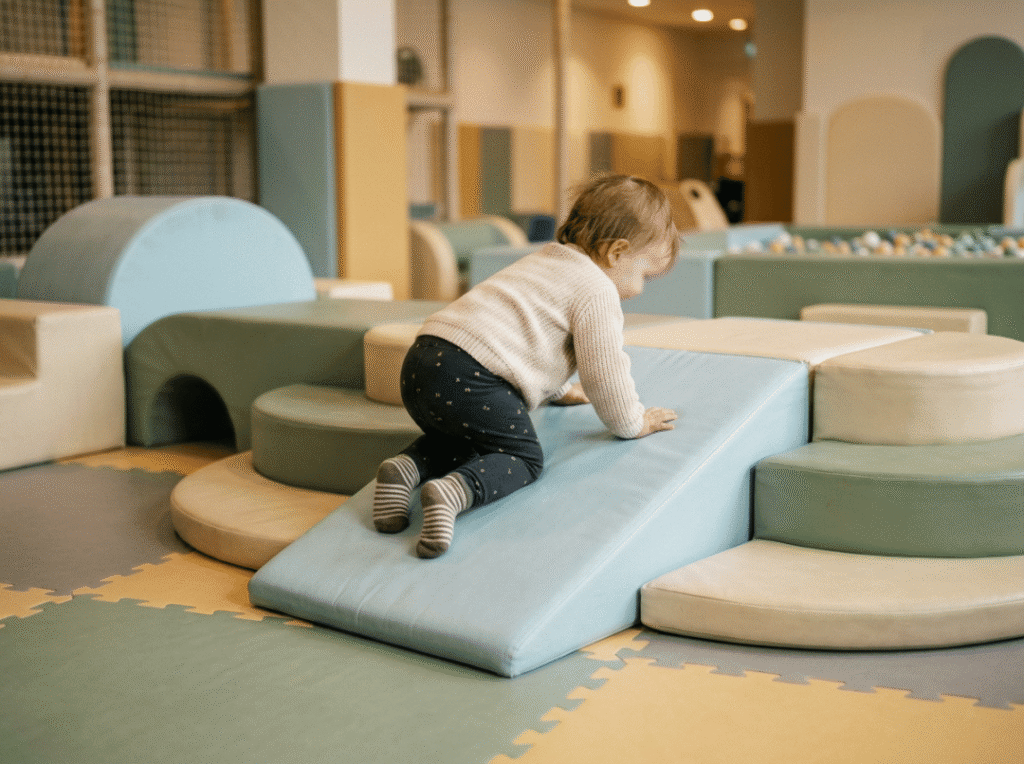
Small indoor soft play (toddler-focused)
This is where most first-time operators start, and it’s the model I’d steer a cautious newcomer toward. Footprints stay under 150 square meters, and the audience is children under six. Equipment and safety flooring swallow most of the budget because there’s little else to spend on. Revenue leans on repeat local visits, memberships, and a small café rather than ticket prices.
Where owners get burned: they treat it like a miniature FEC and overbuild. A toddler doesn’t need a four-story structure. Spend on soft, well-made basics and generous flooring, and you’ll open leaner and recover faster.
Neighborhood indoor playground
A step up in scale and age range, usually 150 to 400 square meters serving toddlers through pre-teens. Spending spreads more evenly across equipment, fit-out, and a slightly bigger staff. These sites split the difference between affordability and broad appeal, which makes them the practical middle choice for operators who want more than a toddler room but aren’t ready for the staffing and complexity of an FEC.
The budget trap here is age creep. Owners try to serve everyone from crawlers to twelve-year-olds and end up with a space that half-satisfies each group. Pick a primary age band, build for it well, and add a secondary zone only if the footprint genuinely allows.
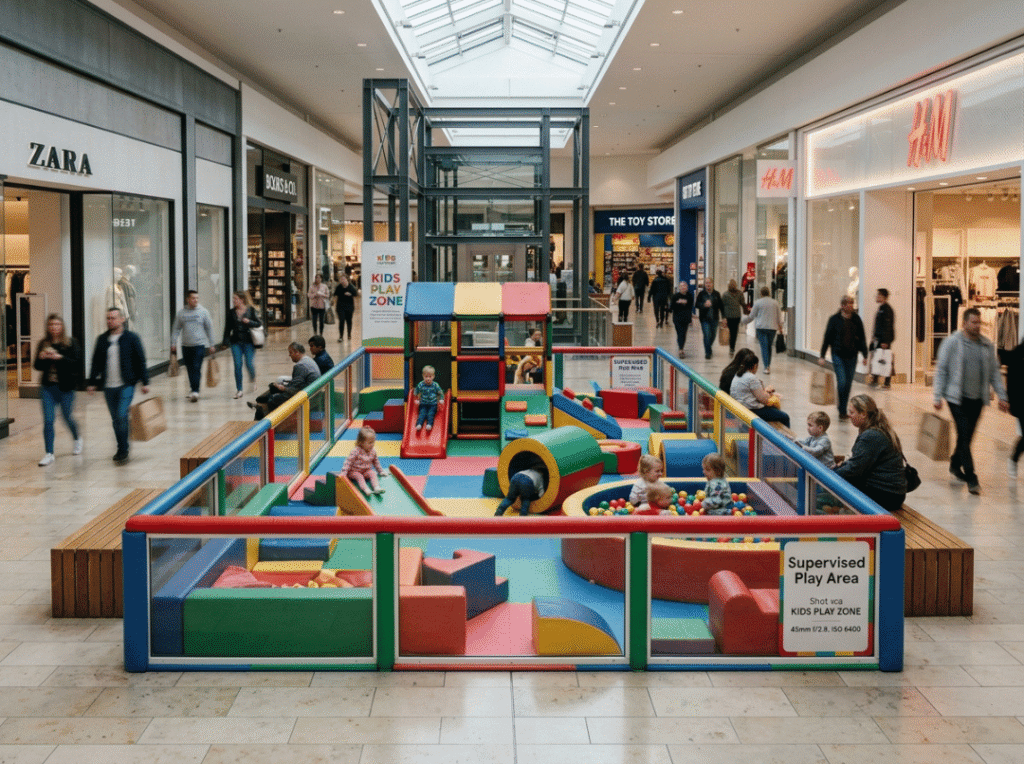
Mall indoor play area
Drop a playground into a shared retail space and the rules change. Supervision is often light, every square meter is precious, and the design has to sit comfortably next to storefronts. You’re paying for space efficiency and durability far more than for a big equipment count.
Budgets swing hard based on the spot. A compact atrium feature and a large enclosed unit beside an anchor tenant are different projects with different price tags. And a mall’s foot traffic can chew through padding and panels faster than a standalone site, so cheap components that look fine on day one start looking tired by month three. Durability isn’t a luxury here; it’s what keeps the space presentable in a premium retail setting.
Family entertainment center (FEC)
Now you’re in a different business. FECs are larger, usually ticketed, and staff-heavy. Trampolines, party rooms, arcade zones, and a spread of attractions drive both capital cost and daily complexity up sharply. The payoff is stronger revenue per visit through parties, group bookings, and events.
Two things catch new FEC operators off guard: staffing and party logistics. A trampoline zone needs constant trained supervision, and party rooms only pay off if your booking flow, cleaning turnaround, and food handling are dialed in. The equipment is the easy part. The operation is where FECs live or die.
Large destination or adventure park
The top tier, generally 1,000-plus square meters built around high-capacity attractions like climbing walls, ropes courses, and multi-level structures. These are landmark venues meant to pull visitors from across a region. Capital outlay is steep, construction runs long, and payback stretches out. This tier belongs to experienced operators with the capital and the patience to match, not to someone opening their first site.
Indoor Playground Cost Breakdown by Category
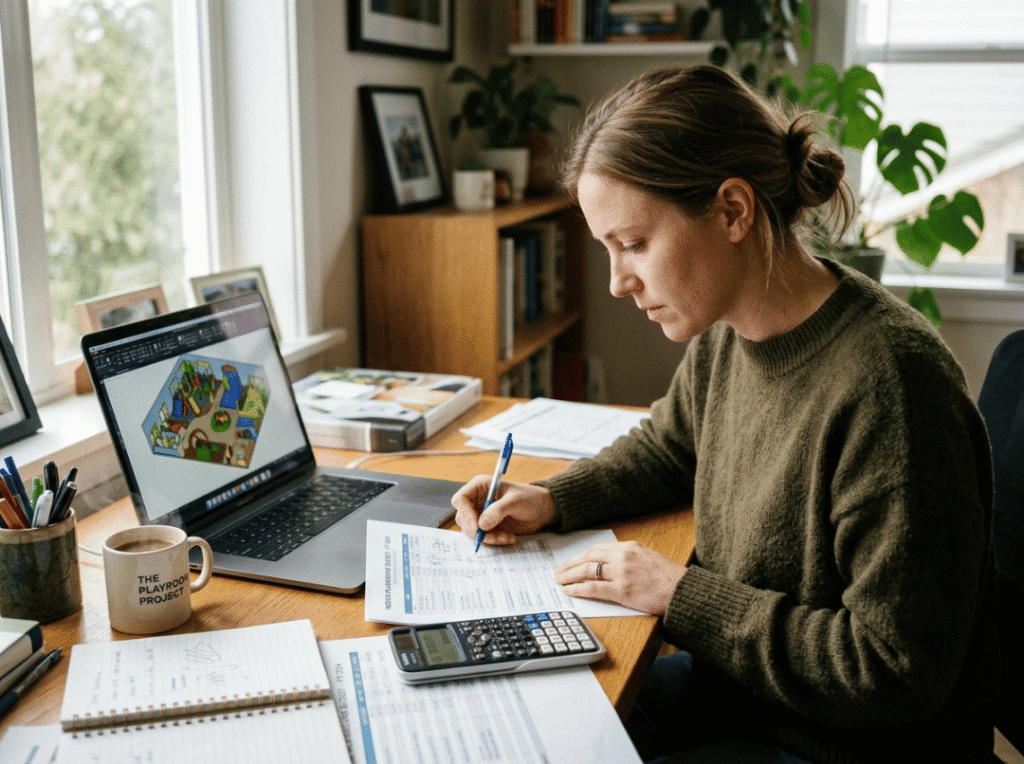
Once you’ve pinned down your project type, the next question is where the money actually goes. Most cost guides name these buckets and keep moving. The buckets people skim past are usually the ones that blow up the budget, so let’s open each one.
Play equipment
Equipment is almost always the single largest line item, often 40 to 60 percent of your capital budget. It covers the main structure, slides, ball pits, climbers, and interactive panels. Custom theming and premium materials push the figure up, but they also last longer and photograph better, and in this business a space that photographs well markets itself.
The most expensive structure isn’t automatically the best investment. In a tight footprint, circulation and sightlines usually matter more than one oversized centerpiece, and a hero piece that crowds the room actively hurts play value. Meanwhile, the quiet regret is going cheap on components that wear through and need replacing inside a year or two. Browse the indoor playground equipment range to see the options, but the right pick always circles back to your footprint and your audience.
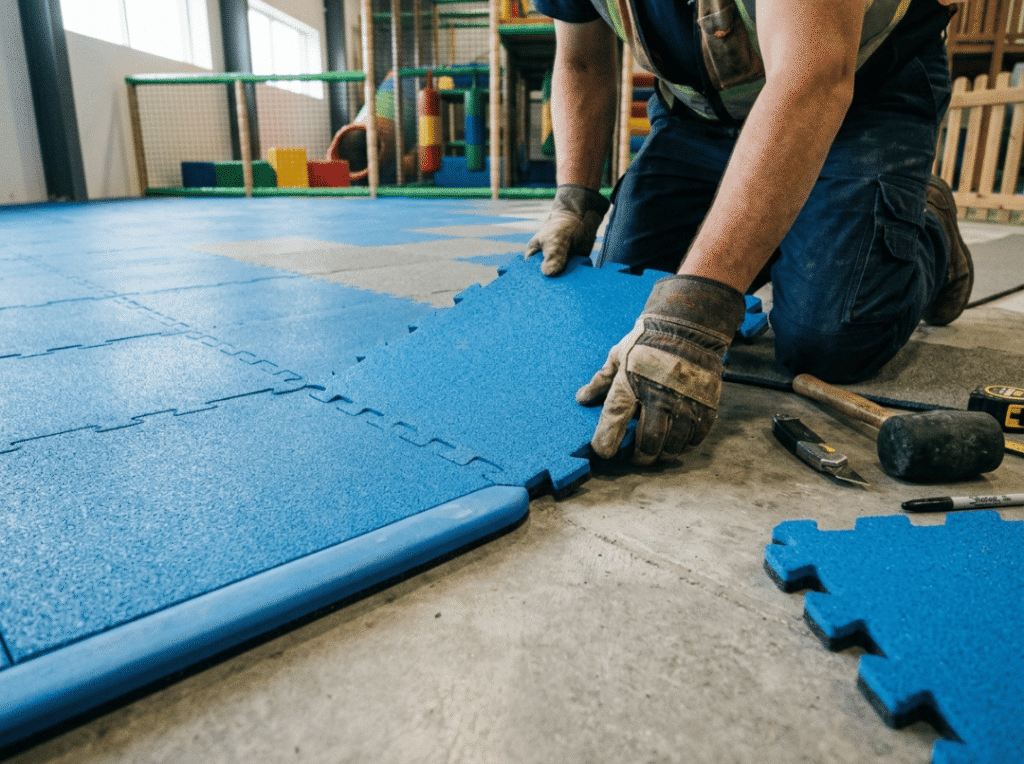
Safety flooring and surfacing
Impact-absorbing surfacing isn’t optional, and its price tracks the fall height of your tallest structure. Taller equipment means thicker, more protective flooring. This is the one line item you never shave to hit a number. Cheap surfacing fails inspections, wears fast under constant traffic, and drags your injury and liability exposure up with it. Budget it as a safety necessity, not a finish.
Fit-out and site preparation
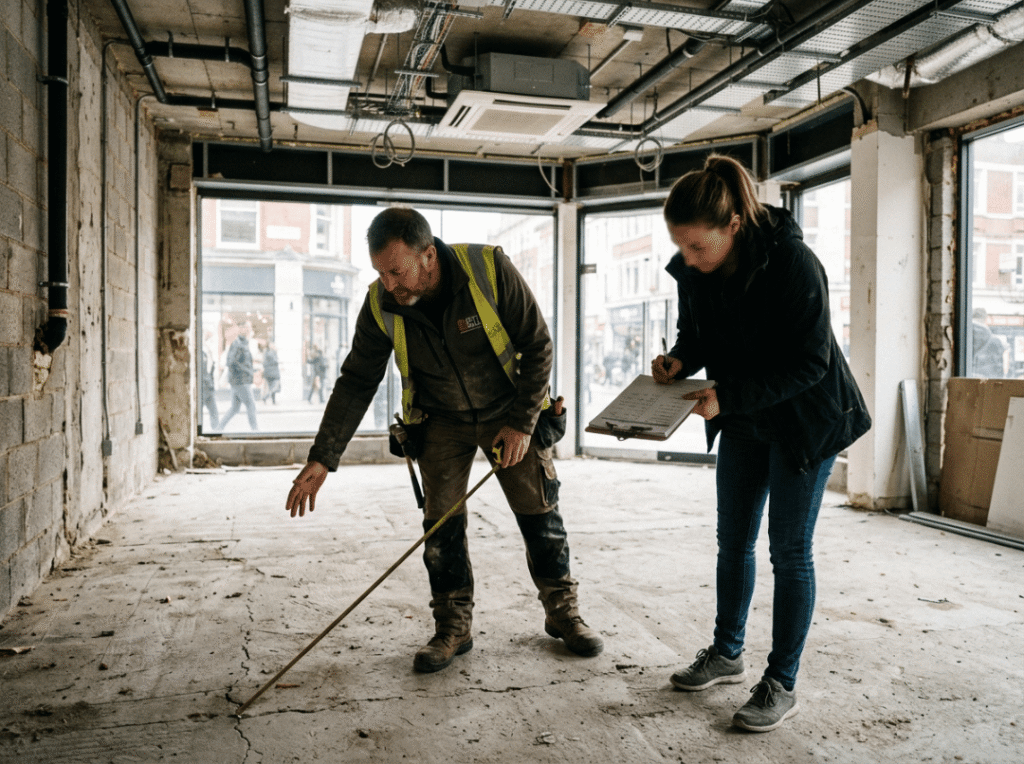
Renovation, partitions, restroom upgrades, finishes. The wild card is the state of the space you lease, and it’s the single biggest reason budgets go sideways before equipment even arrives.
Picture two units at the same rent. One is a second-generation retail space with working restrooms, usable HVAC, and a level floor. The other is a bare shell that needs plumbing run, walls built, and a floor leveled. The “cheap” shell can cost you tens of thousands more once the contractor prices it out, and that bill lands before a single slide goes in. Walk any space with a contractor before you sign, because the lease that looks like a bargain often hides the most brutal fit-out of the lot.
HVAC and climate control
HVAC is one of the least visible costs in the budget and one of the most dangerous to ignore. An enclosed, high-traffic play space heats up and turns stuffy fast, so ventilation and air circulation are essentials, not extras.
First-timers assume the building’s existing system will cope, then discover mid-build that a unit sized for a quiet retail shop can’t handle a room full of running children on a Saturday. Retrofitting after the fact costs more and delays your opening. In plenty of regions, adequate ventilation is also a licensing requirement, so price it early rather than meeting it as a surprise.
Fire safety and code compliance
Fire systems, clear egress routes, and inspections gate both your opening date and your operating license. You can’t open until you pass, which means every delay here costs you rent with no revenue coming back. Bring a code consultant in before you lock the layout. A late-stage compliance failure is one of the most expensive and demoralizing setbacks in the whole project, and it’s almost always avoidable with an early conversation.
Freight and import duties
Source overseas and shipping plus duties can add a real chunk to your landed cost. Learn the difference between FOB and CIF pricing so you know exactly what a quote does and doesn’t include. Heavy steel-frame systems cost far more to ship than lightweight foam structures, so the material you choose shows up in freight as well as the base price. Duties and local taxes vary by country, so confirm them before you commit a cent.
Professional installation
Labor and assembly scale with complexity. A single-level soft play goes in quickly; a multi-level structure with custom features takes longer and costs more. Cutting corners here to save a little is a false economy, since bad assembly creates safety risks and can void your warranty outright. Confirm upfront whether installation sits inside your equipment quote or gets billed on top, because that one line can swing a comparison between two suppliers.
Staffing for the first 3–6 months
You’ll be paying wages well before the business breaks even, so carry three to six months of staff costs in your opening budget. How many people you need hinges on your layout. A compact toddler room with clean sightlines can often run leaner than a multi-attraction site riddled with blind corners, even when the two look similar on paper. Design decisions you make now set your labor bill for years, not just the launch.
Pre-opening marketing and branding
The launch campaign punches above its weight in the race to profitability. Signage, theming, a website, and local advertising all live here. A strong opening pulls families in from week one; a weak one leaves you covering rent and payroll while you wait for word to spread. It’s a small slice of total spend with an outsized grip on how fast you pay back.
Indoor Playground Cost by Size
Size gives you a rough anchor once you know your project type. The table below breaks it out by square-meter band so you can place yourself fast. These figures reflect equipment-focused investment and leave out rent and major fit-out, both of which swing hard by location and site condition.
|
Size band |
Typical project type |
Estimated equipment investment |
What dominates the budget |
|---|---|---|---|
|
Under 100 sqm |
Small toddler soft play |
$30,000 – $70,000 |
Equipment and safety flooring |
|
100–200 sqm |
Soft play / small neighborhood playground |
$60,000 – $120,000 |
Equipment, flooring, basic fit-out |
|
200–500 sqm |
Neighborhood playground / mall play area |
$100,000 – $250,000 |
Equipment mix and fit-out |
|
500–1,000 sqm |
Family entertainment center |
$250,000 – $550,000 |
Multiple attractions, staffing, party rooms |
|
1,000+ sqm |
Destination / adventure park |
$550,000 – $1.5M+ |
High-capacity attractions and build-out |
Read this as a starting point, not a quote. Material quality, customization depth, regional labor rates, and local safety codes all nudge the final number. If you want to tie footprint to equipment sizing more precisely, the indoor soft playground size and height guide helps you match play value to available space before you settle on a band.
What Affects Indoor Playground Cost the Most?
Two projects of identical size can land miles apart on price. The levers below explain why, and where you actually have room to steer the number.
Size and ceiling height
Footprint is the obvious driver. Ceiling height is the quiet one. Generous clearance lets you build vertically with multi-level structures, which lifts play value per square meter and helps justify expensive rent. Low clearance caps your ambitions and pushes you toward simpler, cheaper equipment. Measure the true usable height, below sprinklers, ducts, and lighting, before you plan a thing.
Customization and theming
Standard equipment is cheaper and faster off the line. Full customization costs more but hands you a space nobody can copy. Theming earns its keep when you’re competing on experience or aligning with a strong brand, and matters far less for a budget-focused neighborhood site trying to open lean. Fold custom elements into the brief early, because custom playground equipment is hard to bolt on cheaply once the design is locked.
Material quality and certification
ASTM- and EN-certified components cost more upfront and pay you back through lower maintenance, insurance, and liability over the years. Certified, durable gear takes years of heavy use in stride. Cheap components fail early and force closures that cost you revenue the day they happen. Think of certification as buying uptime, not paying a premium.
Country, shipping, and duties
Where you source reshapes your landed cost more than most buyers expect. A tempting factory price can evaporate once freight, duties, and taxes pile on. Compare quotes on a landed-cost basis, not the sticker figure, so you’re weighing like against like.
Target age group and supervision model
A toddler-heavy concept calls for different, generally cheaper equipment than a mixed-age site loaded with challenge features. Your supervision model counts too: a layout built for easy oversight needs fewer staff, which shaves your single biggest ongoing cost. Decide who you’re serving before you decide what to buy.
Hidden and Underestimated Costs
Everyone budgets for the equipment quote. First-time buyers fixate on it because it feels tangible, something you can point at. The real budget risk sits somewhere less obvious, in infrastructure, downtime, and the reserve you didn’t set aside. The costs below ambush new operators, and together they often decide whether the project holds its line.
- Rent deposits and lease build-out obligations. Landlords routinely want several months upfront, and some leases make you responsible for restoring or improving the space. Read the build-out clauses closely before you sign.
- Insurance premiums. Public liability cover is non-negotiable for a children’s venue. The upside: certified equipment and documented safety procedures can meaningfully lower your premium, so certification pays you back a second time here.
- Maintenance reserve and replacement parts. Set aside 1 to 5 percent of revenue a year for upkeep. Downtime from a broken structure isn’t just a repair bill; it’s lost revenue and sour reviews while the area sits roped off on your busiest day.
- Staff training and turnover. Supervision, safety, and customer service all need training, and hospitality-style roles churn often. Budget to onboard more than once a year.
- Utilities under heavy daily use. Lighting, HVAC, and cleaning for a busy indoor space cost more than a first-timer pictures, especially in extreme climates where climate control never really switches off.
- Permits, licenses, and re-inspections. Past the initial permits, a failed inspection means paying to fix the issue and paying again to re-inspect, all while your opening date slides and the rent clock keeps running.
The takeaway is blunt: the total budget, not the equipment price, is what makes or breaks an indoor playground. Plan for the whole picture from day one.
Common Indoor Playground Budgeting Mistakes
Even seasoned operators trip over the same things. Watch for these.
Applying FEC-scale logic to a soft-play budget, or the reverse. This is the mistake underneath most of the others. Someone opening a 120-square-meter toddler room prices in party rooms and trained attendants they’ll never need, or someone building an FEC assumes light supervision will do. Mixing project-type assumptions gives you a budget that fits neither.
Overspending on theming too early while starving the infrastructure, HVAC, or compliance you literally can’t open without. A stunning themed entrance means nothing if you fail your ventilation inspection.
Underbudgeting fit-out and site prep, then learning the “cheap” shell needs expensive plumbing, wiring, and ventilation before you can build anything on top of it.
Buying oversized equipment for a tight footprint, which crowds the room, creates safety issues, and burns money on a piece that makes the space worse, not better.
Cutting safety flooring to save a few dollars, which fails inspections and lifts your liability. Never the place to economize.
Skipping a maintenance and replacement reserve, so the first major breakdown turns into an unplanned capital shock instead of a line item you already covered.
Assuming labor costs hold flat after opening, when wages, turnover, and peak-time staffing all creep up over time.
Sample Indoor Playground Budget Breakdowns
Percentages travel better than fixed prices, since regional and spec differences distort absolute numbers fast. Use these illustrative splits to sanity-check where your own budget clusters. They’re structures to plan against, not quotes.
Example 1: Small toddler soft play (~120 sqm)
Equipment dominates here, because the space is simple and the audience is young.
- Play equipment: 45%
- Safety flooring: 15%
- Fit-out and site prep: 12%
- Installation: 8%
- Freight and duties: 8%
- Pre-opening marketing: 5%
- Operating reserve (3–6 months): 7%
Example 2: Mid-sized family indoor playground (~350 sqm)
As the age range widens and party rooms enter the mix, spend spreads out and the staffing reserve grows.
- Play equipment: 40%
- Safety flooring: 12%
- Fit-out and site prep: 15%
- Installation: 8%
- Freight and duties: 7%
- Pre-opening marketing: 8%
- Operating reserve (3–6 months): 10%
Example 3: Larger mixed-attraction play center (~800 sqm)
At scale, operations and reserves carry more weight, and no single piece of equipment dominates the way it does in a small room.
- Play equipment and attractions: 38%
- Safety flooring: 10%
- Fit-out and site prep: 16%
- Installation: 9%
- Freight and duties: 7%
- Pre-opening marketing: 8%
- Operating reserve (3–6 months): 12%
Watch the pattern. As projects grow, equipment’s share shrinks while fit-out, marketing, and reserves claim a bigger slice. Plan around that shift instead of assuming equipment is the whole story.
How to Budget for a Faster Return on Investment
Cost only tells half the story. The other half is which spending actually earns its way back. Steer your budget toward whatever lengthens visits and brings families in again, because dwell time and repeat business drive revenue far more than raw equipment count.
Fund safety and core play value first, then layer on theming and extras once the essentials are covered. A space that’s safe, well-spaced, and genuinely fun for its target age earns loyalty. A space that blew its budget on a flashy theme but skimped on flooring or ventilation struggles to hold anyone past the first visit.
Layout drives your biggest ongoing cost, too. A design with clean sightlines lets fewer staff supervise more children, trimming labor for as long as the doors stay open. And features built for parties and group bookings, a dedicated party room chief among them, often pay back fastest, because they sell time slots at a premium and turn a quiet Tuesday into booked revenue.
Most well-run indoor playgrounds recover their investment inside 12 to 24 months, though the range is genuinely wide. Location, pricing, staffing efficiency, and how snugly your concept fits the local audience all push that timeline one way or the other.
Frequently Asked Questions
How much does an indoor playground cost per square meter?
As a planning range, figure roughly $250 to $500 per square meter for equipment and core installation. Simple toddler setups can come in under that; heavily themed or multi-level builds run above it. The main variables are equipment complexity, material quality, and how far you customize.
How much does it cost to open a small indoor playground?
A small toddler-focused soft play usually runs $30,000 to $100,000. Equipment and safety flooring take the biggest share, since the space itself is straightforward. Fit-out and pre-opening costs make up most of the rest.
What is usually more expensive: equipment or fit-out?
Play equipment leads on most projects, often 40 to 60 percent of the capital budget. On a rough or unfinished site, though, fit-out and site prep can overtake it fast, so price the condition of your space before you assume equipment is the biggest number.
What costs are most often missed in an indoor playground budget?
HVAC and ventilation, fire safety and compliance, insurance premiums, a maintenance reserve, utilities under heavy use, and permit re-inspections. Rent deposits and lease build-out obligations catch plenty of first-time operators off guard as well.
Is it cheaper to buy equipment from a manufacturer or a reseller?
Buying directly from a manufacturer is usually more economical and gives you more control over customization and compliance. A reseller adds a margin and tends to limit how far you can adapt the design. Direct sourcing does ask for more due diligence on quality and shipping.
How long does it take to recover the investment?
Most indoor playgrounds break even within 12 to 24 months. Location, pricing strategy, staffing efficiency, and how well the concept matches local demand decide where you land in that range.
Planning Your Indoor Playground Budget
The honest answer to how much an indoor playground costs is that it hinges first on your project type, then on your full budget, not the equipment quote sitting on its own. A small soft play and a destination park aren’t the same business, and treating them as one is exactly how budgets go sideways.
Build your numbers by category, protect safety and core play value ahead of the extras, and keep a reserve for the costs that never show up on the first quote. A realistic, category-based budget is what keeps you off the overrun path and shortens your road to payback.
If you’re planning a project and want a clearer picture, send us your space dimensions, target age group, and goals, and our team can put together a tailored equipment and budget breakdown built around your actual site. It’s a straightforward next step toward a plan you can build on.