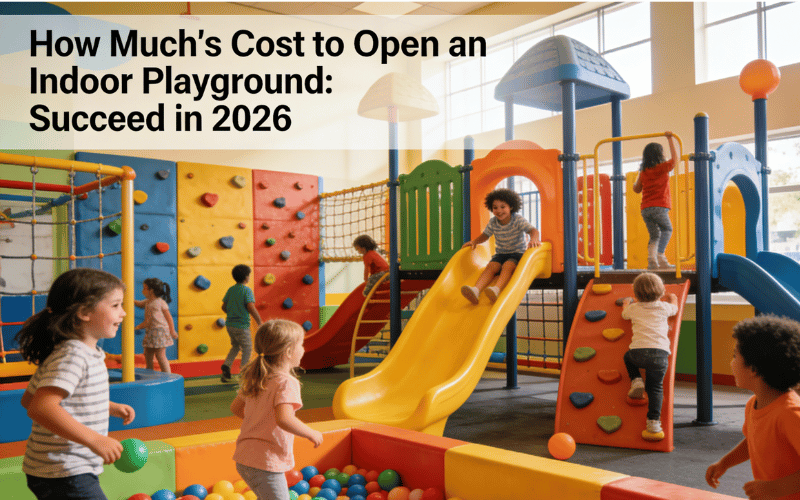
Opening an indoor playground in 2026 is more than just a business venture—it’s an opportunity to create a cherished community hub where families can connect, and children can thrive. The laughter of kids navigating a colorful play structure, the buzz of parents chatting over coffee, and the joy of a perfectly executed birthday party—these are the moments that make this business so rewarding. Indoor playgrounds have become modern-day community centers, offering a safe, weatherproof haven for active play and social development.
But before you start designing your dream ball pit and spiral slide, let’s talk numbers. Launching a successful indoor playground requires a solid financial foundation and a clear understanding of the costs involved. In the competitive family entertainment landscape of 2026, knowing your start-up expenses isn’t just smart—it’s essential for survival.
This article is a deep dive into the real-world costs of opening an indoor playground. We’ll break down everything from the initial investment in equipment and facility build-out to the ongoing monthly expenses that will shape your budget. More than just a financial breakdown, this is a strategic guide to empower you with the knowledge not only to launch but to build a profitable, thriving business. Are you ready to create the next go-to spot for families in your community?
Key Takeaways
- Startup Costs Vary Widely: Opening an indoor playground typically costs between $50,000 for a small play café and over $500,000 for a large, multi-attraction facility. The final figure depends heavily on size, location, and the complexity of the equipment.
- Major Expenses Are Equipment and Rent: The most oversized line items in your budget will be the playground structure itself ($20,000–$250,000+), any additional features like trampolines or interactive games, and the lease or purchase of a suitable commercial space.
- Initial Investments are Crucial: Essential startup costs include not just play equipment but also safety flooring, café furniture, point-of-sale systems, liability insurance, and initial marketing campaigns to build buzz before your grand opening.
- Plan for Ongoing Operating Costs: Monthly expenses will include rent or mortgage payments, utilities, staff salaries, insurance premiums, equipment maintenance, and software subscriptions. These can range from $10,000 to $40,000+ per month.
- Save on Staff Costs with Automation: You can replace specific administrative roles with playground management software to handle online bookings, digital waivers, party scheduling, and membership billing. This reduces payroll expenses and improves operational efficiency.
- Funding Options Are Available: Secure your startup capital through a mix of personal savings, Small Business Administration (SBA) loans, equipment financing, investor partnerships, or pre-selling memberships to generate early revenue.
How Much Does It Cost to Open an Indoor Playground?
So, let’s be honest: how much does it really cost to open an indoor playground? The investment is significant, but the exact amount can vary dramatically based on your vision, location, and business model. A small, cozy play café in a suburban strip mall will have a vastly different price tag than a massive family entertainment center in a prime urban location.
On average, entrepreneurs can expect startup costs to range from as low as $50,000 for a modest setup to well over $500,000 for a large-scale, high-end facility. This range covers everything from securing a location and purchasing equipment to initial marketing and legal fees. Factors that will influence your final cost include the square footage of your facility, the complexity of your play structure, the quality of your café equipment, and the local labor costs for renovations.
For instance, a simple playground with just a soft play structure and a small seating area might fall on the lower end of the spectrum. However, if you plan to include attractions such as trampolines, interactive digital games, climbing walls, or multiple themed party rooms, your costs will rise accordingly. Understanding these variables is the first step toward creating a realistic budget and a solid business plan that can attract funding and guide your decisions.
Cost Breakdown by Playground Type
- Small Play Café (1,500-3,000 sq. ft.): $50,000 – $150,000. This model focuses on a smaller play structure for toddlers and preschoolers, combined with a high-quality café. The lower equipment cost is balanced by investment in commercial kitchen gear.
- Standard Indoor Playground (4,000-8,000 sq. ft.): $150,000 – $400,000. This is the most common model, featuring a large multi-level play structure for a wider age range, a dedicated toddler area, party rooms, and a substantial café.
- Large Family Entertainment Center (10,000+ sq. ft.): $400,000 – $1,000,000+. These facilities include a massive playground plus other attractions like trampolines, ropes courses, laser tag, or arcade games, positioning them as all-in-one entertainment destinations.
Initial Costs to Open an Indoor Playground
With startup costs ranging widely, launching your indoor playground requires careful planning and strategic budgeting. This investment covers everything from the physical build-out to the marketing push for your grand opening. Whether you dream of a quaint neighborhood play café or a sprawling family entertainment complex, this guide will help you navigate the essential expenses needed to succeed in 2026.
Cost 1: Market Research & Business Plan
Before you spend a single dollar on equipment, your first investment should be in thorough market research. This process helps you understand your target audience, analyze the local competition, and validate the demand for an indoor playground in your chosen area. A solid business plan, built on this research, will outline your vision, financial projections, and operational strategy. It’s not just a document—it’s the roadmap for your success and a crucial tool for securing loans or attracting investors.
- Estimated Cost: You can conduct DIY market research using local demographic data and online surveys for a minimal cost. Hiring a professional consultant to create a detailed feasibility study can range from $2,000 to $5,000.
Cost 2: Facility Rental or Purchase Costs
This is often the most significant initial expense and will heavily depend on your location and business model. You will need a commercial space with high ceilings, an open floor plan, and adequate parking. Rental costs vary wildly, and you should expect to pay a significant security deposit plus the first and last month’s rent upfront. If you are purchasing a property, you will need a substantial down payment. Don’t forget to budget for renovations, which can include installing safety flooring, building party rooms, upgrading HVAC systems, and constructing a café. Zoning regulations and building permits will also add to this cost.
- Leasing a space: $5,000 – $25,000 per month, depending on size and location.
- Renovations and build-out: $20,000 – $150,000+, depending on the space’s condition.
Cost 3: Equipment Costs (Purchase or Lease)
The playground structure itself is the heart of your business and your second-largest investment. Costs vary based on size, complexity, theme, and manufacturer. You can purchase equipment outright or lease it to reduce upfront costs, though leasing is more expensive in the long run. In addition to the main play structure, you will need to budget for a separate toddler area, interactive games, and furniture for your lobby and café. Remember to factor in shipping, installation, and initial safety inspections.
- Playground Equipment Purchase: $20,000 for a small structure to $250,000+ for a large, custom-themed design.
- Café & Furniture: $10,000 – $50,000 for seating, tables, and commercial kitchen equipment.
Cost 4: Insurance and Legal Fees
Securing adequate insurance is non-negotiable in this industry. You will need comprehensive general liability insurance to cover potential injuries, as well as property insurance and workers’ compensation. Legal fees will cover business formation (e.g., creating an LLC), drafting liability waivers, reviewing your lease agreement, and ensuring compliance with all local health and safety regulations. Consulting with professionals who specialize in the family entertainment industry is highly recommended.
- Liability Insurance: $8,000 – $25,000 per year.
- Legal & Licensing Fees: $2,000 – $10,000.
Cost 5: Branding and Marketing
Creating a memorable brand and a strong marketing plan is essential for attracting your first customers. This includes designing a logo, building a user-friendly website with an online booking system, and setting up social media profiles. Your pre-launch marketing budget should cover local advertising, social media campaigns, and a grand opening event to generate excitement and build a customer base before your doors even open.
- Estimated Cost: $5,000 – $20,000 for initial branding and pre-launch campaigns.
Monthly Operating Expenses for an Indoor Playground
Once your indoor playground is open, your focus shifts from startup investments to managing consistent monthly operating expenses. Keeping these costs under control is the key to long-term profitability. A successful business isn’t just about a great grand opening; it’s about sustainable financial management day in and day out.
1. Rent or Mortgage Payments
Whether you lease or buy, your facility payment will be one of your most significant and most predictable monthly expenses. Commercial rent can range from $5,000 to $25,000 or more, depending on the square footage and market rate in your area. This fixed cost is the foundation of your monthly budget, so it’s crucial to secure a lease with favorable terms. Thorough market research will help you find a location that balances visibility and affordability, ensuring this significant expense doesn’t overwhelm your revenue.
2. Utilities (Electricity, Water, Gas)
Utilities are a significant ongoing cost, especially for a large facility. Electricity will power your lighting, play equipment features, security systems, and, most importantly, your HVAC system. Keeping a large, open space comfortable for active children and resting parents requires a lot of energy. Monthly utility bills can range from $1,500 to $6,000. Investing in energy-efficient LED lighting and a modern, programmable HVAC system can help reduce these costs over time.
3. Salaries and Employee Benefits
Staffing is essential for safety, cleanliness, and customer service. Your payroll will include wages for front desk staff, party hosts, café workers, and cleaning crew. Salaries for skilled positions, like a general manager or marketing coordinator, will be higher. A typical monthly payroll for a standard-sized playground can range from $10,000 to $30,000, depending on the number of employees and local minimum wage laws. Offering competitive pay is crucial for attracting and retaining reliable staff who will represent your brand well.
4. Equipment Maintenance and Repairs
Regular maintenance is vital to ensure the safety and longevity of your playground equipment. This includes daily inspections, tightening bolts, cleaning ball pits, and repairing any wear and tear on vinyl padding or netting. You should budget $500 to $2,000 per month for maintenance supplies and occasional professional repairs. Proactive maintenance not only prevents accidents but also protects your most significant investment and maintains customer trust in your facility’s safety.
5. Management Software Costs
Modern playground management software is a crucial investment for streamlining operations. These systems handle online booking, party scheduling, digital waivers, point-of-sale transactions, and membership management. Monthly subscription costs typically range from $100 to $400, depending on the platform’s features and your business’s size. This software saves countless administrative hours, reduces human error, and provides valuable data on customer behavior, making it an essential tool for growth.
Unforeseen Costs of Opening an Indoor Playground
Even with the most detailed business plan, unexpected expenses can arise and strain your budget. Innovative entrepreneurs anticipate these and build a contingency fund to handle them. For an indoor playground, unforeseen costs can include:
- Unexpected Repair Costs: A critical piece of equipment, such as the HVAC unit or a commercial coffee machine, could break down and require immediate, costly repairs.
- Regulatory Compliance Updates: Health and safety codes can change, requiring you to invest in new signage, additional safety padding, or updated sanitation equipment to remain compliant.
- Higher-Than-Expected Insurance Premiums: Your initial insurance quote might increase after the final inspection, as underwriters assess the actual risk of your specific play structure.
- Marketing Adjustments: If your initial marketing strategy doesn’t generate the expected foot traffic, you may need to allocate additional funds for a new campaign or promotional discounts.
Having a contingency fund of at least 10-15% of your total startup budget is a wise safety net.
How to Save on Staff Costs with Automation?
One of the most effective ways to improve your profit margins is by using automation to reduce your reliance on administrative staff. Playground management software can handle many of the tasks that would otherwise require a dedicated employee.
By implementing these tools, you can run a more efficient operation with a leaner team. For example, a self-service check-in kiosk can handle entry and waiver signing, freeing up your staff to focus on customer engagement and safety supervision. Automated email and SMS reminders for parties and memberships can improve customer communication without manual effort. This not only cuts payroll expenses but also reduces human error and enhances the overall customer experience, allowing you to reinvest the savings into your facility.
Where to Get Money to Start Your Own Indoor Playground? 4 Tips for Future Business Owners
Starting an indoor playground requires significant capital. If you don’t have the full amount in personal savings, here are four standard financing options to consider.
Tip 1: Small Business Loans & SBA Loans
Traditional bank loans and loans backed by the Small Business Administration (SBA) are excellent options for securing startup capital. SBA loans often offer favorable interest rates and long repayment terms, making them ideal for funding significant expenses such as equipment purchases and facility build-outs. To qualify, you will need a strong business plan, good personal credit, and a clear vision for your playground’s profitability.
Tip 2: Equipment Financing & Leasing
Playground equipment is one of your most significant expenses. Instead of buying it all outright, you can use equipment financing to get a loan specifically for the play structure. Alternatively, leasing allows you to make monthly payments for the equipment without owning it, significantly reducing your upfront cost. Leasing is an excellent option for new businesses with limited capital, and it often includes options to upgrade to newer equipment down the line.
Tip 3: Investor Funding & Partnerships
Attracting private investors or forming strategic partnerships can provide a substantial infusion of cash. Look for investors who are passionate about family entertainment or have experience in the local business community. A collaboration with a related business, like a children’s clothing store or a family-focused restaurant, can also create mutually beneficial opportunities and shared marketing costs. Make sure you have a solid legal structure, like an LLC, in place before seeking outside investment.
Tip 4: Crowdfunding & Pre-Sale Memberships
Crowdfunding platforms like Kickstarter or Indiegogo can be a great way to raise capital directly from your future customers. Offer compelling rewards like founding member plaques, exclusive play sessions, or discounted birthday party packages. Similarly, pre-selling annual memberships at a reduced rate before your grand opening can generate crucial upfront revenue to help cover initial operating expenses. This strategy not only provides funding but also validates market demand and builds a loyal community from day one.
Is Opening an Indoor Playground Worth the Cost?
Opening an indoor playground is a high-cost endeavor, but it can be an advantageous and profitable business if managed strategically. With the proper planning, a focus on customer experience, and innovative financial management, an indoor playground can become profitable within the first 2-3 years. Successful centers can generate annual revenues from $250,000 to over $1 million, with typical profit margins ranging from 15% to 35%.
The key to success lies in diversifying revenue streams beyond just admission fees. Birthday parties, café sales, classes, and special events are where the real profit margins are. If you are passionate about creating a fun, safe space for families and are prepared to navigate the financial complexities, opening an indoor playground is a venture that offers both financial returns and immense personal satisfaction. By budgeting wisely, leveraging automation, and securing the proper funding, you can build a sustainable business that becomes a beloved fixture in your community.
FAQ About Opening an Indoor Playground
Is owning an indoor playground profitable?
Owning an indoor playground can be highly profitable, but success depends on several factors. A well-thought-out business plan, a deep understanding of your target audience, and effective management are essential.
Profitability is influenced by factors such as location, facility size, and the quality of your offerings. Expanding revenue streams beyond entry fees, like hosting birthday parties, selling food and beverages, or offering memberships, can significantly boost profits.
Monitoring operational costs, including insurance and equipment maintenance, is crucial. Building a strong brand and fostering a loyal community will also contribute to long-term financial success. If you plan to expand to multiple locations, consider the additional costs of scaling your business.
How much can you make owning an indoor playground?
Earnings from an indoor playground vary based on its size, location, and services offered. Entry-level staff, such as attendants or café workers, typically earn hourly wages.
For owners, a small to mid-sized playground can generate a salary of $50,000 to $100,000+ annually, in addition to the business’s net profit. Factors like rent, staffing, and the success of high-margin services, such as birthday parties or café sales, play a significant role in determining profitability. With the right strategy, owning an indoor playground can provide a comfortable income.
Why are indoor playgrounds so expensive to open?
The high cost of opening an indoor playground is due to several factors. First, commercial real estate is expensive, especially for spaces with high ceilings and large open areas. Second, commercial-grade play equipment must meet strict safety standards, which increases costs.
Additionally, liability insurance is a significant expense due to the nature of the business. Other costs include renovations, climate control systems, and marketing. These investments ensure a safe, engaging, and high-quality experience for families, but they also contribute to the high startup costs.
Do you have any further questions? Try reaching out to us for professional guidance. Our product specialists can respond to you within as little as one hour.