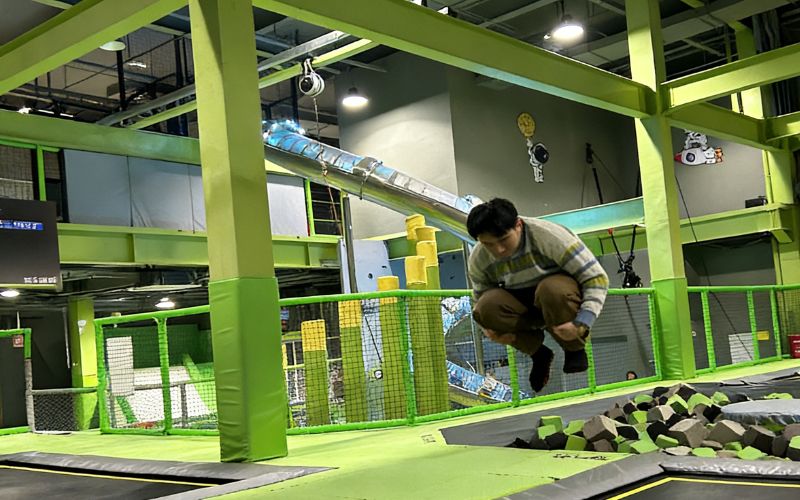
Opening a trampoline park in 2026 is much more than just a fun business venture – it is a fantastic opportunity to inspire a lively community of active families while tapping into a rapidly expanding global entertainment industry. The sheer joy of bouncing, the thrill of navigating ninja courses, and the laughter of shared physical challenges mean trampoline parks have evolved far beyond simple jump zones; they are now highly vibrant hubs of community connection, fitness, and pure adventure.
But before you start designing your custom foam pits and dodgeball courts, let us talk about the real numbers. Because in the highly dynamic family entertainment landscape of 2026, intimately knowing your exact start-up costs is not just smart, it is absolutely essential to your survival.
How much does it actually take to open a profitable trampoline park? Read our comprehensive article – it serves as a deep dive into the real-world expenses, from securing the foundational warehouse infrastructure to purchasing the cutting-edge interactive jump technology that will easily set your park apart from competitors. We will peel back the complex layers of initial investment, recurring ongoing costs, and even those sneaky, unexpected expenses that can make or break a brand-new business.
More than just a simple financial breakdown, this is a strategic guide explicitly designed to empower you with the practical knowledge to not only successfully launch but genuinely thrive. Are you ready to leap to the absolute peak of entertainment venue ownership?
Key Takeaways
- Startup Costs Vary Widely – Opening a modern trampoline park typically costs between $1,200,000 and $3,000,000, depending heavily on total square footage, geographic location, and the premium interactive amenities offered.
- Major Expenses Require Planning – The largest expenses consistently include custom trampoline court manufacturing and installation ($300,000–$800,000), premium interactive equipment purchases such as ninja courses or climbing walls ($100,000–$300,000), and massive facility leasing or commercial property acquisition ($100,000–$800,000).
- Initial Investments are Crucial – Essential, non-negotiable startup costs include heavy-duty steel frame construction, advanced safety padding installation, specialized grip socks, digital waiver kiosks, and robust park management software.
- Marketing and Legal Buffer – Aggressive pre-launch marketing expenses can easily range from $15,000 to $60,000, while comprehensive liability insurance and specialized entertainment permits usually add another $20,000–$50,000 before you even open your doors.
- Plan for Additional Growth Costs – Scaling up your operations often requires significant investments in advanced gamified jump equipment, upgraded premium party rooms ($20,000–$80,000), and specialized, high-capacity climate-control systems ($50,000–$150,000).
- Unforeseen Costs Can Impact Profitability – Always budget an extra 10-15% for unexpected expenses, such as emergency safety pad replacements, sudden regulatory compliance updates, or construction delays.
- Save on Staff Costs with Automation – Smartly replace excess administrative staff with automated park management software to handle party scheduling, digital waivers, and fast membership tracking. This dramatically reduces your payroll expenses while simultaneously improving overall operational efficiency.
- Funding Options for Your Park: Secure massive startup capital through careful personal savings, robust bank loans, strategic partnerships with seasoned investors, or local crowdfunding platforms. A crystal-clear, highly detailed business plan remains absolutely essential to attract serious financial support.
How Much Does It Cost to Build a Trampoline Park?
Start by being completely honest with yourself: how much does it actually cost to start a commercial trampoline park? Opening a large-scale entertainment venue is a massive financial investment, but the total cost varies widely depending on your chosen location, the specific types of park attractions, and the overall business size. Here is a clear overview of the estimated start-up costs for different park tiers:
- Small boutique jump studio (under 15,000 sq ft): $800,000 – $1,200,000
- Standard commercial trampoline park (20,000 – 30,000 sq ft): $1,500,000 – $2,500,000
- High-end adventure park (ninja courses, AR trampolines, VR zones): $2,500,000 – $4,000,000+
How much to successfully open a standard trampoline park? On average, opening a highly competitive indoor jump facility costs between $1.5 million and $2.5 million, depending heavily on the specific court size, advanced safety features, and the variety of interactive equipment installed. Modern parks require much more than just basic trampolines; customers now expect dodgeball zones, slam-dunk courts, and gamified climbing areas, all of which significantly increase initial equipment costs.
How much does it actually cost to build a brand-new trampoline park from the ground up? If you are planning to construct a massive commercial facility from scratch, total costs can easily exceed $4 million to $5 million. This massive figure must carefully factor in raw commercial land acquisition, heavy steel building materials, specialized contractor labor, and custom architectural designs tailored for high-ceiling entertainment venues.
Conversely, leasing an existing large retail box store or an empty industrial warehouse usually significantly reduces your upfront build-out costs, though you must still invest heavily in retrofitting the HVAC system and installing specialized flooring. With the absolute right strategic planning, smart financing options, and aggressive business strategies, new park owners can easily optimize their massive initial investment and generate incredibly strong, long-term profitability.
Initial Costs to Open a Trampoline Park
With typical startup costs ranging broadly from $1,200,000 to $3,000,000, depending heavily on the park’s total size and geographic location, this massive investment requires incredibly careful financial planning and strict budgeting. From constructing custom steel trampoline frames to purchasing specialized digital kiosks and carefully managing massive operational expenses, launching a highly successful trampoline park absolutely demands strategic financial decisions and innovative design solutions.
Whether you are highly passionate about standard jump fitness or specifically aiming to create a massive state-of-the-art indoor adventure facility, this guide will quickly help you navigate the heavy costs and specific steps needed to succeed in 2026. When calculating the total cost to open an entertainment venue, consider these five essential startup expenses carefully.
Cost 1: Market Research & Business Plan
Conducting incredibly thorough market research instantly helps you precisely identify your target audience, accurately assess local entertainment competition, and definitively determine the actual community demand for your specific trampoline park. A highly solid, well-written business plan clearly outlines your grand vision, multiple revenue streams, and daily operational strategy. Why is it so important?
Identifying your specific target audience and local niche ensures your marketing dollars work harder. Developing a comprehensive business plan, including highly detailed financial projections, remains essential for securing large commercial loans or attracting serious private investors.
Estimated Cost: Hiring a professional entertainment consultant or conducting broad community surveys can easily cost $2,000–$8,000, but rigorous DIY market research can drastically reduce these early expenses.
Cost 2: Facility Rental or Purchase Costs
This remains, almost always, the absolute most significant initial expense, depending entirely on your required square footage and specific business model. Rental costs vary wildly depending on geographic location, total size, and existing building amenities. Expect to pay several months of expensive rent completely upfront, including massive commercial security deposits. Purchasing a massive facility outright requires a substantial cash down payment and heavy ongoing commercial mortgage costs.
Foremost, massive rent or heavy mortgage payments for a high-ceiling warehouse or suitable big-box space will consistently form a substantial part of your monthly outgoings, varying significantly by location and size. Consider heavy renovations and extensive build-out costs, such as specialized rubber flooring, bright LED lighting, and massive high-capacity HVAC systems, which can actively add hundreds of thousands to the overall expense. Think deeply about local zoning regulations, too, as they heavily affect the total price of your chosen commercial location.
Leasing a space: $15,000 – $50,000 per month.
Buying commercial property: $1 million – $5 million.
Cost 3: Equipment Costs (Purchase or Lease)
The specific type of adventure park you open directly dictates your massive equipment expenses. A basic jump zone requires standard trampoline beds, heavy steel frames, and safety padding, while a highly specialized adventure park might require specialized gamified equipment such as digital strike arenas or interactive ninja courses.
Purchasing brand-new, custom-manufactured equipment is a massive capital investment; however, commercial leasing can significantly reduce upfront costs but drastically increase your long-term monthly expenses. Do not ever forget to calculate the costs of heavy shipping, specialized installation, delivery logistics, and potential structural testing.
How much does specialized trampoline park equipment actually cost?
Standard trampoline courts (main court, dodgeball): $200,000 – $600,000.
Advanced interactive attractions (ninja courses, AR games): $100,000 – $300,000.
Safety equipment (premium padding, specialized nets, harnesses): $50,000 – $150,000.
Point-of-sale systems and digital waivers: $15,000 – $35,000.
Cost 4: Insurance and Legal Fees
Securing highly adequate, specialized insurance is absolutely non-negotiable in this industry. General commercial liability insurance, massive property coverage, and mandatory workers’ compensation are critically essential to your survival. Legal fees actively cover standard business registration, complex lease contracts, custom liability waivers, and strict compliance with local safety regulations.
Consult immediately with specialized legal and entertainment insurance professionals to ensure you easily have the exact necessary coverage and are operating completely legally. The actual costs will vary greatly depending on the total amount of liability coverage you actively choose.
Liability insurance: $30,000 – $80,000 per year.
Property insurance: $5,000 – $15,000 annually.
Legal fees (contracts, complex waivers, lease negotiations): $5,000 – $20,000.
Cost 5: Branding and Marketing
Creating a highly energetic, strong brand identity and rapidly developing a comprehensive marketing strategy are absolutely critical to instantly attracting excited families and securing party bookings. This directly includes premium logo design, highly responsive website development, aggressive social media marketing, and massive initial digital ad campaigns.
Professional, high-quality branding and marketing services can quickly become costly, but they are essential for creating a strong, positive first impression and for rapidly building local brand awareness. Do not ever neglect grassroots local marketing, such as school partnerships or local sports team sponsorships, as these are very cost-effective and highly powerful.
Logo and premium branding materials: $3,000 – $8,000.
Website and interactive booking presence: $8,000 – $25,000.
Aggressive pre-launch marketing campaigns: $15,000 – $50,000.
Monthly Operating Expenses for a Trampoline Park
Running a massive commercial trampoline park involves a huge variety of expensive monthly expenses that are absolutely essential for safely maintaining operations and ensuring high customer satisfaction. Running a highly successful family entertainment center or a specific facility catering to extreme teen sports involves much more than just a stellar, busy grand opening; it is heavily about strictly managing consistent, massive monthly operating expenses without sacrificing safety.
Rent or Mortgage Payments
Renting or heavily purchasing a massive high-ceiling warehouse remains one of the absolute largest ongoing monthly costs for all commercial trampoline parks. These giant facilities typically require 20,000 to 40,000 square feet to accommodate massive main jump courts, large dodgeball areas, extensive ninja courses, and highly profitable amenities such as premium birthday party rooms and a busy retail cafe.
Monthly commercial rent can range from $15,000 to over $50,000, depending heavily on the premium location and the exact size of the entertainment facility.
To actively minimize these massive costs, conducting incredibly thorough real estate market research is essential to quickly find the best possible deal on commercial rent or a heavy mortgage before signing a long lease.
Utilities (Electricity, Water, Gas)
Massive utilities are absolutely critical for easily maintaining a highly comfortable, safe environment in the giant park. Heavy electricity rapidly powers hundreds of bright LED lights, interactive gamified wall features, hungry arcade machines, and massive high-capacity HVAC systems, while city water is used constantly for public restrooms and the busy cafe.
Utilities, including massive electricity for lighting and constant climate control, water for restrooms, and gas for winter heating, are highly reliable but costly. Insurance premiums, absolutely vital for protecting the business against heavy liability in activities with inherent physical risks, must also be factored into your monthly cash flow.
Electricity and water bills: $5,000 – $15,000 per month.
Salaries and Employee Benefits
Massive staffing costs directly include fair salaries for busy general managers, vigilant court monitors, enthusiastic party hosts, efficient front desk staff, and dedicated maintenance personnel. For example, maintaining highly alert, well-trained court monitors is absolutely crucial for keeping the jump zones safe and preventing dangerous customer behavior.
Staff and payroll costs:
Hiring experienced general managers: $50,000 – $80,000 per year.
Vigilant court monitors and party hosts (hourly): $30,000 – $70,000 monthly combined.
Cleaning and maintenance staff: $20,000 – $40,000 per year.
Monthly minimum-wage payroll can easily range from $30,000 to $80,000, depending entirely on the total number of part-time employees and their specific roles. Offering highly competitive hourly pay and fun benefits rapidly helps retain skilled staff.
Equipment Maintenance and Repairs
Strict, ongoing daily maintenance is absolutely necessary to ensure all trampoline beds, heavy steel springs, safety padding, and complex digital equipment remain perfectly safe and highly functional. This includes incredibly regular, documented safety inspections and immediate replacement of heavily worn-out gear, such as torn safety pads or overstretched jump springs.
Maintenance costs easily average $2,000 to $6,000 per month, though they may vary widely depending on the park’s massive size and the high frequency of public use.
Equipment maintenance parts: $10,000 – $30,000 per year.
Professional third-party safety inspections: $3,000 – $10,000 per year.
Scheduling strict routine inspections drastically reduces massive long-term repair costs while heavily maintaining high customer trust in your safety standards.
Unforeseen Costs of Opening a Trampoline Park
Smart entertainment park owners should always heavily budget for completely unexpected expenses to actively prevent sudden financial strain during their first critical year:
Emergency trampoline replacements: Specialized jump beds, heavy-duty springs, or interactive digital sensors may suddenly break down during peak hours and require immediate, highly expensive repairs.
Legal disputes: Sudden liability issues, complex lease conflicts, or unexpected staff-related lawsuits can quickly become incredibly costly without a strong legal buffer.
Seasonal revenue fluctuations: Highly profitable party sales and daily admission may sharply decline during warm summer off-seasons, necessitating deep financial reserves to safely survive the slow months.
Marketing adjustments: If the initial local branding strategy is completely ineffective at drawing crowds, substantial additional funds may quickly be needed for an aggressive local rebranding.
Always actively maintain a healthy cash reserve of at least $100,000 simply to comfortably manage these highly stressful, completely unforeseen business expenses without panicking.
How to Save on Staff Costs with Automation?
One of the absolute most effective ways to aggressively cut bloated costs and rapidly increase your overall profit margins is to instantly replace slow administrative tasks with highly advanced entertainment facility management software.
Automate Membership and Party Management
Modern park management software smoothly automates time-consuming administrative tasks, such as tracking monthly memberships, managing busy birthday reservations, and instantly processing digital payments. This drastically reduces human error and perfectly ensures highly timely billing, instantly improving your cash flow while effectively eliminating annoying late payments. Systems like Roller or specifically tailored park software make it easy for owners to focus on high-level growth rather than slow, manual processes.
Automated email and SMS reminders heavily improve party client retention completely without extra staff intervention.
Self-Service Check-in and Digital Waivers
By rapidly implementing smart CRM tools, parks can easily replace excess front desk staff with highly automated digital kiosks that seamlessly handle fast member check-ins, mandatory digital safety waivers, and rapid cashless payments. This not only aggressively reduces massive payroll expenses but also dramatically enhances lobby efficiency – quickly freeing up resources to invest in new attractions.
Mobile apps make it easy for parents to book parties, sign legal waivers, and pay via their phones, significantly reducing front desk staffing needs on busy Saturdays.
Where to Get Money to Start Your Own Trampoline Park? 4 Tips for Future Business Owners
Starting a massive commercial trampoline park requires substantial financial resources, from carefully constructing giant steel jump structures and purchasing premium safety padding to covering massive insurance costs and renting a high-ceiling warehouse.
If you totally do not have $1,500,000+ in raw cash to successfully launch a park, here are some incredibly powerful financing options that you absolutely should consider right now!
Tip 1: Small Business Loans & SBA Loans
Traditional small-business loans and powerful SBA loans are excellent options for quickly securing the massive capital you need to successfully start your trampoline park. SBA loans, for example, offer up to $5 million in robust funding with highly competitive interest rates and very long repayment terms, making them ideal for comfortably financing major expenses such as custom court construction or property acquisition.
These massive loans can also easily cover your high ongoing costs, such as marketing and initial payroll. To successfully qualify, you absolutely will need a highly strong business plan and excellent credit.
Tip 2: Equipment Financing & Leasing
Modern trampoline parks require incredibly expensive, specialized equipment, including premium gamified courts, digital point-of-sale systems, and custom modular foam pits. Smart equipment financing or commercial leasing makes it easy to safely spread these massive costs over a long time, significantly reducing the scary upfront financial burden. Leasing is highly advantageous for new startups, as it immediately provides access to premium, high-quality gear without requiring full ownership right away.
Instead of dropping $500,000+ in raw cash on jump equipment, smart leasing allows for much lower upfront costs.
Tip 3: Investor Funding & Partnerships
Aggressively attracting seasoned investors or forming highly strategic business partnerships can easily provide a massive, immediate capital infusion. Smart investors may be highly interested in your adventure park’s massive potential to generate revenue and its unique local value proposition. Actively look for wealthy individuals or private equity firms with a strong passion for family entertainment or deep experience in the local leisure industry.
Strategic partnerships with related local businesses, such as busy pediatric centers or local youth sports leagues, can quickly create highly mutually beneficial financial opportunities.
Tip 4: Crowdfunding & Pre-Sale Memberships
Local crowdfunding platforms easily allow you to rapidly raise startup capital from a massive number of excited local families who deeply believe in your fun community vision. Boldly offer incredibly enticing rewards and VIP incentives to early contributors, such as heavily discounted lifetime family memberships, exclusive grand opening party invites, or branded park merchandise.
Aggressively offering pre-sale annual memberships at a heavily discounted rate easily helps you secure massive early revenue long before the doors even open. Aggressively pre-selling these memberships demonstrates massive community support.
Is Opening a Trampoline Park Worth the Cost?
Opening a massive commercial trampoline park is absolutely a high-cost but incredibly high-reward business venture if it is managed and strategized properly.
By budgeting incredibly wisely, heavily automating slow lobby processes, and securing the absolute best funding sources, a well-run trampoline park can quickly become highly profitable within the first 2-3 years of operation.
Large, well-managed indoor adventure parks and premium family entertainment centers can easily generate $1.5 million to $3 million annually, with incredibly strong 20-35% profit margins when perfectly optimized.
If you are totally ready to aggressively launch an entertainment venue, focus ruthlessly on cutting completely unnecessary expenses, rapidly leveraging advanced booking technology, and quickly securing the absolute best financial funding options to build a highly sustainable, massively fun business.
FAQ
Is owning a trampoline park profitable?
Yes, owning a large trampoline park can be incredibly profitable, but long-term success heavily depends on several crucial factors. A perfectly executed, highly detailed business plan, a deep understanding of your local family market, and highly effective daily management are absolutely crucial.
Massive profitability is directly influenced by specific factors like prime retail location, total size (measured in massive square feet), and the premium quality of your interactive jump facilities. Aggressively diversifying your exact revenue streams perfectly beyond basic hourly jump tickets, such as pushing premium VIP birthday parties, corporate team-building events, and a highly profitable retail cafe, can significantly increase total profitability.
How much can you make working at a trampoline park?
Hourly earnings at a commercial trampoline park vary widely depending on the specific position and overall experience level. Basic entry-level staff, such as busy front desk cashiers or vigilant court monitors, typically earn the standard minimum wage or slightly above it.
Experienced park general managers or dedicated event sales directors can easily command much higher, professional salaries. Crucial factors such as geographic location, the massive size of the entertainment venue, and each employee’s specific management skill set deeply influence the exact pay structures.
Why is building an indoor trampoline park so expensive?
Building a modern indoor trampoline park is incredibly expensive due to several massive structural factors. Safely building and rigorously maintaining giant, interconnected commercial trampoline courts requires a massive initial capital investment in heavy steel and custom springs. The per-square-foot cost of safely constructing these complex bounce arenas, properly installing advanced safety padding, and strictly adhering to international safety standards is incredibly high.
High monthly costs of specialized entertainment insurance, due to the inherent physical risks of extreme jumping, significantly increase daily expenses.