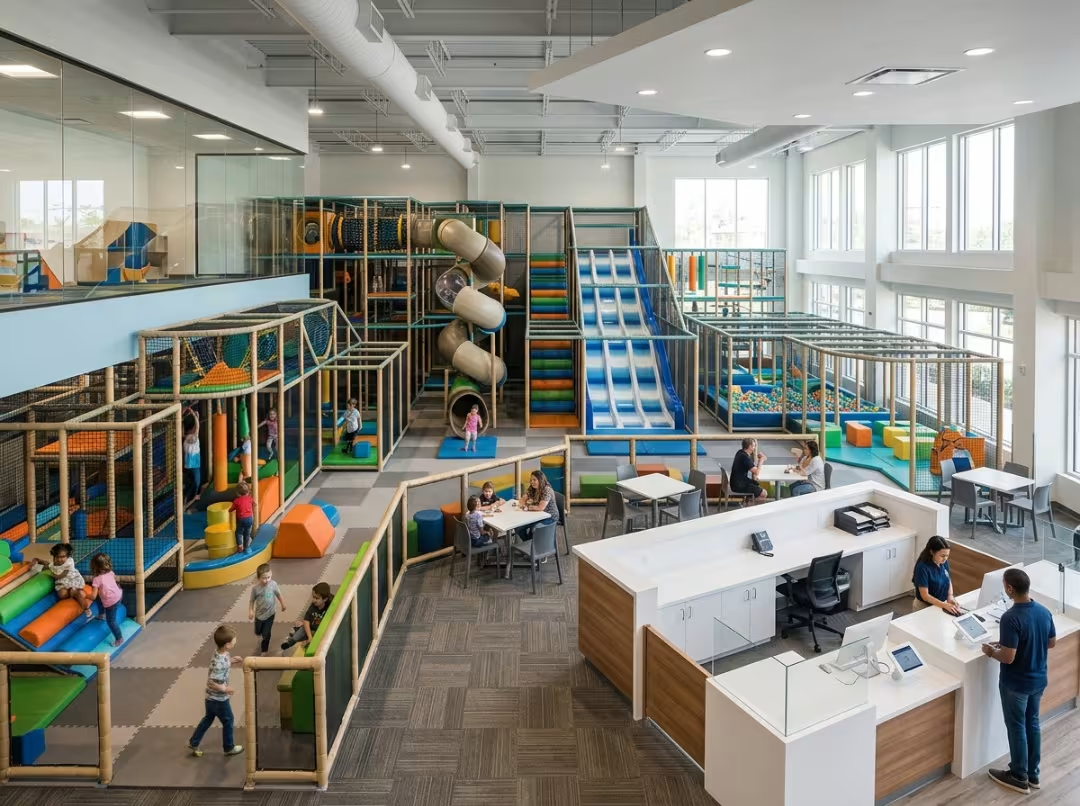
Indoor playground insurance requires a layered coverage stack — general liability, commercial property, business interruption, workers’ compensation, umbrella liability, and inland marine. Standard commercial policies frequently exclude the equipment types and events that generate the most claims. Coverage gaps almost always surface at claim time, not before.
Most indoor playground operators don’t skip insurance. They buy the wrong kind — and don’t find out until a child is injured at a birthday party, when the carrier points to an exclusion buried on page 34 of the policy.
Indoor playgrounds occupy a specific and often misunderstood risk category. High claim frequency, driven by children under 10, equipment-specific injury patterns, and supervision dynamics that shift dramatically during peak events, creates an exposure profile that general commercial insurers are poorly equipped to underwrite accurately. The result: policies priced for a gym or retail venue, leaving the highest-exposure areas uncovered.
This article covers the complete coverage stack a commercial indoor playground operator actually needs, how underwriters assess your risk, what drives your premium, and how to read a policy so you’re not caught off guard when it matters most.
Why Does Standard Business Insurance Fall Short for Indoor Playgrounds?
A standard Business Owner’s Policy (BOP) combines general liability and commercial property coverage into a single package designed for low-to-moderate risk commercial operations. For a boutique retailer or a small consulting firm, that coverage is often adequate. For an indoor playground, it’s a starting point at best.
The core problem is classification. General insurers typically assign indoor playgrounds to a broad “recreation facility” or “family entertainment center” category. That classification groups your trampoline zone with a bowling alley or a movie theater — environments with meaningfully different injury profiles and claim histories. The premium may look reasonable. The exclusions, however, reflect neither your actual equipment nor your actual risk.
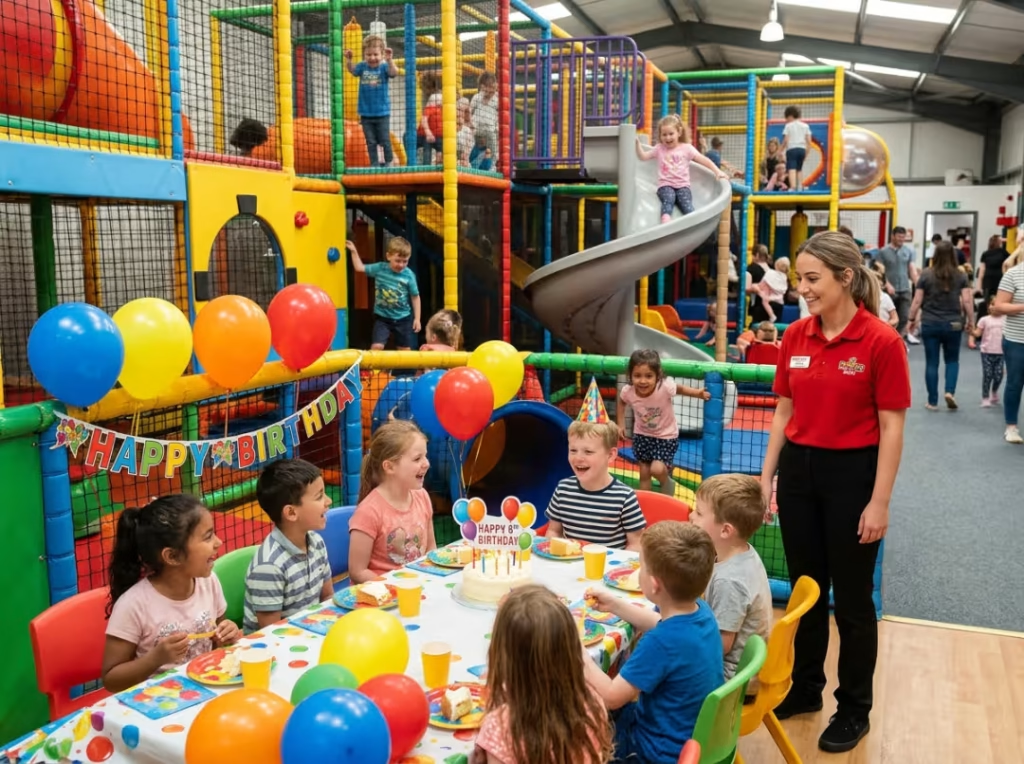
Birthday parties are a prime example. They represent some of the highest-revenue events an indoor playground runs. They also concentrate the most children in the smallest space, with the least predictable supervision, in the shortest window of time. Many standard policies treat a private-hire birthday party as a distinct “special event” — one that requires a separate endorsement or rider to cover. Operators who don’t know to ask for it run birthday parties under a policy that won’t respond to a claim generated by one.
The same problem applies to trampolines, foam pits, climbing walls, and mechanical rides. Each carries its own underwriting logic, and each is commonly excluded or sub-limited in policies that weren’t designed with active play equipment in mind.
What Coverage Stack Does an Indoor Playground Operator Actually Need?
General Liability Insurance
General liability is the foundation. It covers bodily injury and property damage claims made by third parties — primarily children and their parents — arising from operations at your facility. For indoor playgrounds, this means falls, collisions, equipment-related injuries, and similar incidents.
The standard minimum for a commercial indoor playground is $1 million per occurrence and $2 million aggregate. Higher-traffic facilities, those with trampolines or foam pits, or those operating in litigious markets should carry higher limits. The per-occurrence limit is what matters most in a single serious injury claim; the aggregate matters if you’re facing multiple claims in a policy year.
Pay close attention to what the general liability policy actually covers. Many policies designed for general recreation facilities exclude specific equipment categories by endorsement. If trampolines, climbing walls, or mechanical rides aren’t explicitly included, assume they’re excluded.
Commercial Property and Business Interruption Insurance
Commercial property coverage protects your physical assets — the building (if owned), equipment, flooring, signage, and furnishings. For indoor playgrounds, the indoor playground equipment itself is typically the single largest asset on the floor, and it needs to be scheduled accurately on the policy.
Business interruption coverage is often overlooked until it’s needed. If a fire, water damage, or structural issue forces your facility to close for 30, 60, or 90 days, business interruption insurance replaces lost income and covers fixed operating expenses during that period. For a facility that depends on weekend foot traffic and party bookings, a forced closure of even a few weeks can be financially devastating without this coverage.
Workers’ Compensation
Workers’ compensation is legally required in most U.S. states for any business with employees. It covers medical expenses and lost wages for employees injured on the job — and indoor playgrounds generate real employee injury exposure. Staff who assist children on equipment, monitor trampoline zones, and manage high-energy birthday parties face a different physical risk profile from that of office workers.
Misclassification of employees is a common and costly mistake during audits. Ensure that all staff — including part-time party hosts and weekend floor monitors — are classified correctly on your workers’ compensation policy.
Umbrella Liability
An umbrella policy extends the limits of your underlying liability policies. If a serious injury claim exhausts your general liability limits, umbrella coverage responds above that threshold. For indoor playgrounds, where a single catastrophic injury — a spinal injury from a fall, for example — can generate a claim well into seven figures, umbrella coverage provides critical protection.
A $1–2 million umbrella on top of a $1 million general liability policy is a reasonable minimum for most commercial indoor playground operations. Larger facilities or those with higher-risk equipment should carry more.
Equipment and Inland Marine Insurance
Standard commercial property policies cover assets that stay in a fixed location. Inland marine coverage — despite the name — is the appropriate vehicle for covering portable, mobile, or specialty equipment. For indoor playgrounds, this includes inflatable structures, modular play systems, and any equipment that moves between locations or events.
More importantly, inland marine policies can be structured to cover equipment breakdown, which standard property policies typically exclude. A trampoline frame failure or a mechanical ride malfunction that takes equipment out of service for weeks is as much a revenue problem as a repair problem. Equipment breakdown endorsements address both.
Where Do Insurers See the Real Risk? Underwriting Logic Explained
What Injury Patterns Actually Drive Claims?
Indoor playground claims cluster around a predictable set of incident types. Falls — from elevated platforms, off equipment, and on wet or slippery surfaces — account for the majority. Collisions between children, particularly in open-run zones and trampoline areas during peak traffic periods, generate a steady stream of soft-tissue injuries and fractures. Equipment-specific incidents, such as entrapments, pinch points, and impact injuries from structural failures, are less frequent but tend to produce more severe outcomes.
Age is a significant underwriting variable. Children under 5 represent a disproportionate share of serious injury claims relative to their total usage. Their motor control is still developing, their risk awareness is limited, and their injury severity from equivalent falls is higher than older children. Facilities that actively permit unsupervised toddler access to equipment designed for older children — or that mix age groups in the same zones — can expect this to surface in both claim history and premium pricing.
How Does Equipment Type Affect Underwriting Risk Differently?
Not all equipment carries the same risk weight in an underwriter’s model. Soft play structures — foam-padded, low-height configurations designed for children aged 3–7 — generate the lowest claim frequency and severity. Multi-level climbing structures and slides occupy a middle tier. Trampolines, foam pits, and mechanical or motorized rides sit at the highest risk end of the spectrum.
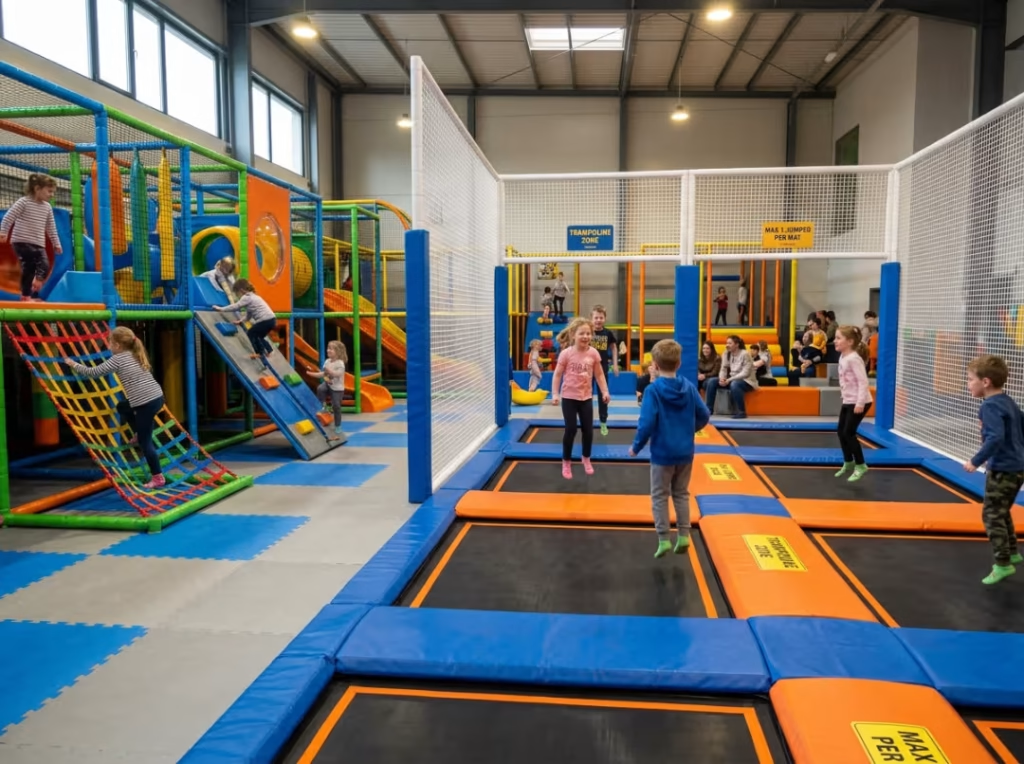
Trampolines are frequently the subject of specific underwriting scrutiny or outright exclusion. Insurer data consistently show that trampoline-related injuries result in higher medical costs and more frequent litigation than almost any other equipment category in indoor play environments. Foam pits carry a different but significant risk profile: entry and exit injuries, and the hidden hazard of items buried in the foam. Mechanical rides introduce product liability dimensions that extend beyond premises liability.
When evaluating your coverage, map each piece of equipment you operate against the policy’s exclusions. If trampolines or foam pits are present and not explicitly covered, that’s a gap worth addressing before a claim, not after.
Do Liability Waivers Actually Protect Indoor Playgrounds?
Waivers have real value, but operators who treat a signed waiver as equivalent to insurance coverage are operating on a false assumption. Courts in many jurisdictions have declined to enforce waivers in claims involving child injuries, on the grounds that children cannot legally waive their own rights — and that parents waiving on a child’s behalf may face similar limits depending on state law.
Even where waivers are enforceable, they typically don’t protect against claims involving gross negligence or willful misconduct. A waiver won’t help if a child is injured on equipment that your maintenance records show was overdue for repair. Waivers reduce exposure; they don’t eliminate it.
How Do Repeated Small Claims Affect Your Coverage and Premium?
Frequency matters as much as severity in the underwriting model. A facility with five minor claims in a policy year — each resolved for a few thousand dollars — can be rated as higher risk than a facility that had one moderate claim. Repeated small claims signal to underwriters that the operating environment generates consistent injury opportunities, which predicts future claim activity.
This has a practical implication for how operators should handle minor incidents. Reporting every scratch and bruise to your carrier is not always the right approach. Discuss your insurer’s expectations around claim thresholds with your broker, and understand how your claims history affects your renewal pricing and eligibility.
What Actually Drives Your Indoor Playground Insurance Premium?
Which Premium Factors Can’t You Control?
Several underwriting variables are fixed characteristics of your operation. Facility square footage is a primary rating factor — larger spaces cost more to insure, both because they accommodate more visitors and because the potential for concurrent incidents increases. Geographic location affects premium through local litigation climate, state regulatory requirements, and regional claim cost data.
The number of visitors your facility hosts annually is a significant factor. Underwriters use revenue or attendance figures as a proxy for exposure — higher throughput means more opportunities for a claim to occur. In most cases, you’ll be asked to project annual attendance or revenue at policy inception, with an audit at policy expiration.
Which Premium Factors Can You Actually Influence?
Equipment mix is one of the most controllable premium variables. A facility that operates exclusively soft play structures for children aged 3–7 will pay meaningfully less than a comparable facility that includes trampolines, foam pits, and mechanical rides. That doesn’t mean eliminating high-risk attractions — those often drive the most revenue — but it does mean understanding that each addition changes your risk profile and should prompt a policy review.
Claims history is the other major controllable factor, and it’s the one that compounds over time. A clean three-year claims history produces materially better renewal terms than a record with consistent small claims or a single large one. Staff training, daily inspection protocols, and systematic maintenance documentation all contribute to reducing the incidents that generate claims.
Age-segregation enforcement is a specific operational practice that insurers view favorably. Facilities that enforce height and age restrictions at equipment entry points and actively staff those zones during peak hours demonstrate a level of risk management discipline that differentiates them in the underwriting conversation.
How Do You Choose a Policy Without Buying the Wrong One?
Why Should You Work with a Specialist Broker?
The single most effective step an indoor playground operator can take is working with a broker who specializes in family entertainment centers or commercial recreation facilities — not a generalist who handles everything from restaurants to construction contractors. A specialist broker understands the equipment classifications, knows which carriers have meaningful appetite for indoor playground risk, and knows which exclusions to push back on during the quoting process.
Ask any broker you’re evaluating how many indoor playground or FEC accounts they currently service. Ask them to name the exclusions that most commonly catch operators off guard. If they can’t answer both questions fluently, keep looking.
Should You Compare Policy Limits or Premiums?
Compare limits, exclusions, and the carrier’s claims-handling reputation — not premiums. Two policies priced $2,000 apart may have coverage differences worth $500,000 in a real claim. The premium is the cost of the coverage; the coverage is what matters.
When reviewing quotes, focus on:
- Per-occurrence and aggregate liability limits
- Whether trampolines, foam pits, and mechanical rides are explicitly included or excluded
- Whether birthday parties and private events are covered under the base policy or require a separate endorsement
- Whether camps, classes, or food service operations are addressed
- How unsupervised zones or after-hours access are treated
Which Policy Exclusions Are Most Likely to Create Gaps?
Read every exclusion in full. The following categories appear most frequently in disputed indoor playground claims:
- Trampolines and bounce equipment. Often excluded outright or sub-limited. If your facility includes trampolines, require explicit written confirmation that they’re covered — not a verbal assurance.
- Birthday parties and private events. Many base policies treat these as special events requiring separate coverage. Confirm whether your general liability policy extends to private-hire events without an endorsement.
- Day camps and structured programs. If you operate summer camps, after-school programs, or structured classes, those activities carry a different liability profile than open-play access. Some policies exclude organized programs entirely.
- Food service. Snack bars and cafes introduce product liability exposure. If your facility serves food, verify that food-related claims are covered.
- Unsupervised zones. Some policies require active staff supervision in all areas where children are present. Facilities that operate open-play zones without dedicated floor staff may find claims arising from those areas disputed.
Review your policy at each annual renewal. As your facility adds equipment, events, or programming, the coverage that was adequate at inception may no longer match your actual operations.
What Risk Management Practices Reduce Exposure and Premiums?
How Do Daily Inspections Reduce Insurance Exposure?
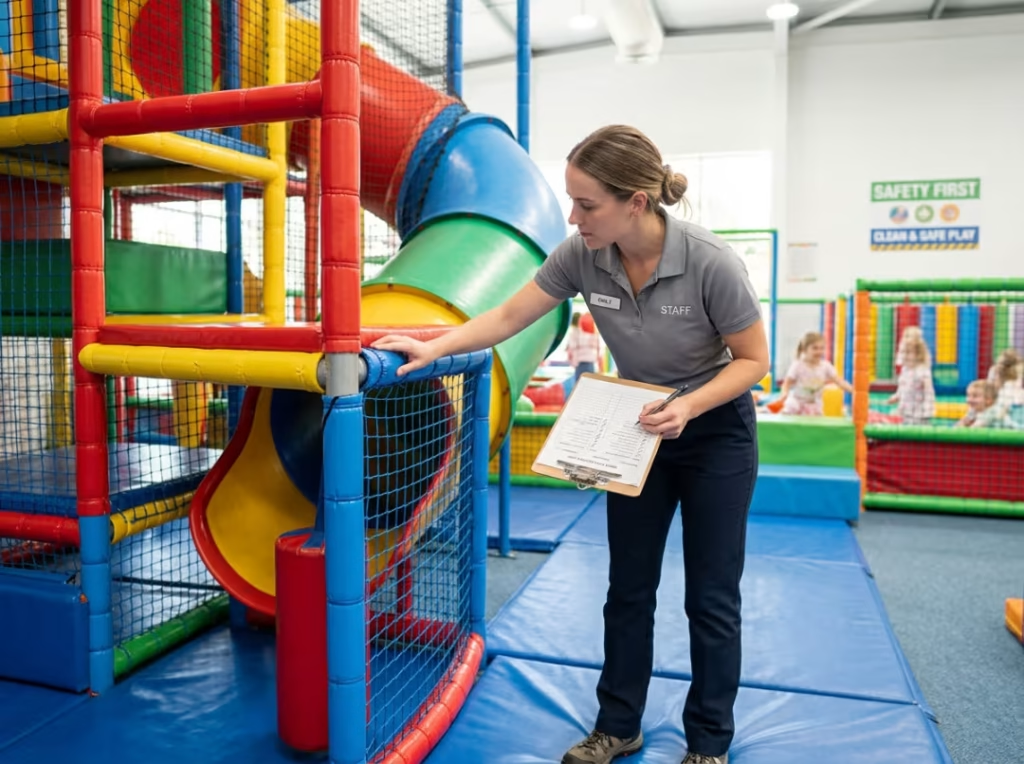
A daily inspection protocol does two things: it catches equipment issues before they cause injuries, and it creates a documented record demonstrating operational discipline to both insurers and courts. The inspection record matters as much as the inspection itself — an undocumented inspection is no inspection in a litigation context.
Inspection logs should be time-stamped, equipment-specific, and signed by the staff member conducting the inspection. Any identified issue should generate a work order, and the equipment should be taken out of service until the repair is completed and documented. When you invest in quality indoor playground equipment built to certified safety standards, maintenance documentation becomes easier — but it’s never optional.
How Do Signage and Rules Reduce Liability?
Clear, conspicuous rules reduce the frequency of incidents and establish a record of warning in the event a claim is filed. Age and height restrictions should be posted at equipment entry points, not just at the front desk. Staff enforcement of those rules — documented in training records and incident logs — demonstrates that the restrictions were operationally meaningful, not merely decorative.
Parent communication matters beyond the waiver. Pre-visit digital communications, check-in reminders about supervision requirements, and staff briefings at the start of birthday parties all reduce the likelihood of incidents and establish a documented supervision framework.
What Staff Training Practices Matter Most?
Staff training is a documented underwriting variable for many carriers and a litigation variable in virtually every serious claim. Training records should include equipment-specific safety protocols, emergency response procedures, incident reporting requirements, and enforcement of age/height restrictions.
Run emergency drills, and document them. A staff member who has walked through an injury response scenario performs better in a real one — and the drill record demonstrates organizational preparedness.
Do Vendor Contracts and Maintenance Records Matter to Insurers?
Yes — particularly for equipment failures that could trigger product liability or completed operations claims. Retain all vendor contracts, equipment purchase documentation, safety certifications, and maintenance service records. If a claim involves equipment failure, your ability to demonstrate that the equipment was purchased from a reputable manufacturer, installed per specification, and maintained to manufacturer standards materially affects how the claim is handled.
When a Claim Happens: What Should You Do?
What Are the Most Important First Steps After an Incident?
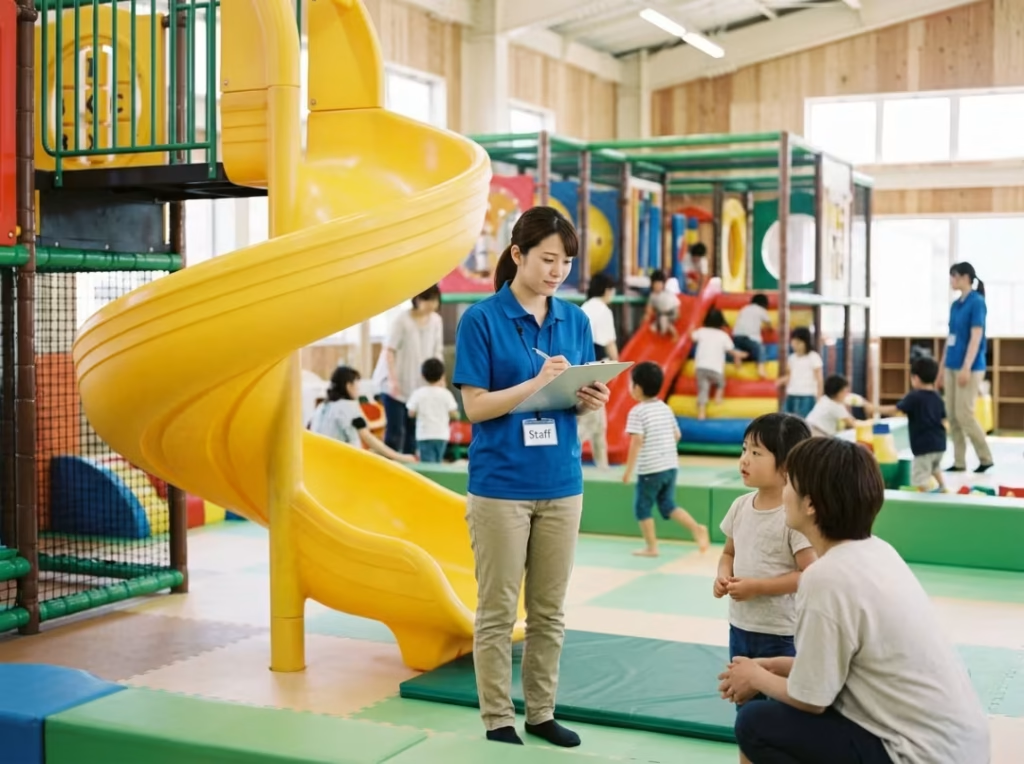
Respond immediately and notify your insurer promptly. Most policies include a notice requirement — delayed reporting can provide the carrier with grounds to limit or deny coverage. Document the incident in detail: names, times, circumstances, witnesses, and photographs of the scene and equipment involved. Preserve any physical evidence and do not repair or alter equipment involved in the incident until the insurer has had the opportunity to inspect it.
Avoid admissions of liability. Expressing sympathy to an injured family is appropriate and human; making statements about fault or the condition of your equipment is not. Refer all legal communications to your carrier or legal counsel.
How Should You Work With the Claims Adjuster?
Provide complete documentation promptly, respond to information requests on time, and keep records of every communication. If the adjuster’s interpretation of coverage conflicts with your understanding of the policy, raise it in writing and involve your broker. Your broker serves as your advocate in the claims process — use them.
If a claim is denied, request the denial in writing with specific reference to the policy language the carrier is relying on. Review that language with your broker and legal counsel before accepting the denial as final. Denials based on exclusions are sometimes successfully contested, particularly when the exclusion language is ambiguous.
Frequently Asked Questions About Indoor Playground Insurance
How much does indoor playground insurance typically cost?
Premium ranges vary significantly based on facility size, equipment mix, annual attendance, location, and claims history. A small soft-play facility with a clean claims history may pay $3,000–$6,000 annually for a basic coverage stack. Larger facilities with trampolines, mechanical rides, and food service operations can pay $15,000–$30,000 or more. The only reliable way to benchmark your premium is to obtain multiple quotes from carriers with genuine experience in indoor playgrounds.
Are trampolines automatically covered under a general commercial liability policy?
Not usually. Trampolines are one of the most commonly excluded equipment categories in general commercial liability policies. Confirm explicitly — in writing — whether trampolines are covered under any policy you’re considering. A verbal confirmation from a non-specialist agent is not sufficient.
Does a liability waiver eliminate the need for adequate insurance coverage?
No. Waivers provide partial protection in some jurisdictions and under certain circumstances, but courts frequently decline to enforce them in child-injury cases. Waivers reduce exposure at the margins; insurance is the mechanism that covers losses when a claim succeeds.
What happens if a child is injured during a birthday party and the policy doesn’t cover private events?
The carrier may deny the claim based on a special-events or private-hire exclusion. This is one of the most common coverage gaps for indoor playground operators. Confirm that your policy explicitly covers birthday parties and other private-hire events — or obtain a separate special events endorsement that does.
How does claims history affect indoor playground insurance renewal?
Claims history is one of the most significant factors in renewal pricing. Multiple small claims in a policy year can increase premiums at renewal or trigger non-renewal from some carriers. A clean three-year history produces the most favorable renewal terms. Operators should track claim frequency and work with their broker to understand how their history compares to carrier benchmarks.
When should an indoor playground operator review their insurance policy?
At minimum, once per year at renewal. Any time the facility adds equipment, expands operations, introduces new programming (camps, classes, food service), or relocates, a mid-term policy review is appropriate. Coverage that fit your operation 18 months ago may no longer match what you’re actually running today.
Build Your Coverage Before You Need It
The operators who end up in coverage disputes after a claim are rarely the ones who skipped insurance. They’re the ones who bought a policy without understanding what it excluded — and found out the hard way that a birthday party, a trampoline zone, or an unsigned maintenance log sat outside the coverage they were paying for.
The right coverage stack isn’t complicated, but it requires attention to detail that standard commercial policies routinely overlook. Work with a specialist broker. Read the exclusions. Review the policy every year, particularly when your operations change. And build the documentation habits — daily inspections, staff training records, incident logs, vendor contracts — that reduce your exposure on the floor and strengthen your position if a claim is ever filed.
That’s not defensive operating. That’s how a commercially viable indoor playground manages the business’s real risks.