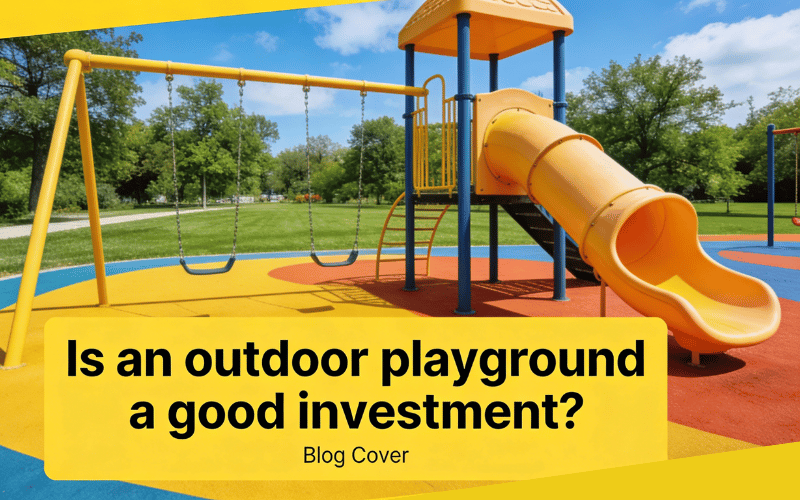
Outdoor playgrounds have long stood as a cornerstone of community life, providing safe, fun spaces for children to explore and for families to connect. For business owners and entrepreneurs, they represent a sustainable model with significant earning potential and the ability to foster strong community ties.
Whether you are a first-time business owner, a school administrator looking to expand facilities, or an experienced operator seeking a new venture, this guide will help you understand what it takes to succeed in the outdoor playground industry. We’ll cover profitability, startup and operational costs, revenue streams, whether franchising or going independent is right for you, and the strategies successful operators use to thrive.
If you are still in the early stages of planning, this comprehensive look will help you determine if an outdoor playground is the right investment for your goals.
Are Outdoor Playgrounds Profitable?
Outdoor playgrounds are more than just swings and slides; they are destinations that bring people together. Their broad appeal across age groups makes them a reliable business model with steady demand.
Revenue Potential
Outdoor playgrounds can be highly profitable ventures. Owners often see profit margins of 20–70%, with potential annual earnings varying significantly by size and location. A well-managed playground can generate substantial income, and many operators report recouping their initial investment within two to four years, depending on their business model and local market conditions.
What Drives Profitability
Outdoor playgrounds stand out as strong performers due to several key factors:
- Broad Customer Base: From toddlers needing sensory play to older children seeking physical challenges, playgrounds attract families, schools, and community groups, ensuring a steady flow of visitors.
- Low Operational Costs: Unlike high-tech entertainment centers, playgrounds use durable equipment that requires minimal daily energy. Staffing needs are generally lower than those for more service-intensive attractions.
- Opportunities for Growth: Revenue isn’t limited to entry fees. Successful venues boost earnings through birthday parties, seasonal events, food sales, and branded merchandise.
Challenges to Consider
Like any business, there are challenges to navigate, such as:
- Seasonality: Outdoor venues are weather-dependent. Rain, extreme heat, or cold can affect attendance, requiring operators to plan for financial reserves during off-peak months.
- Maintenance Requirements: To ensure safety and continued appeal, equipment needs regular inspection and upkeep. Faded or damaged structures can quickly deter visitors.
- Marketing Investment: You must actively promote your venue to keep it top of mind with parents and schools, especially during the shoulder seasons.
The good news is that with a solid plan, an outdoor playground can be a financially rewarding and community-enriching investment.
What Are the Start-up Costs for an Outdoor Playground?
Building an outdoor playground requires a significant upfront investment, but strategic planning ensures your capital is spent effectively.
Typical startup costs can range anywhere from $100,000 for a small, community-focused playground to $1 million or more for a large, fully themed adventure park. The exact figure depends heavily on factors like land costs, equipment complexity, and amenities.
Key Cost Drivers
- Land Purchase or Lease: This is often the largest expense. Location matters immensely for visibility, but prime real estate comes at a premium.
- Playground Equipment: High-quality, commercial-grade structures (slides, climbing nets, swing sets) are essential. Custom or themed equipment will cost more but can serve as a major draw.
- Safety Surfacing and Landscaping: You cannot skimp here. Impact-absorbing surfaces like rubber mulch or poured-in-place rubber are critical for safety compliance and often account for a large portion of the budget.
- Lighting and Fencing: Secure fencing ensures child safety, while lighting extends operating hours into the evening, especially during winter.
- Permits, Insurance, and Marketing: Don’t overlook the administrative costs of zoning permits, liability insurance, and the launch marketing campaign to get your first customers through the gate.
Hidden Costs
Be aware of costs that often fly under the radar, such as accessibility features (ramps, sensory inclusive equipment) to ensure ADA compliance, and amenities like restrooms, seating areas for parents, and shade structures. These elements are vital for guest comfort and longer dwell times.
What Are the Operational Costs of Running an Outdoor Playground?
Once your gates are open, operational costs become the key to long-term sustainability. While generally lower than those of indoor entertainment centers, these expenses are still vital to profitability if managed strictly.
Here are the main categories to consider:
Staffing
Even though the equipment does the “entertaining,” you need the right team. You will need attendants to monitor safety, maintenance staff to keep the grounds pristine, and event coordinators to manage profitable birthday parties. Staffing levels should scale with demand—higher on weekends and holidays, lower on weekdays.
Maintenance
This is non-negotiable. Regular inspections, cleaning, and repairs are essential to ensure safety and maintain visual appeal. Broken equipment is a liability and a reputation killer. Budget for annual safety audits and immediate repairs.
- Utilities: While you save on HVAC compared to indoor venues, you still have utility costs. Electricity for security lighting, evening operations, or sound systems is a factor. If you have splash pads or water fountains, water bills will be a significant line item in your operations.
- Marketing: To maintain steady foot traffic, you need to invest in marketing. Industry standards recommend allocating 5–10% of your monthly revenue for promotions, social media advertising, and community outreach. This keeps your venue visible to new families and reminds past visitors to return.
- Software: Efficient management relies on technology. You will need software for ticketing, scheduling parties, and point-of-sale (POS) systems for food and merchandise. Investing in integrated management tools simplifies operations and provides valuable data on peak times and customer behavior.
How Do Outdoor Playgrounds Make Money?
Admission fees are the foundation, but the most successful outdoor playgrounds diversify their income to boost revenue per visitor and ensure financial stability throughout the year.
Core Revenue Streams
- Admission Fees: Whether it’s a daily pass or a membership model, gate fees provide your reliable baseline revenue. Tiered pricing for different age groups or peak times can optimize this income.
- Events are a massive revenue driver. Birthday parties, school field trips, and corporate team-building events bring in large groups at once. These packages often have high margins and introduce new customers to your venue who may return later as regular visitors.
- Food and Beverage Sales: Parents and active kids get hungry. A café, snack bar, or even well-stocked vending machines can significantly lift per-guest spend. Coffee for parents and healthy snacks for kids are consistent sellers.
Add-ons and Upsells
- Merchandise: Branded items like water bottles, hats, t-shirts, or small toys offer a fun takeaway for kids and free advertising for you. These impulse buys add up at the checkout counter.
- Special Experiences: Hosting seasonal events like “Easter Egg Hunts,” “Halloween Spooktaculars,” or movie nights adds novelty. You can charge a premium for these ticketed events.
- Additional Attractions: Adding revenue-generating features like a mini-golf course, a splash pad, or a climbing wall creates a “combo” ticket opportunity and extends the length of stay.
Other Strategic Revenue Streams
- Memberships and Loyalty Programs: Selling monthly or annual passes creates predictable recurring revenue. It encourages families to visit more often, increasing the likelihood they will spend money on food and friends.
- Sponsorships or Partnerships: Collaborate with local businesses. A local pediatrician or toy store might sponsor a specific play structure or event in exchange for signage, creating an additional income stream while building community ties.
- Bundles and Packages: Combine admission with a meal deal or a souvenir cup. Bundling increases the average transaction value and simplifies the purchasing decision for parents.
By layering these diverse streams, you insulate your business from fluctuations in general admission and create a more robust financial model.
What Makes an Outdoor Playground Business Succeed?
The most successful outdoor playgrounds share a common trait: they prioritize the guest experience above all else. When families feel safe, welcomed, and entertained, they return. Here are the factors that make the biggest difference:
Location and Accessibility
A highly visible location is crucial. Ideally, your playground should be easy to access via main roads and have ample parking. Proximity to schools, residential areas, or other family-friendly attractions can drastically reduce your marketing burden. Public transport links are a huge bonus for accessibility.
- Design and Appeal: A playground isn’t just equipment; it’s an environment. Invest in creative, themed designs. Whether it’s a pirate ship adventure, a jungle safari, or a futuristic space station, theming transforms a simple play area into a destination. Crucially, ensure your design is inclusive, offering features for children of all abilities and age groups so no family member is left out.
- Guest Experience: From the moment a family arrives, the experience should be seamless. Clear signage, an easy check-in process, and friendly staff set the tone. Cleanliness is paramount—parents notice dirty bathrooms or overflowing trash bins immediately. A safe, well-maintained environment builds trust.
- Operational Efficiency: Use technology to remove friction. Online booking systems allow families to secure spots in advance (and help you staff accordingly). Digital waivers speed up entry lines. Flexible payment options at the snack bar keep lines moving. The smoother the logistics, the more time guests spend enjoying the facility.
- Community Connection: Embed your business in the local community. Host fundraisers for local schools, offer discounts for scout troops, or run special “toddler mornings.” When you support the community, they support you.
- Pricing and Promotions: Smart pricing maximizes revenue. Family passes encourage groups, while “happy hour” discounts on slow weekday afternoons can boost attendance. Dynamic pricing can help manage capacity during peak weekends while maximizing yield.
When these elements align, you create a business that generates consistent revenue and becomes a beloved local institution.
Outdoor Playground Franchise vs. Independent: Which Is Right for Your Business?
Another pivotal decision is whether to launch as an independent brand or buy into a franchise. Both paths have distinct advantages depending on your experience and risk tolerance.
| Criteria | Franchise | Independent |
|---|---|---|
| Brand Recognition | Instant credibility. Customers trust established names for safety and quality, accelerating growth. | Build from the ground up. You’ll need to create your brand, marketing, and reputation from scratch. |
| Startup Support | Franchisors provide a roadmap that includes site selection, equipment procurement, staff training, and marketing strategies. | You are responsible for building processes, safety protocols, staff training, and vendor relationships. |
| Operational Freedom | Limited control. You must adhere to the franchisor’s rules on design, pricing, and operations to maintain brand consistency. | Full control. You can design your dream park, set your own prices, and pivot strategies based on local feedback. |
| Costs | Initial franchise fees plus ongoing royalties (a percentage of revenue), which impact long-term margins. | No franchise fees or royalties, meaning you keep 100% of profits. However, upfront branding and marketing costs may be higher. |
| Best For… | First-time entrepreneurs who want a proven system, structured support, and lower risk. | Experienced operators or visionaries with a specific concept who want total creative freedom and maximum profit potential. |
Next Steps: How Technology Can Help Your Outdoor Playground Thrive
Starting an outdoor playground requires passion, but scaling it requires efficiency. Technology is the lever that allows you to manage operations without getting buried in administration.
Modern management software helps you streamline the entire guest journey. Tools for online bookings and ticketing allow you to capture revenue 24/7 and predict daily attendance. Digital waivers protect your business and speed up the entry process, eliminating paper clutter. Furthermore, automated guest feedback tools let you gather reviews and insights instantly, helping you fix issues before they become bad habits.
By integrating the right software, you free up your staff to focus on safety and guest interaction rather than paperwork. If you want to build a thriving business, explore technology solutions designed specifically for venue management.
Frequently Asked Questions About Outdoor Playgrounds
What does it cost to start an outdoor playground?
Startup costs vary widely, ranging from $100,000 for a smaller, simpler setup to $1 million or more for a large, themed adventure park with extensive amenities. Major variances come from land costs and equipment choices.
Is an outdoor playground profitable?
Yes, they can be highly profitable. With profit margins often falling between 20–70% and diverse revenue streams beyond just admission, successful playgrounds generate healthy annual returns.
How do outdoor playgrounds make money?
Primary income comes from admission fees and memberships. However, significant revenue is also generated through birthday party packages, food and beverage sales, merchandise, and special ticketed events.
What are the greatest challenges of running an outdoor playground?
The main challenges include managing high upfront costs, handling ongoing maintenance to ensure strict safety standards, and mitigating the impact of seasonal weather on attendance.
Should I start independently or buy into a franchise?
It depends on your goals. Franchises offer a safety net of support and branding but come with higher fees. Independent ownership offers higher profit potential and creative freedom, but it requires you to build your own systems and establish your brand reputation.