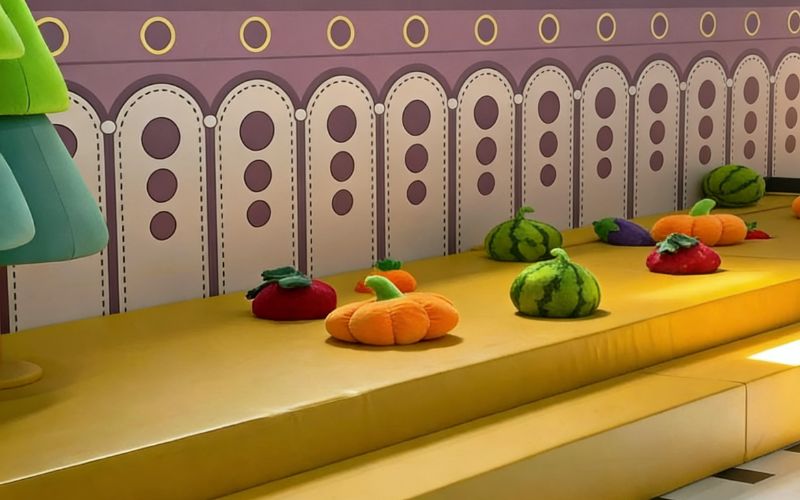
Children do not just play to burn off energy; they play to understand the world around them. When I design commercial indoor play environments, my focus goes far beyond standard slides and basic ball pits. I look at how every surface, sound, and lighting choice shapes a child’s neurological development.
Sensory play in commercial indoor environments involves integrating specific equipment that engages the seven senses. We often think of the basic five—sight, smell, sound, taste, and touch. However, we must also cater to the vestibular sense (balance and movement) and the proprioceptive sense (body awareness). When children engage these systems through physical play, they build vital neural pathways that improve motor skills, language development, and emotional regulation.
This neurological link makes intentional design critical for children with different sensory processing needs. A child seeking heavy sensory input might need deep pressure activities to feel calm and centered. Conversely, a child who easily experiences sensory overload requires a predictable, quiet space to decompress. If a facility only caters to loud, high-energy physical activity, it actively excludes a massive demographic of families.
Your ultimate goal must be building a balanced space for all children. By strategically selecting the right mix of equipment, you create an inclusive, thriving environment that keeps families coming back. Let us break down exactly how to select, source, and layout the best sensory components for your facility.
Visual Sensory Equipment: Stimulating the Sight
Designing for visual engagement requires a delicate balance between captivation and overstimulation. You must select equipment that draws the eye without flooding the brain with chaotic light patterns.
Light Panels and Interactive Walls
I consistently recommend integrating LED technology for color recognition and visual tracking exercises. You can mount sturdy, low-heat LED light panels directly onto facility walls, allowing children to place translucent colored shapes over the light source. This simple activity promotes focus and early understanding of color theory. For children who easily become overwhelmed, fiber optic sprays offer incredible benefits. Because the glowing strands carry light but no electricity or heat, children can safely wrap themselves in the cables, receiving calming, predictable visual input.
Mirror Play and Infinite Depth
Mirrors are powerful tools for building visual processing skills and self-awareness in toddlers. You must use shatterproof, soft-frame mirrors strategically placed at ground level so crawling infants can engage with their reflections. For older children, installing infinity tunnels creates a fascinating sense of mystery. These wall-mounted units use parallel mirrors and LED lights to create an optical illusion of a never-ending tunnel, which encourages deep visual focus and concentration.
Projector Systems and Digital Floors
Digital integration offers incredible versatility for indoor play spaces. Motion-activated projector systems cast imagery onto the floor, allowing children to step on virtual bubbles or scatter digital autumn leaves, which reinforces cause-and-effect learning. The greatest advantage of these systems is your ability to change scenes to prevent over-stimulation. You can program the floor to display a high-energy soccer game during busy Saturday mornings, and then switch to a calm, slow-moving koi pond during dedicated sensory-friendly hours.
Tactile Equipment: Exploring Touch and Texture
Touch grounds children in their physical environment and helps them develop essential fine motor skills. We must provide diverse tactile experiences that go beyond smooth plastic and standard vinyl padding.
Sensory Wall Panels and Activity Boards
You must incorporate a wide variety of materials, such as sanded wood, brushed metal, and ribbed silicone, into your wall panels. Mixing these temperatures and textures helps children map out different sensory inputs in a safe setting. Activity boards featuring heavy-duty latches, interlocking gears, and zip textures are excellent for fine motor practice. By mastering these mechanical elements, children build the hand strength required for writing and tying their shoes.
Ball Pits and Soft Play Gradients
Standard ball pits offer much more than just a place to jump; they provide significant deep pressure benefits. When a child wades through thousands of crush-resistant plastic balls, the resistance calms the nervous system through whole-body compression. You should also implement textured mats and tactile walking paths throughout the facility for foot-based input. Creating a gradient pathway that transitions from soft memory foam to rigid, bumpy rubber tiles challenges a child’s sensory expectations with every step.
Sand and Water Simulation Tables
Real sand and water create maintenance nightmares in commercial indoor facilities, but simulation tables provide the perfect solution. Kinetic sand stations allow for indoor-safe tactile exploration, letting children pack, mold, and slice the material without leaving a dusty residue. Alternatively, liquid floor tiles act as a sealed, mess-free water alternative. These heavy-duty polycarbonate tiles contain colored gels that ooze and react to pressure, giving children the satisfying visual and tactile feedback of splashing in puddles without the slipping hazard.
Auditory and Olfactory Components: Sound and Scent
Managing the invisible elements of sound and scent separates a mediocre playground from an exceptional, inclusive facility. You must design soundscapes and ambient environments with profound intention.
Musical Play Panels
Integrating durable, tuned instruments into your play structures allows children to explore pitch and rhythm safely. You can mount commercial-grade chimes, bongo drums, and xylophones securely to padded walls. However, you must pair these instruments with sound-dampening materials to manage the total room volume. I recommend installing acoustic baffles directly above the musical zone to absorb high-frequency sounds before they echo throughout your facility.
Soundproof Pods and Quiet Zones
Every indoor playground absolutely needs a dedicated space for auditory relief. You can build soundproof pods using thick acoustic foam and soft upholstery to create “recharge” areas for overwhelmed children. These pods should feature low, warm lighting and comfortable seating. Within these zones, use commercial white-noise machines for children who are highly sensitive to loud echoes. The gentle, consistent static masks the chaotic noise of the main play floor, allowing the nervous system to reset.
Scented Wall Modules (Optional Feature)
While less common, controlled olfactory stimulation provides incredible grounding effects for neurodivergent children. Scented wall modules use safe, passive air diffusion to release subtle aromas in specific zones. You can use calming infusions like lavender or peppermint to regulate your mood in your quiet areas. If you choose to install these modules, ensure they operate entirely independently from your main HVAC system to prevent scents from bleeding into the high-energy zones.
Vestibular and Proprioceptive Gear: Movement and Balance
To build a truly functional sensory environment, you must provide equipment that challenges a child’s inner ear and spatial awareness. Movement and heavy resistance are the keys to physical self-regulation.
Swings and Rocking Equipment
Swinging offers intense vestibular input that helps children organize their brains and focus their attention. Therapeutic pod swings made from heavy-duty canvas provide a comforting enclosure and predictable rhythmic motion. For children who prefer to keep their feet near the floor, balance beams and wobble boards are essential for core stability. I prefer to use wide, low-to-the-ground wobble boards with non-slip grip tape to ensure children can safely test their balance thresholds.
Climbing Structures and Tunnels
Climbing naturally engages the proprioceptive system as children push and pull their own body weight. You should design structures with distinct incline ramps to build gravitational awareness and joint strength. Incorporating darkened, enclosed crawling tunnels introduces spatial navigation challenges. When children navigate a tight, dark tunnel, they must rely on their physical body awareness rather than their eyesight to reach the exit successfully.
Weighted Play Items and Trampolines
Heavy work activities act as a neurological anchor for children who struggle with sensory processing. The benefits of commercial mini-trampolines are profound; the repetitive, high-impact jumping sends organizing signals directly to the joints and muscles. In your quiet zones, provide floor cushions with extra weight for grounding. A child can drape a heavy, weighted lap pad over their legs while sitting, which helps lower their heart rate and reduce physical anxiety.
Planning the Layout: Creating a Cohesive Sensory Experience
You can purchase the best equipment in the world, but if your layout is flawed, the sensory experience will fail. Strategic floor planning ensures your facility flows naturally and safely.
Zoning for Success
You must physically separate high-energy zones from calming retreats. Never place a loud musical panel directly next to a quiet recharge pod, as the conflicting inputs will distress the children using the calming space. Use distinct floor transitions to signal a change in play type. For example, the transition from bright blue rubber flooring in the active climbing area to a muted, soft gray carpet as families step into the sensory-friendly relaxation zone.
Safety and Durability Standards
Commercial environments endure brutal wear and tear, so your material choices must prioritize both safety and longevity. You must choose non-toxic materials, strictly utilizing BPA-free plastics and medical-grade vinyl for all padded surfaces. Furthermore, strict compliance with ADA (Americans with Disabilities Act) accessibility rules is non-negotiable. Ensure your pathways are wide enough for wheelchair turning radii, and include transfer stations so children with mobility aids can easily access ball pits and tactile walls.
Maintenance and Hygiene
Sensory equipment often features intricate grooves and textures that trap dirt faster than smooth slides. You must implement rigorous cleaning protocols for complex textures and ball pits, utilizing commercial ball-washing machines and electrostatic sanitizing sprayers. Additionally, your staff must conduct daily checks for wear and tear on electrical sensory components. Frayed wires on a light panel or cracked acrylic on a liquid floor tile pose immediate safety hazards that demand instant replacement.
FAQs
What is the difference between a sensory room and a sensory playground?
A sensory room is typically a small, highly controlled, and enclosed environment used primarily for therapy or decompression. It focuses on gentle visual, auditory, and tactile inputs. A sensory playground is a larger, active public space that integrates these sensory concepts into gross motor play. The playground allows children to run, climb, and jump while seamlessly accessing the specific sensory inputs they crave.
How does sensory equipment help children with autism in a public setting?
Public settings are naturally unpredictable and loud, which frequently triggers sensory overload in children with autism. Sensory equipment provides them with tools to self-regulate. A deep-pressure squeeze roller or a quiet acoustic pod provides a child with a safe mechanism to calm their nervous system without leaving the facility entirely.
What are the most durable materials for high-traffic indoor playgrounds?
For high-traffic commercial areas, you should rely on high-density polyurethane foam covered in 18-ounce, fire-retardant, and antimicrobial PVC vinyl. For rigid structures, rotational-molded high-density polyethylene (HDPE) plastics and powder-coated galvanized steel framing offer the highest resistance to daily commercial abuse.
How much space is needed to add a sensory section to an existing facility?
You do not need a massive footprint to create an effective sensory zone. A dedicated area as small as 200 to 300 square feet is sufficient to add a cluster of tactile wall panels, a weighted seating area, and an infinity mirror. The key is ensuring this space is visually and acoustically separated from your main active play floor.
Are there age-specific sensory tools for toddlers versus older children?
Yes. Toddler sensory tools focus heavily on ground-level visual tracking, basic cause-and-effect (like hitting a large button to make a sound), and soft tactile exploration. Older children require complex vestibular challenges, such as advanced balance boards, heavy resistance climbing walls, and intricate mechanical puzzle panels that challenge their developed fine motor skills.
How can playground owners measure the ROI of sensory equipment?
You measure the return on investment through increased membership retention, longer facility dwell times, and an expanded target demographic. Facilities with inclusive sensory equipment frequently secure lucrative weekday group bookings from local special education programs, occupational therapy clinics, and parent support groups that would otherwise avoid standard, chaotic play centers.
Final Thoughts: Designing for Inclusivity
Successfully building a commercial indoor play space demands a comprehensive, multi-sensory approach. When you engage a child’s visual, tactile, auditory, vestibular, and proprioceptive systems, you give them the physical and neurological tools they need to thrive. You create an environment where a child can safely test their boundaries, self-regulate their emotions, and engage in deeply meaningful play.
I highly encourage playground owners to consult directly with pediatric occupational therapists and child development experts during the drafting phase of their floor plans. These professionals will help you identify potential sensory bottlenecks and ensure your equipment selections offer true developmental value.
Reiterate to your investors, your staff, and your community that sensory play isn’t just a fleeting industry trend. It is a fundamental design standard. By embracing these principles, you establish your facility as a safe, engaging, and genuinely inclusive destination for every family that walks through your doors.