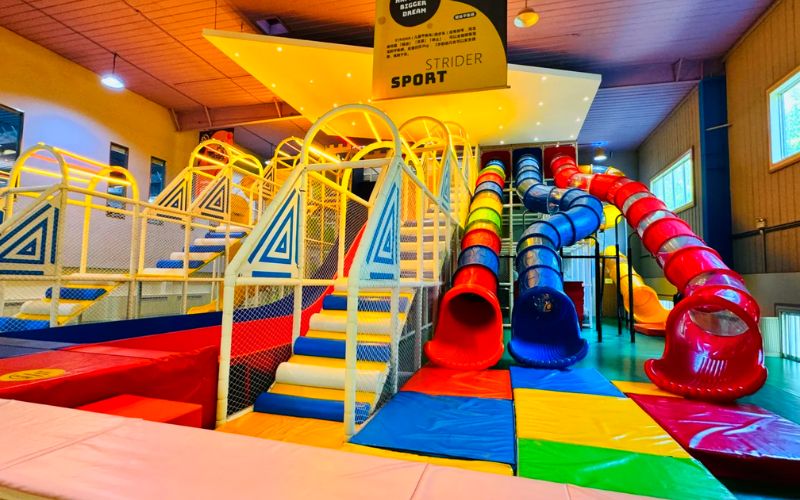
Indoor playgrounds have become incredibly popular in recent years. Children and their families are thrilled by the chance to climb, slide, and explore in a safe, engaging environment. Playing in these structures is not only fun, but it’s also a fantastic way for kids to develop physically and socially. Active play has several health benefits, including building motor skills, improving strength, and enhancing social interaction.
Whether you’re considering opening an indoor playground or looking to improve an existing one, now is an excellent time to get started. Parents are always searching for healthy and entertaining activities for their children. Similarly, communities are looking for family-friendly destinations. Owning a commercial indoor playground can be a rewarding, profitable venture, especially as the family entertainment industry continues to expand.
Insights Into How to Start an Indoor Playground
Before starting an indoor playground or upgrading your current one, you need a solid plan. While it may seem straightforward, there’s a lot to consider. To develop a strong indoor playground business plan, you must know:
- What you will need to operate your business
- Who your customers will be
- Who will serve your customers
In this guide, we’ll walk you through how to open an indoor playground, covering everything from design tips to equipment costs and funding. We’ll also examine trends and exciting ideas for enhancing your playground. Building an indoor playground requires a passion for fun and a strong drive for success.
It also demands solid business knowledge and the financial resources to support your efforts. Once you see the smiles on your customers’ faces and the revenue begins to flow, you’ll be glad you took this exciting step.
1. How Does an Indoor Playground Make Money?
An indoor playground business primarily earns money by charging customers an admission fee for a set amount of playtime. For instance, you might charge a fee for a two-hour play session or offer day passes. You could also require customers to purchase special grip socks. Lastly, you can provide snacks and drinks, or host birthday parties and private events to further increase your profits (and keep your guests happy and energized!).
2. Who Will Be the Target Market?
Indoor playgrounds offer fun and active play for children, toddlers, and their families. These venues are primarily child-focused, offering the perfect solution for parents seeking a safe, stimulating activity for their kids. Additionally, children love birthday parties at indoor playgrounds, and parents appreciate the convenience of hosting them outside their own home.
Overall, families with disposable income will be your primary target market.
3. What Location Is Best?
The best way to find the ideal location for your indoor playground is to start by researching the competition. Competition can be intense in a city with many family entertainment centers, so it might be best to distance your facility from those locations. However, many cities and towns still lack indoor playgrounds, which present a perfect opportunity for those looking to enter the market. Even a location that’s a bit out of the way can attract customers, as most families are willing to drive for a unique and fun experience.
You must also consider the building you plan to use and ensure it’s suitable for an indoor playground. Naturally, these facilities require high ceilings and a large, open space to accommodate multi-level play structures. A former retail store or warehouse could be the perfect spot.
Other areas to consider when choosing your location include whether ample parking will be available for your customers and what the nearby businesses are. For example, if you can lease a large building near a family-friendly shopping center, parents will appreciate the convenience of combining errands and playtime in one trip.
How to Design and Build an Indoor Playground
Based on industry best practices, business owners should look for a building with at least 10,000 square feet to accommodate play structures and other amenities. Ensure the ceiling height is at least 14 feet, measured from the floor to the lowest overhead obstruction. Higher ceilings are generally better, but meeting this minimum requirement is a good start.
On average, most indoor playgrounds are between 15,000 and 25,000 square feet. About 50 to 60 percent of the building’s total square footage should be dedicated to the play area. With the extra space, you’ll have room for a reception area, party rooms, restrooms, and a café. You should design the layout to keep food areas, restrooms, and check-in separate from the main play zone.
Equipment Selection and Safety
The main play structure is the heart of your playground. It will likely consist of multiple connected levels with slides, tunnels, climbing features, and interactive elements. These structures should be surrounded by soft flooring and safety netting to ensure children are protected as they play. All equipment must meet current safety standards, such as those set by ASTM International.
To build your indoor playground, you’ll first want to find a reputable manufacturer. Leave it to the professionals: a playground builder will use licensed contractors, engineers, and installers to ensure they create a durable, high-quality, and compliant play space. Alternatively, you might be able to purchase an existing family entertainment center so you do not need to build an entirely new playground from the ground up.
Understanding Indoor Playground Costs: What You’ll Need to Budget
The first step to funding your indoor playground is developing a comprehensive business model. An indoor playground business model states what your company offers that is of value to customers, in a way that sets you apart from your competitors. It should also include startup costs, your sources of funding, your marketing strategy, and projected revenue and expenses.
To help you start planning your business’s financial aspects, let’s look at how much it generally costs to build an indoor playground.
1. How Much Does It Cost to Build an Indoor Playground?
When we examine how much indoor playgrounds cost and consider the initial setup, the biggest price point is the play equipment itself. The bulk of the cost will be for a custom-designed structure that fits your building’s configuration. You will normally incur the following costs for equipment and supplies:
- Play Structures: This is your largest investment. The price is determined by the equipment’s size, complexity, and features.
- Ancillary Play Items: You may want to include a toddler area, interactive games, or other attractions. These can range from a few thousand to tens of thousands of dollars.
- Furniture and Fixtures: This includes seating for parents, party room tables and chairs, and reception desks.
- Refreshments: To get started, stocking drinks and snacks can cost a few thousand dollars. Standard options include bottled water, juice boxes, pre-packaged snacks, coffee, and simple-to-prepare foods like pizza or hot dogs.
- Grip Socks: Depending on the quality and quantity you purchase, branded grip socks can cost a few dollars per pair.
To save on manufacturing costs, contact several suppliers and get quotes so you can compare them before making a choice. You’ll be off to a good start if you can find a building that already meets the space requirements for your indoor playground.
2. What Funding Options Do You Have?
There are several ways to find funding for your indoor playground. Every year, thousands of entrepreneurs open new businesses with a little help. Here are just a few financing options for your business:
- Use your savings: The most straightforward way to finance a business is to use your checking or savings account. Though it’s a significant out-of-pocket expense, using your own money demonstrates your commitment to potential investors, which may help you secure additional funding later. You might also sell personal assets to fund your business.
- Use credit cards: Credit cards can be useful for purchasing necessary business items, but remember, they carry high interest rates. If you use credit cards, choose one that offers a business rewards program to get something back from your spending.
- Get a bank loan: You may be able to obtain a bank loan for your business, but these can be challenging to secure. A positive aspect of a bank loan is that they typically have lower interest rates than a credit card.
- Borrow from friends or family: Borrowing from friends or family is a popular option for business owners and can be an easy way to get funding. Be sure to sit down with them and formalize the loan terms, including the amount borrowed, interest charged, and repayment schedule. Put everything in writing for reference.
- Apply for a Small Business Administration (SBA) loan: You may be eligible for an SBA-guaranteed loan. Through the SBA, you might borrow a significant amount, often enough to start an indoor playground. Certain restrictions apply, and you must comply with SBA standards. An SBA lender can guide you through the process if you choose this route.
- Get a microloan: If you have most of the funds you need but have a small gap, you may be eligible for a microloan. Microlenders, rather than banks, are usually more flexible about loan requirements. However, they tend to charge slightly higher interest rates than banks.
- Reach out to an angel investor: If you can’t get a loan or don’t have enough assets, you may be able to find someone interested in investing in your business. An angel investor is an individual who invests in your business, usually in exchange for an equity stake in the new company.
- Use crowdfunding: You might consider using a crowdfunding website to raise money. Friends, family, and strangers can use the site to donate money and help you reach your goal. It helps to promise donors something in return, and you’ll need a compelling story to generate excitement about your business.
Franchise vs. Starting an Indoor Playground from Scratch
Opening an indoor playground franchise might be the way to go for individuals who want to benefit from an established business with a well-known brand name. However, startup costs are usually higher for opening a franchise than starting a business from scratch. The advantages of owning a franchise include:
- Widespread brand awareness
- Access to an established customer base, which could otherwise take years to build
- An increased chance of success because you’ll use proven methods and products
- Assistance with site selection, construction, financing, training, and grand opening
- Ongoing support for advertising, management, and more
Owning a franchise indeed offers many benefits. However, when you operate a franchise, you are only partially independent.
If you prefer to set the rules, start your own indoor playground. When you have complete ownership of your business, you’ll enjoy the following benefits:
- Freedom to choose the products and services you offer
- No initial franchise fee
- No ongoing royalty or advertising fees
- Freedom to manage your business as you wish
- No restrictive franchise agreement
Starting your indoor playground from scratch might be best if you want complete business freedom. However, if you are willing to pay higher upfront costs and accept certain restrictions in exchange for additional support, a franchise can be a profitable, supportive path.
Safety Regulations and Insurance Needs
When setting up an indoor playground, it is crucial to understand and adhere to safety regulations, such as the ASTM standards for public play equipment. These provide extensive, relevant information, including in-depth safety requirements for playground design, construction, routine inspection, and general maintenance.
Certain vital aspects to consider include:
- Design and construction: Your playground must be designed to prevent injuries, with features like appropriate surfacing, guardrails, and enclosed-track slides.
- Inspection and maintenance: Regular inspections of park equipment are required. You must then rectify any potential hazards promptly. You should also have proper, compliant maintenance protocols to ensure equipment remains safe and in good working order.
- Operational requirements: You must train staff in safety procedures and ensure they know what to do in emergencies. You should also include clear signage and safety instructions that are easily visible to all park users.
Insurance is another critical component to put in place before you open your doors for business. Your indoor playground should have comprehensive liability insurance to cover potential accidents or injuries. Insurance types include:
- General liability insurance: Covers any bodily injury and property damage claims.
- Product liability insurance: Protects you against any claims related to equipment defects.
- Workers’ compensation insurance: Covers employee injuries while on the job.
Business Licensing and Legal Considerations
Obtaining the right business licenses and permits for an indoor playground involves complying with local, state, and federal regulations. If you need insights into specific licensing requirements for your area, consult the SBA guide on license applications. In general, there are a few critical licenses and permits you’ll likely need:
- Business license: The first step to legally operating your playground is to obtain a general business license from your local government.
- Zoning permits: You must ensure your chosen location is zoned for recreational or commercial use. Otherwise, you’ll need to apply for a zoning variance or special permit.
- Building permit: This may be required if you’re constructing a new building or making major modifications to an existing one.
- Health and safety permits: These confirm your park meets hygiene and safety standards, and they are particularly important if you plan to sell food and beverages.
Apart from licenses and permits, you’ll need to consider certain legal matters and requirements, which are equally important. Some top items to be aware of include:
- Liability waivers: As a precaution, make sure anyone using your indoor playground signs a liability waiver. These documents can help protect your business if a legal issue arises.
- Employment laws: You must know and comply with local and federal employment laws, including fair labor standards, workers’ compensation, and anti-discrimination laws.
Securing the necessary licenses and permits and adhering to legal requirements allows you to operate your indoor playground smoothly and efficiently and avoid potential legal issues.
Staff Training and Management
To create a successful indoor playground, you should develop a comprehensive training program for your employees. Well-trained staff help ensure the safety of your guests and enhance the overall customer experience. The top things to consider when compiling your staff training programs are:
- Safety training: Train staff in all safety protocols, including monitoring play areas, emergency response procedures, and first aid. You should also conduct regular refresher courses to help keep safety a top priority in employees’ minds.
- Operational training: All your employees should be well-versed in the park’s daily operations. This includes opening and closing procedures, equipment checks, and handling customer inquiries and transactions.
- Customer service training: It’s essential to emphasize friendly and professional customer interactions. Training should cover elements such as effective communication, conflict resolution, and creating a welcoming environment for all guests.
By investing in staff training and management, you can create a safer, more enjoyable, and memorable experience for your customers, which is crucial for the long-term success of your indoor playground. You can go beyond basic staff training and implement the following strategies for quality customer service:
- Incentive programs: Incorporate incentive programs that reward excellent customer service and adherence to safety protocols to keep your team motivated.
- Regular feedback: Create a system to collect and act on customer feedback about employees. This will help you identify areas that require improvement while recognizing staff who perform well.
- Team building: Host regular staff meetings and foster a positive, cohesive environment by incorporating team-building exercises. This will improve morale, increase collaboration, and foster better relationships.
How to Market Your Indoor Playground and Grow Your Business
Because indoor playgrounds appeal to families, you’ll want to market your business to parents and caregivers to maximize your revenue. Targeting different local groups and holding events throughout the week to appeal to various needs is best.
For example, you might offer toddler-only hours in the morning or special needs play sessions. For school-aged kids, you can promote birthday party packages. You can promote every class and event where your target audience spends time, such as at local libraries, daycares, or community centers. These special sessions, parties, and events will keep customers coming back to help your business grow. Other marketing ideas and techniques for your indoor playground include:
- Put up signs and fliers in community spaces.
- Hand out brochures at local family-friendly events.
- Give away discount coupons to encourage people to visit your playground.
- Advertise on your website.
- Use social media to post photos and videos.
- Manage your business reviews on Google and Yelp.
- Partner with other local businesses, like pizzerias or ice cream shops.
- Invest in email marketing to promote offers to past visitors.
Indoor Playground Tips, Trends, and Ideas
Whether you’re just getting started or have owned an indoor playground for years, these tips will boost your business to the next level.
1. Improve Your Ticket System
Many customers appreciate the convenience of purchasing tickets online. To appeal to all customers, set up an efficient system that lets them buy tickets quickly and securely online and on-site. Make it easy for customers to select the date, time, and number of tickets. Also, allow customers to sign digital waivers so they can start playing the moment they arrive. You might encourage customers to book online to ensure they get a spot before you reach capacity.
2. Offer Competitive Deals
Offer customers exceptional deals and stand out from the rest. You can boost sales and attract large groups by offering discounts for group purchases.
Consider offering deals for monthly or annual passes and encourage customers to sign up in advance.
Remember to include enticing package deals for special events, such as birthday parties, to attract a wide range of customers. Outline everything a party package includes on your site and its cost so customers can make decisions quickly. Include items such as party favors, food, and any other items that come with the package. Consider giving customers the option to upgrade or customize packages. Find ways to make your indoor playground the perfect setting for a memorable celebration.
3. Upgrade Your Food Options
Make sure to offer food that kids and adults love, including healthy items, to appeal to a broader audience. Today’s consumers are more conscious of healthy eating, so they think beyond just pizza and candy.
Consider ways to increase food sales. For example, you might give customers the option to add food packages to their admission tickets at a discounted price. Let customers know exactly how much they’ll save upfront, and advertise your food deals online and in your facility.
4. Offer Innovative Equipment
Your equipment is the most crucial element of your indoor playground. If you offer unforgettable ways for kids to have fun, their families will be back for more adventures. Choosing new, exciting equipment will also make you stand out from other playgrounds, especially if customers have an experience they can’t find anywhere else.
You can make full use of your space by adding a variety of equipment and engaging activities for kids and families. For example, you could install interactive electronic games that challenge players to stomp, jump, and tag lights for a high score. These freestanding play elements can add a memorable touch to your park and can be the factor that makes a family choose your facility over competitors.
Make Your Indoor Playground Even Better With Soft Play
Entrepreneurs need to set themselves apart from the competition if they want their business to thrive.
So, if you’re ready to start an indoor playground or upgrade your current park, you must determine what will make customers choose your park over another. How can you differentiate yourself and offer a unique experience that will keep customers coming back?
One way to boost the fun level and encourage customers to return is to offer adventurous, innovative indoor play equipment. At Soft Play, we have what you need to build an unforgettable indoor playground.
We offer creative, non-traditional play structures and equipment to make kids cheer with delight and to help grow your business. For example, you can make your playground a place where kids can bounce and balance through a challenging obstacle course, play on an interactive game floor, or climb up a unique structure.
We also offer many large and small contained play systems to keep kids and parents happy and active for hours.