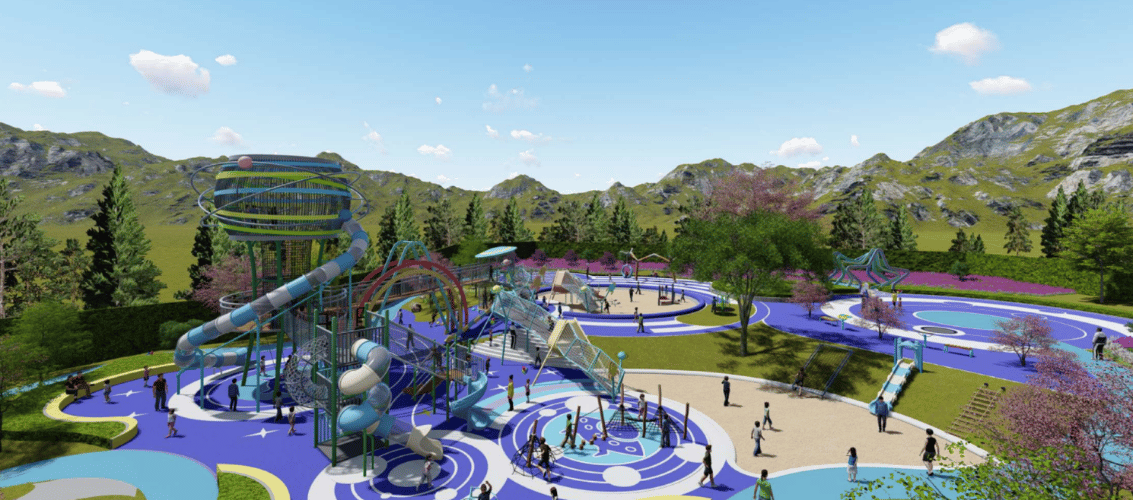
Spiral slides are a standout feature in modern playgrounds, offering both excitement and functionality. The materials used in their construction are critical to ensuring safety, durability, and aesthetic appeal. From robust metals to innovative plastics, each material contributes unique properties that enhance the performance and longevity of spiral slides. With advancements in material technology, manufacturers can now create slides that are not only visually appealing but also capable of withstanding environmental challenges. This blog explores the key materials used in spiral slide manufacturing and their defining characteristics, helping buyers make informed decisions when investing in high-quality playground equipment.
Steel
Steel is a widely used material in the manufacturing of spiral slides due to its strength, durability, and versatility. As an iron-carbon alloy with a carbon content between 0.02% and 2.11%, steel offers excellent mechanical properties, making it ideal for creating safe and long-lasting playground equipment.
Carbon Steel
Carbon steel is commonly used in spiral slide construction and is categorized based on its carbon content:
- Low Carbon Steel: With a carbon content below 0.25%, it is highly ductile, tough, and easy to weld. This makes it suitable for structural components that require complex shaping and welding.
- Medium Carbon Steel: Containing 0.25% to 0.6% carbon, it offers a balance of strength and toughness. After heat treatment, it is often used for parts that require durability, such as slide supports and connecting elements.
- High Carbon Steel: With over 0.6% carbon, it is strong and wear-resistant but less ductile. It is typically used for components that experience high friction or wear.
Alloy Steel
Alloy steel, which includes additional elements like manganese or chromium, is also used in spiral slides for its enhanced mechanical properties. It is divided into:
- Low Alloy Steel: With less than 5% alloy content, it provides good weldability and strength, making it suitable for slide frames.
- Medium and High Alloy Steel: These are used for specialized components requiring high corrosion resistance or specific physical properties.
Steel Pipes and Plates
Spiral slides often use high-frequency welded steel pipes for their structural framework. These pipes are strong, elastic, and easy to bend, allowing for the curved shapes required in slide designs. Common pipe diameters range from ∮14mm to ∮36mm, with wall thicknesses of approximately 1.5mm. Steel plates, typically 0.8mm to 3mm thick, are used for slide surfaces and must meet national standards for strength and durability.
Surface Treatments
To enhance the longevity and appearance of spiral slides, steel components undergo surface treatments such as galvanization, powder coating, or painting. These treatments protect against corrosion, enhance wear resistance, and enable vibrant color finishes, ensuring both safety and aesthetic appeal.
By combining strength, flexibility, and protective treatments, steel remains a key material in the construction of spiral slides, ensuring durability and safety in playground environments.
Stainless Steel
Stainless steel is a highly durable and versatile material widely used in the construction of spiral slides. Known for its excellent corrosion resistance, strength, and aesthetic appeal, stainless steel ensures the safety, longevity, and visual quality of playground equipment.
Material Characteristics
Stainless steel is an alloy primarily composed of iron, chromium (at least 10.5%), and other elements such as nickel and molybdenum. The chromium content forms a passive oxide layer on the surface, providing exceptional resistance to rust and corrosion, even in outdoor environments. This makes stainless steel ideal for spiral slides exposed to varying weather conditions.
Types of Stainless Steel
- Austenitic Stainless Steel: This is the most commonly used type for spiral slides. It contains high levels of chromium and nickel, offering excellent corrosion resistance, high ductility, and a smooth surface finish. Grades such as 304 and 316 are particularly popular, with 316 providing enhanced resistance to saltwater and harsh environments.
- Ferritic Stainless Steel: With lower nickel content, this type is more cost-effective while still offering good corrosion resistance. It is suitable for less demanding applications in slide construction.
- Duplex Stainless Steel: Combining the properties of austenitic and ferritic stainless steel, duplex grades provide superior strength and corrosion resistance, making them ideal for high-stress components.
Structural Components
Stainless steel is used in various parts of spiral slides, including:
- Slide Surface: The smooth, polished stainless steel surface ensures a safe, fast slide while being easy to clean and maintain.
- Support Framework: Stainless steel pipes and profiles provide the structural integrity needed to support the slide’s weight and ensure stability. These components are often designed to strike a balance between strength and flexibility to accommodate the slide’s curved shape.
Surface Treatments
To enhance the appearance and durability of stainless steel spiral slides, surface treatments such as polishing, brushing, or passivation are applied. These treatments improve the material’s resistance to wear and corrosion while creating a sleek, modern aesthetic.
By combining strength, corrosion resistance, and a polished finish, stainless steel is an ideal material for spiral slides, ensuring safety, durability, and a visually appealing design in playground environments.
Aluminum Alloy
Aluminum alloy is a lightweight and durable material widely used in the construction of spiral slides. Its excellent mechanical properties, corrosion resistance, and ease of processing make it an ideal choice for creating safe and visually appealing playground equipment.
Material Characteristics
Pure aluminum has a low density of approximately 2.7g/cm³, making it significantly lighter than other metals like steel. It has a melting point of 660°C and a face-centered cubic lattice structure, which gives it high plasticity and allows for various processing methods. Aluminum naturally forms a dense oxide film on its surface, providing excellent resistance to oxidation and corrosion, even in outdoor environments.
Types of Aluminum Alloys
- Forged Aluminum: Known for its strength and durability, it is often used in structural components of spiral slides.
- Anti-Rust Aluminum: This type offers superior corrosion resistance, making it suitable for outdoor slides exposed to moisture and weather.
- Hard and Super Hard Aluminum: These alloys provide enhanced strength and wear resistance, ideal for high-stress areas of the slide.
- AI-Mg-Si Alloys: Commonly used in playground equipment, these medium-strength alloys offer high corrosion resistance, excellent welding performance, and no tendency to stress corrosion or fracture.
Structural Components
Aluminum alloy is used in various parts of spiral slides, including:
- Slide Surface: The smooth and lightweight aluminum surface ensures a safe and fast sliding experience while being easy to clean and maintain.
- Support Framework: Aluminum pipes and profiles provide the necessary structural strength while keeping the overall weight of the slide low. These components can be rolled or shaped into various forms to meet design and functional requirements.
Surface Treatments
To enhance durability and appearance, aluminum alloy components undergo surface treatments such as anodizing, powder coating, or painting. These treatments improve corrosion resistance, reduce wear, and allow for vibrant color finishes, ensuring both functionality and aesthetic appeal.
By combining lightweight properties, corrosion resistance, and design flexibility, aluminum alloy is an excellent material for spiral slides, ensuring safety, durability, and a modern appearance in playground environments.
High-Density Polyethylene (HDPE)
High-Density Polyethylene (HDPE) is a versatile and durable thermoplastic material widely used in the construction of spiral slides. Its excellent mechanical properties, resistance to environmental factors, and ease of processing make it an ideal choice for playground equipment.
Material Characteristics
HDPE has a density of approximately 0.93–0.97 g/cm³, making it lightweight yet strong. It has a melting point of around 130°C and exhibits high impact resistance, even at low temperatures. HDPE is non-toxic, UV-resistant, and highly resistant to moisture, chemicals, and abrasion, ensuring long-term durability in outdoor environments. Its smooth surface reduces friction, providing a safe and enjoyable sliding experience.
Types of HDPE
- Virgin HDPE: Made from pure polyethylene, it offers superior strength and durability, making it suitable for structural components of spiral slides.
- Recycled HDPE: An eco-friendly option, it retains most of the properties of virgin HDPE while promoting sustainability.
- UV-Stabilized HDPE: This type is treated to resist degradation from prolonged exposure to sunlight, ensuring color retention and material integrity over time.
Structural Components
HDPE is used in various parts of spiral slides, including:
- Slide Surface: The smooth and durable HDPE surface ensures a safe, fast, and comfortable sliding experience. Its resistance to wear and weather makes it ideal for outdoor use.
- Side Panels and Barriers: HDPE is often used for protective barriers and side panels due to its lightweight nature and ability to be molded into various shapes and designs.
Processing and Design
HDPE can be easily molded, cut, and welded into complex shapes, allowing for creative and functional slide designs. It is available in a variety of colors and finishes, enabling vibrant and visually appealing playground equipment. Additionally, HDPE’s non-porous surface makes it easy to clean and maintain, ensuring hygiene and safety.
By combining lightweight properties, durability, and design flexibility, High-Density Polyethylene (HDPE) is an excellent material for spiral slides, offering safety, longevity, and aesthetic appeal in playground environments.
Cast Iron
Cast iron is an iron-carbon alloy with a carbon content ranging from 2.11% to 4.0%. It is widely used in the construction of spiral slides due to its excellent mechanical properties, durability, and cost-effectiveness. Its ability to withstand high pressure and provide structural stability makes it an ideal material for specific components of playground equipment.
Material Characteristics
Cast iron has a relatively low melting point, making it easy to cast into complex shapes and structures. It offers good wear resistance, vibration damping, and cutting performance, ensuring durability and reliability in high-stress applications. Additionally, its simple production process and low cost make it a practical choice for manufacturing.
Types of Cast Iron
- Gray Cast Iron: Known for its excellent vibration damping and wear resistance, it is commonly used in components that require stability and durability.
- Forged Cast Iron: This type offers enhanced strength and toughness, making it suitable for load-bearing parts of spiral slides.
- Ductile Cast Iron: With improved ductility and impact resistance, it is ideal for components that experience dynamic forces or require flexibility.
Structural Components
Cast iron is primarily used in the following parts of spiral slides:
- Support Bases: The heavy and stable nature of cast iron makes it ideal for the bases of spiral slides, ensuring structural integrity and safety.
- Connecting Elements: Cast iron is used for joints and connectors that require high strength and wear resistance.
Surface Treatments
To enhance its durability and appearance, cast iron components are often treated with protective coatings such as powder coating, painting, or galvanization. These treatments prevent rust and corrosion, ensuring long-term performance in outdoor environments.
By combining strength, stability, and cost-effectiveness, cast iron is a reliable material for spiral slides, providing safety and durability in playground equipment.
Copper Alloy
Copper alloys, such as brass and bronze, are valued for their excellent mechanical properties, corrosion resistance, and aesthetic appeal. These materials are occasionally used in the construction of spiral slides, particularly for decorative or specialized components, due to their durability and unique appearance.
Brass
Brass is a copper alloy with zinc as the primary alloying element. It is divided into pressure-processed brass and cast brass. Brass offers excellent deformation ability, corrosion resistance, and a beautiful golden-yellow color, making it ideal for decorative elements in spiral slides. Cast brass, in particular, can be shaped into intricate designs through die casting, adding an artistic touch to playground equipment.
Tin Bronze
Tin bronze typically contains 3% to 14% tin. Tin bronze with less than 7% tin content has good plasticity, making it suitable for pressure processing, while tin bronze with up to 10% tin content has lower plasticity but higher strength, making it ideal for casting. Tin bronze has low casting shrinkage, making it suitable for complex shapes and high dimensional accuracy. Its excellent corrosion resistance and ability to achieve simple, elegant forms through casting make it a practical choice for decorative or structural components in spiral slides.
Applications in Spiral Slides
- Decorative Elements: Brass and bronze are often used for ornamental parts, adding a luxurious and elegant appearance to spiral slides.
- Structural Components: Tin bronze is occasionally used for cast components that require high strength and precision, such as connectors or joints.
By combining durability, corrosion resistance, and aesthetic appeal, copper alloys like brass and tin bronze enhance the functionality and visual quality of spiral slides, making them a unique and attractive choice for playground equipment.
Conclusion
The materials used in spiral slide manufacturing are carefully chosen to balance safety, durability, and design. From the strength of steel and stainless steel to the lightweight versatility of aluminum and HDPE, each material plays a vital role in creating slides that are both functional and visually appealing. By understanding the characteristics and applications of these materials, buyers can confidently invest in spiral slides that provide a safe, enjoyable, and long-lasting play experience for children. Choosing the right materials ensures that these playground staples remain a source of joy for years to come.