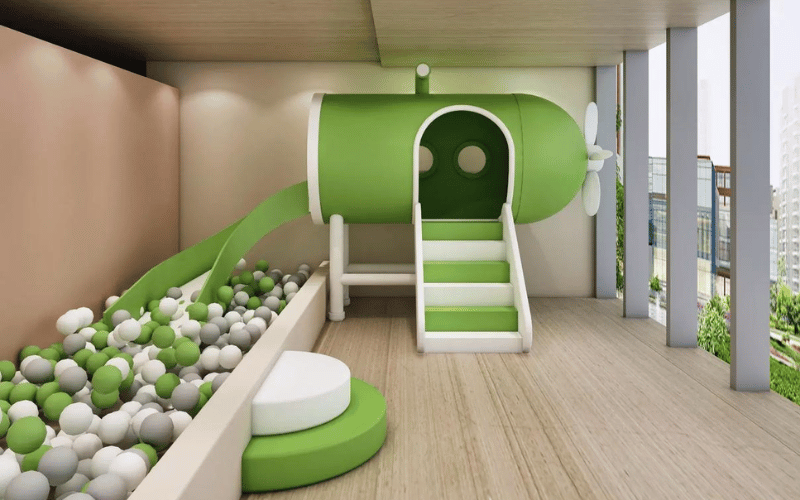
Indoor soft play equipment offers a safe and fun environment for children. Made from padded foam wrapped in durable materials like vinyl, these spaces encourage active and imaginative play while reducing the risk of injury.
Soft play areas are becoming increasingly popular. They provide a weather-proof solution for year-round play and support child development by improving motor skills, socialization, and creativity.
Businesses also see the value in soft play installations. From malls to entertainment centers, these spaces attract families and enhance customer experiences.
This guide will explore the benefits, design tips, and business insights to help you unlock the potential of indoor soft play equipment.
What Is Indoor Soft Play Equipment?
Indoor soft play equipment refers to specially designed play structures and features made from soft, padded materials to create a safe and engaging environment for children. These play areas typically include components such as climbing structures, tunnels, slides, and obstacle courses, all designed to promote physical activity, exploration, and fun while minimizing the risk of injury. The equipment is often tailored to different age groups, with gentle features for toddlers and more challenging elements for older kids.
In addition to physical play, indoor soft play equipment often offers opportunities for cognitive and social development, such as interactive panels, themed designs (e.g., jungles or castles), and sensory zones. These spaces are ideal for fostering creativity, problem-solving, and social interaction, making them a popular choice for family entertainment centers, schools, and childcare facilities.
What Are The Benefits of Indoor Soft Play Equipment?
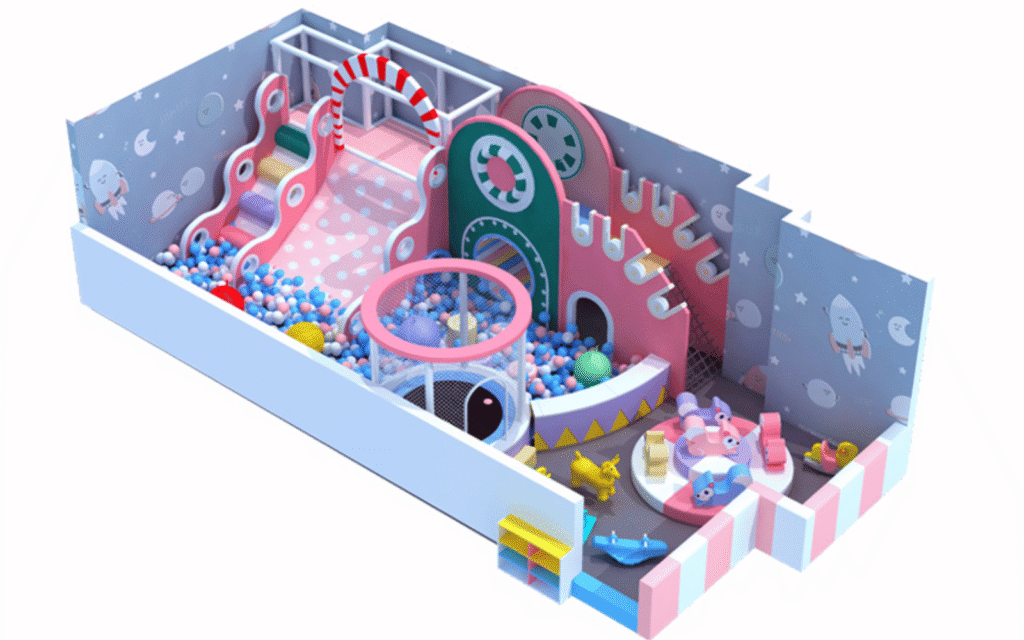
Indoor soft play equipment provides a dynamic environment that fosters children’s physical, cognitive, and social development. Physically, it promotes gross motor skills, balance, and coordination through activities like climbing, crawling, and sliding, all within a safe, padded space that allows kids to burn energy without risk of injury. These activities build muscle strength and physical confidence while keeping children engaged.
Cognitively and socially, soft play areas encourage problem-solving, imaginative play, and social interaction. Kids navigate obstacles, spark creativity in themed environments, and develop teamwork and empathy through shared play experiences. By blending fun with developmental benefits, indoor soft play equipment serves as a powerful tool for nurturing well-rounded, happy, and healthy children.
What Are the Types And Components Of Indoor Soft Play Equipment?
Indoor soft play equipment is a world of imagination brought to life. It’s designed to engage children in safe, creative, and active play. To truly understand its value, let’s break it down into its key types and components.
Types of Indoor Soft Play Equipment
1. Modular Play Structures
These are the heart of most indoor play areas. Think of them as a maze of tunnels, slides, and climbing frames, all wrapped in soft padding. Modular structures are highly customizable, allowing operators to adapt them to different spaces and themes.
For example, a jungle-themed play area might include vine-like climbing nets and treehouse-style platforms. The key here is versatility—these structures can grow or shrink depending on the available space.
2. Ball Pits
Ball pits are a timeless favorite. They provide sensory stimulation and encourage social interaction. The depth of the pit and the quality of the balls matter. Always opt for non-toxic, durable materials that can withstand heavy use.
3. Soft Play Shapes
These foam blocks, cylinders, and wedges are perfect for free play. They allow children to build, climb, and explore their creativity. Soft play shapes are especially popular in toddler zones, where safety is paramount.
4. Interactive Panels
Interactive panels, like spinning wheels, puzzles, or sensory boards, add an educational element to play. They’re ideal for quieter zones where children can engage their minds while taking a break from physical activity.
5. Inflatable Play Areas
Inflatables, such as bounce houses or obstacle courses, bring an element of excitement. They’re easy to set up and take down, making them a flexible option for temporary installations or events.
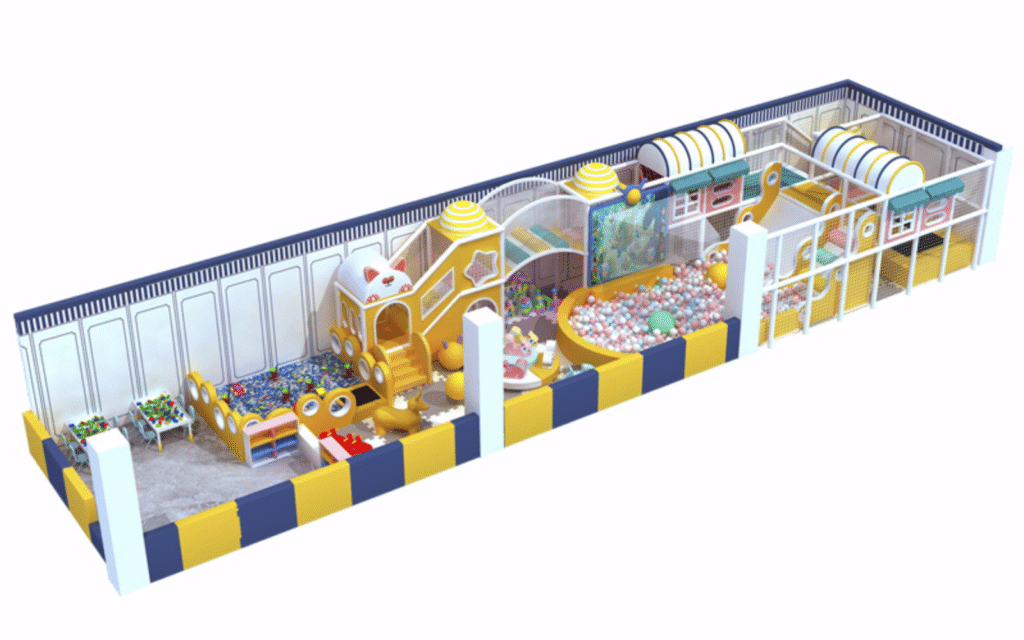
Key Components of Indoor Soft Play Equipment
1. Safety Padding
Every surface in a soft play area should be padded. This includes floors, walls, and even the edges of equipment. High-density foam covered with durable vinyl is the industry standard. It absorbs impact and prevents injuries.
2. Netting and Barriers
Netting is essential for keeping children safe within elevated play structures. Look for tightly woven, flame-retardant materials that can handle years of wear and tear. Barriers, like padded rails, are equally crucial for open platforms.
3. Slides and Tunnels
Slides and tunnels are the most dynamic components. Ensure they are made from smooth, durable materials with no sharp edges. Spiral slides and crawl-through tunnels add an extra layer of fun and challenge.
4. Flooring
The flooring in a soft play area is just as important as the equipment itself. Anti-slip, shock-absorbing mats are a must. They not only protect children but also make cleaning easier for operators.
5. Themes and Colors
The visual appeal of soft play equipment cannot be overstated. Bright, engaging colors and themed designs (like space, underwater, or castles) captivate children and enhance their play experience.
When selecting or designing indoor soft play equipment, always prioritize safety, durability, and engagement. Regular maintenance is non-negotiable—inspect padding, netting, and moving parts frequently to ensure everything remains in top condition.
Designing and Maintaining Your Indoor Soft Play Area
Creating an indoor soft play area is an exciting challenge. It requires careful planning, a focus on safety, and regular maintenance. Every choice you make—whether it’s about layout, materials, or upkeep—shapes the experience for children and ensures the space stays safe and fun.
Designing the Space
Start by assessing your available space. Measure the floor area and ceiling height to ensure the equipment fits comfortably. Multi-level structures require sufficient vertical clearance to prevent head bumps and ensure proper airflow.
Visibility is key for safety. Parents and staff should be able to see children at all times. Place taller structures in the center and keep lower elements along the edges. This layout avoids blind spots and makes the space feel open and inviting.
For a tailored solution, work with professional manufacturers. They can customize equipment to fit your space and needs. Modular designs are a great option—they let you expand or rearrange the play area as needed.
Prioritizing Safety
Safety is the foundation of any play area. Follow industry standards like ASTM and CPSC guidelines to ensure your equipment meets all requirements.
Choose materials that are fire-retardant and non-toxic. Foam padding, vinyl coverings, and adhesives should all meet safety certifications. Proper padding is essential in high-impact areas like slides and climbing walls.
Secure installation is just as critical. Every structure must be firmly anchored to prevent tipping or shifting. Regular checks during and after installation can help catch potential risks early.
Maintaining and Cleaning the Play Area
Keeping the play area clean and well-maintained is essential. Daily cleaning should focus on high-touch surfaces like handrails, slides, and interactive panels. Use non-toxic disinfectants to keep these areas safe for children.
Schedule weekly deep cleaning for hard-to-reach areas, such as the undersides of structures. Ball pits and foam structures need special care. Ball pits can collect germs, so sanitize the balls regularly using a ball-cleaning machine or by hand. Foam structures should be wiped down with gentle disinfectants that won’t damage the materials.
Routine safety inspections are just as necessary as cleaning. Check for loose bolts, torn padding, or worn-out surfaces. Fix these issues immediately to prevent accidents and keep the equipment in good condition.
Bringing It All Together
A well-designed and well-maintained indoor soft play area is more than just a fun space. It’s a safe, trusted environment where children can explore, grow, and play. By focusing on innovative design, strict safety measures, and regular upkeep, you create a space that families will love and return to again and again.
The Business of Indoor Soft Play
Indoor soft play areas are not just fun for kids—they’re a brilliant business opportunity. Whether you’re planning a stand-alone play center or adding a play area to an existing venue, understanding where to install, how to manage costs, and how soft play compares to other attractions is essential for success.
Choosing the Right Location
Soft play equipment is incredibly versatile, making it suitable for a variety of locations. Stand-alone play centers are a popular choice, offering families a dedicated space for safe and engaging play. These centers can become community hubs, drawing in repeat visitors and building a loyal customer base.
Malls and shopping centers are another excellent option. A soft play area can attract families, increase foot traffic, and encourage more extended visits, which benefits surrounding businesses. Similarly, gyms and family entertainment venues can use soft play areas to expand their offerings. While parents work out or enjoy other activities, kids can stay entertained in a supervised play zone.
Educational settings like schools and daycares also benefit from soft play installations. These spaces support physical and social development while providing a safe outlet for children’s energy. The key is to align the play area’s design and features with your target audience’s needs.
Understanding Costs and Revenue
Starting a soft play business requires careful financial planning. The initial investment in equipment and installation can vary depending on the size and complexity of the play area. Modular designs are a cost-effective option that offers flexibility for future expansion without requiring a complete overhaul.
Operating expenses include staffing, utilities, and insurance. Staff members are essential for supervising children, maintaining safety, and ensuring a positive experience for families. Utilities like lighting and air conditioning are ongoing costs, while insurance protects your business from liability and unexpected incidents.
Revenue streams for soft play areas are diverse and reliable. Admission fees are the most common, with options for single visits, memberships, or multi-visit passes. Party bookings are another lucrative source of income. Families are often willing to pay a premium for private access to the play area, along with party packages that include food, decorations, and entertainment. Concessions, such as snacks and drinks, can also boost revenue while keeping parents and kids happy during their visit.
Why Soft Play Stands Out
Compared to other attractions such as arcade games or complex play equipment, soft play offers unique advantages. Arcade games often appeal to older children and require constant maintenance to stay functional. While durable, complex play equipment may not provide the same level of safety or engagement for younger kids.
Soft play areas are specifically designed for younger children, with padded surfaces and age-appropriate challenges that encourage exploration and development. Parents appreciate the peace of mind that comes with knowing their children are playing in a secure environment. Additionally, soft play areas tend to keep children engaged for longer, increasing the likelihood that families will spend more on admission, food, and other services.
Why Soft Play is a Winning Business Model
Soft play areas combine safety, engagement, and profitability in a way that few other attractions can match. By choosing the correct location, managing costs effectively, and understanding the unique benefits of soft play, you can create a business that appeals to families and generates consistent revenue. With thoughtful planning and execution, a soft play area can become a cornerstone of your business, delighting children and parents alike.
Future Trends in Indoor Soft Play
The future of indoor soft play is being shaped by technology, sustainability, and inclusivity, creating more engaging, eco-friendly, and accessible spaces for children. Technological advancements such as interactive panels and augmented reality (AR) add layers of interactivity and cognitive stimulation, offering immersive, educational play experiences. Sustainability is also a key focus, with eco-friendly materials, energy-efficient designs, and modular equipment reducing environmental impact while appealing to eco-conscious families.
Inclusivity is becoming essential, with play areas designed to accommodate children with sensory or physical needs. Features like quiet zones, adaptive equipment, and accessible pathways ensure every child can participate, fostering empathy and understanding. By embracing these trends, play spaces can stand out as innovative, responsible, and welcoming environments for all.
Conclusion
Soft play offers a unique combination of safety, fun, and developmental benefits for children. It creates a secure environment where kids can explore, grow, and build essential skills while enjoying themselves. For families, it provides a trusted space for play and bonding. For businesses, it opens doors to a profitable and meaningful venture that meets the needs of modern parents and children. Embrace soft play as a solution that brings joy to kids, peace of mind to parents, and opportunities for businesses to thrive.
Frequently Asked Questions (FAQs)
Q: What materials are used to make indoor soft play equipment durable?
A: Soft play equipment is typically made from high-density foam, covered with durable, fire-retardant vinyl or plastic. These materials are non-toxic, easy to clean, and designed to withstand heavy use.
Q: How often should an indoor play area be professionally inspected?
A: Professional safety inspections should be conducted annually. Routine maintenance checks should also be performed monthly to identify and address wear and tear.
Q: Is soft play suitable for children with sensory processing needs?
A: Yes, many soft play areas are designed to be inclusive. They often include sensory-friendly features like textured surfaces, calming colors, and quiet zones to accommodate children with sensory processing needs.
Q: What is the typical lifespan of commercial soft play equipment?
A: With proper maintenance, commercial soft play equipment can last 7–10 years or more. The lifespan depends on the level of usage and the quality of care.
Q: What are the crucial safety features required for modern indoor play structures?
A: Key safety features include soft padding, rounded edges, non-toxic materials, fire-retardant components, and secure anchoring of structures. Clear visibility for supervision is also essential to ensure safety.