I’ve spent years around play equipment, both the outdoor kind that braves the weather and the cushioned indoor kind built for the littlest kids. And here’s what every parent figures out fast: small children need to move. They need to climb, crawl, slide, and tumble. The trouble is that rain, heat, and freezing mornings keep getting in the way.
That’s exactly the gap soft play fills. It gives your child a safe, padded space to burn energy and build real skills, no matter what the weather’s doing outside.
In this guide, you’ll learn what soft play actually is, why it’s so good for child development, what to expect inside a center, and how to make every visit smooth and safe. Here’s the quick version of what’s ahead:
- What soft play is and what equipment you’ll find
- Why does it help your child grow physically, socially, and mentally
- How to judge safety and cleanliness before you trust a center
- Practical visit tips that make the day easier
Let’s get into it.
What Is Soft Play?
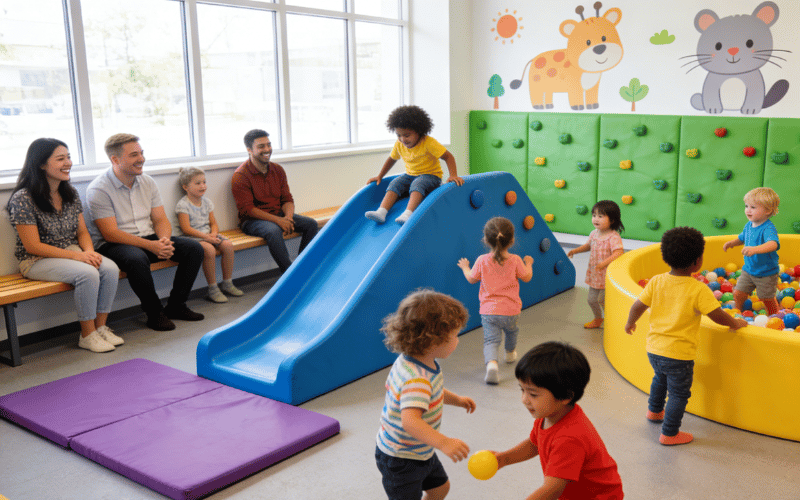
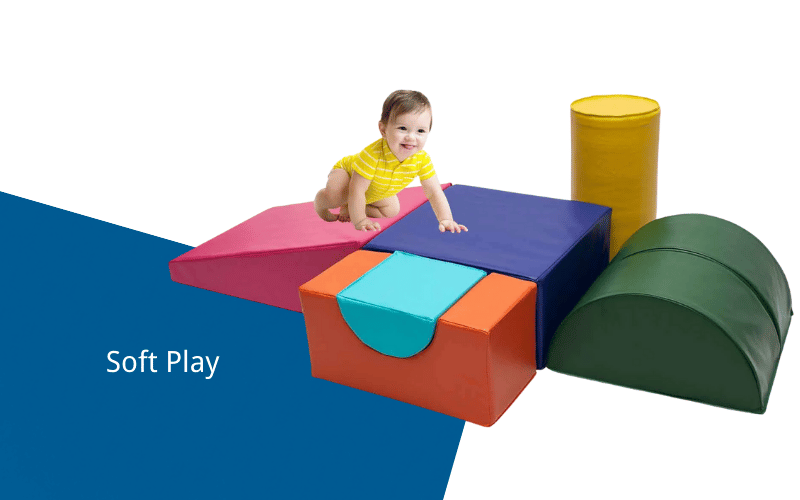
Soft play is an indoor activity area built from soft, cushioned materials like foam and vinyl. Instead of the hardwood, metal, and concrete you’d find at a regular playground, nearly every surface here is padded, rounded, and forgiving.
These spaces are designed specifically for infants, toddlers, and young children. The whole idea is to let little ones practice big physical movements without getting hurt when they stumble, and trust me, they will stumble.
You’ll usually find the same core set of components:
- Ball pits filled with hundreds of soft plastic balls
- Slides with gentle slopes and padded landings
- Climbing frames built low to the ground and fully cushioned
- Sensory tunnels for crawling, hiding, and exploring
The real magic is in the materials. When a toddler loses their balance on a foam block, they land on padding instead of pavement. That cushioning lowers the risk of injury while kids test their limits, which is exactly what they need to do to grow.
Why Soft Play Matters for Child Development
Soft play isn’t just a way to wear kids out before nap time, though it’s great for that. It does genuine developmental work, and that’s why I always tell parents it’s worth the trip.
Start with the physical side. Climbing, crawling, and sliding build balance, coordination, and motor skills. Every time a child hauls themselves up a padded ramp or steadies on a wobbly surface, they’re strengthening muscles and sharpening control over their own body.
There’s also spatial awareness. When kids wriggle through tunnels, squeeze through openings, and judge how far to reach for the next handhold, they learn where their body sits in space. That body control shows up later in everyday tasks, from walking down stairs to playing sports.
Soft play is social, too. In a busy shared space, children practice sharing, taking turns, and reading to other kids. They learn to wait for the slide or move around someone in the ball pit. Those are real lessons happening through play.
Don’t overlook the thinking skills. Figuring out how to get from one level to the next is a problem-solving task. Deciding whether a jump feels safe is early risk assessment, and a padded room is the perfect controlled place to practice it, since the worst-case landing is onto foam.
Finally, soft play feeds the senses. Different textures, colors, and shapes give young children steady sensory input, which matters a lot in those early years when their brains are wiring up fast.
The takeaway: soft play builds bodies, social skills, and thinking, all while kids believe they’re just having fun.
Common Features in a Soft Play Center
Walk into a well-built soft play center, and you’ll see the same handful of features again and again. Each one earns its place. Here’s what to expect.
- Multi-level structures that reward climbing and crawling, building strength as kids work their way up and around.
- Slides and tunnels that give children destinations to aim for and keep them moving.
- Ball pits for sensory play, where kids get hands-on with soft plastic balls.
- Padded flooring and walls that absorb impact, so most tumbles end in giggles instead of tears.
- Dedicated age zones that keep crawling babies safely apart from older, faster, more active kids.
- Interactive panels and soft blocks for building and creative play, giving quieter moments a home between the climbing.
Why Age Zones Deserve a Closer Look
That point about separate age zones matters more than parents often realize. A good center keeps a gated, lower-key area just for babies and toddlers. If you’ve got a one-year-old, that protected space is where you’ll spend most of your visit, and it should feel calm, contained, and free of bigger kids barreling through.
Safety Standards and Cleanliness
Here’s where my time in the play equipment world really pays off. A center can look bright and fun and still cut corners on safety and hygiene. Learn to spot the difference.
Good centers run routine inspections and maintenance. Staff checks for worn padding, loose netting, exposed hardware, and damaged equipment on a regular schedule. If you spot something frayed, torn, or broken, that’s worth flagging to a staff member.
You’ll also run into rules, and they exist for a reason. Most centers require that you remove your shoes and wear socks. Shoe tracks in grit that wear down equipment and dirties the surfaces kids crawl across, so socks keep things cleaner and cut down on slips.
Materials matter just as much. Quality equipment uses non-toxic materials and fire-retardant foams. Little kids mouth everything and press their faces into every surface, so safe, certified materials aren’t a nice-to-have, they’re essential.
Then there’s cleaning. High-traffic play areas collect germs fast, so reputable centers follow real cleaning protocols, wiping down surfaces, sanitizing ball pits, and keeping bathrooms and snack areas tidy. If a place looks or smells neglected, trust your gut and find another.
One more thing, and it’s the big one. Parental supervision still matters, even with staff on the floor. Attendants watch the whole room, but they can’t track your specific child the way you can. Stay close, especially with the youngest ones.
Mini-takeaway: the best centers combine regular inspections, smart rules, safe materials, and thorough cleaning, but your own supervision remains the strongest safety layer.
Soft Play vs. Outdoor Playgrounds
I love a good outdoor playground, and I’ve helped build plenty of them. But indoor soft play meets a different need. Here’s how the two compare.
The biggest win for soft play is the climate-controlled environment. Rain, snow, blazing heat, none of it cancels your plans. You get a reliable, year-round place to play, which is gold during a long winter or a brutal summer.
The materials differ a lot. Soft play uses impact-absorbing foam and vinyl, while outdoor parks rely on harder materials such as wood, metal, and rubber. Outdoor gear is built tough for the elements, but it’s far less forgiving when a toddler takes a spill.
Indoor centers are usually enclosed, which makes it easier to keep track of your child. One way in, one way out, no busy street nearby, and walls around the whole space. For parents of runners, that alone is worth the trip.
The trade-off is cost. Outdoor parks are usually free, while indoor soft play typically charges an entry fee or membership. You’re paying for the controlled space, the cushioned equipment, and the convenience.
My honest advice: use both. Outdoor parks for fresh air and free play on nice days, soft play for safe, weatherproof energy-burning when you need it.
Practical Tips for Parents Before You Visit
A little prep makes a soft play trip go a lot smoother. Here’s what I tell every parent heading out for the first time.
- Dress for movement. Put your child in comfortable clothes that let them climb and crawl freely. Long sleeves and pants also help prevent friction burns on slides, which often catch first-timers off guard.
- Pack clean socks. Most centers require them, so bring a pair for your child and one for yourself. Grippy, non-slip socks are even better.
- Go during off-peak hours. Weekday mornings are usually quiet, which means less crowding, calmer kids, and more room to roam. Weekends and after-school hours get hectic fast.
- Stay hydrated. Soft play is hard work for little bodies. Bring water or use the on-site café, and build in snack breaks.
- Check the restrictions first. Confirm age and height limits before you go so you know the facility actually fits your child. Some zones are off-limits for the smallest kids, and some have upper limits too.
Quick tip: that off-peak timing is the single best move for parents of nervous or sensory-sensitive children. A quiet room is a completely different experience from a packed one.
Soft Play Frequently Asked Questions
At what age can a baby start soft play?
Many centers welcome babies as young as a few months old, as long as there’s a dedicated baby-and-toddler zone. Once your little one can sit up or crawl, they’ll get the most out of the soft, padded spaces. Always check the center’s minimum age and stick to the area built for infants.
Why do children need to wear socks?
Socks keep the play surfaces cleaner and slow the spread of germs in spaces where dozens of kids crawl every day. They also reduce slipping. Bare feet track in dirt and bacteria, and shoes drag in outside grit, so socks land as the smart middle ground.
Are soft play centers safe for kids with disabilities?
Many are, and the better ones work hard to be inclusive. Look for sensory-friendly hours, accessible entrances, and quiet zones. The soft, low-impact equipment often suits a wide range of abilities. Call ahead and ask about specific accommodations so you know exactly what to expect.
How are ball pits cleaned?
Reputable centers clean and sanitize ball pits on a set schedule, removing the balls to disinfect them and clear out debris. Ask staff how often they do it. A clean ball pit shouldn’t have crumbs, trash, or a musty smell, so use that as your quick gut check.
Can adults go inside?
Often yes, especially in baby and toddler zones where parents are expected to stay close. Many centers allow adults in to help and supervise, though some larger structures have weight or height limits. Check the rules, and when in doubt, ask an attendant before you climb in.
What if my child is overwhelmed by noise?
Step away to a quieter corner or the café area and give them a break. Soft play can get loud and busy, which overwhelms some kids quickly. Visiting during off-peak hours helps a lot, and noise-reducing headphones work well for sensory-sensitive children.
Are there time limits?
It depends on the center. Some offer open play with no set limit, while busier locations sell timed sessions, often 90 minutes to two hours. Check the pricing and policy when you arrive so you can plan your visit and avoid surprises at checkout.
Build Confidence Through Regular Visits
After years in this industry, here’s what I keep coming back to: soft play is one of the most valuable tools a parent has for burning energy and building foundational skills. With each visit, your child gets stronger, more coordinated, and more confident, all while having a blast.
The real payoff comes from consistency. A child who visits regularly stops clinging at the entrance and starts charging toward the climbing frame. They try the bigger slide. They make a friend in the ball pit. That growing confidence and independence is the quiet win behind all the noise and giggles.
So keep the basics front and center every time: the socks, the supervision, the clean play areas, and let the repetition do its work.
Your next step: find one well-reviewed soft play center near you and plan a quiet weekday morning visit. Make it a regular habit, and you’ll watch your child grow braver and more independent with every trip.