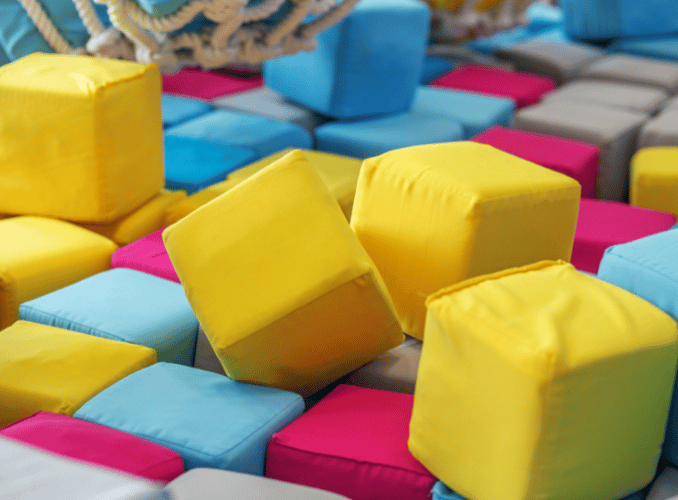
Looking to create a safe and engaging play space for young children? Soft play equipment is an excellent solution. Before making a purchase, it’s essential to consider factors like material quality, safety standards, and design flexibility. This guide outlines 10 key tips to help you choose the perfect soft play equipment for your needs.
How Can Soft Play Equipment Benefit Your Business?
With the growing emphasis on early childhood development and active play, high-quality soft play equipment has become an essential tool for any family-focused business. Prolonged inactivity and screen time are major concerns for parents, who are actively seeking safe, stimulating environments for their young children. These issues can impact a child’s physical and social development, making soft play a valuable addition to any community space.
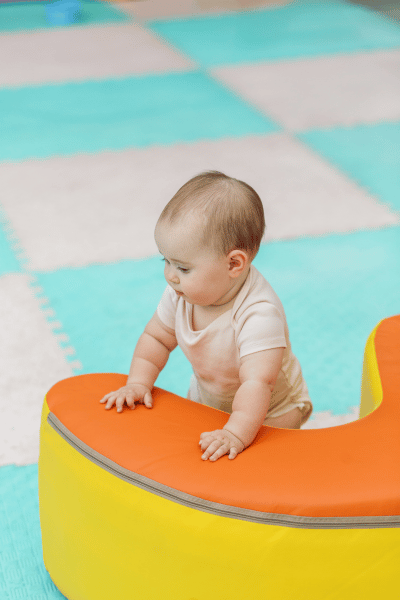
Here’s how soft play equipment can help:
- Enhance Child Development: Encourages motor skills, balance, coordination, and social interaction.
- Increase Customer Dwell Time: Parents can relax while their children play safely, resulting in longer visits and higher spending.
- Create a Safe Play Environment: Reduces the risk of injury compared to traditional hard-surface playgrounds.
- Boost Revenue: Attracts families, creating opportunities for admission fees, party bookings, and class registrations.
- Improve Customer Retention: A positive and engaging play experience brings families back time and again.
- Strengthen Brand Appeal: Showcases your commitment to providing a family-friendly atmosphere.
- Cater to the Youngest Visitors: Provides a dedicated, age-appropriate space for toddlers and preschoolers.
Want to know more about these benefits? The expert team at Inqila can provide detailed insights into how our soft play solutions can help you achieve your business goals.
Types of Soft Play Equipment
Soft play equipment comes in four main types, categorized by its structure and designed to meet various developmental needs. Whether you’re looking for a simple toddler corner or a sprawling, themed play zone, each type serves different facility requirements.
a. Ball Pits
Ball pits are a classic and beloved feature of any soft play area. They are ideal for sensory stimulation and provide endless fun for toddlers and young children. They are simple, relatively easy to maintain, and customizable in size and color to fit your space. However, they do require regular cleaning to ensure hygiene.
b. Climbing Structures
This type of equipment is effective at encouraging physical activity and building confidence. Soft play climbers, ramps, and steps are perfect for developing gross motor skills. They can be arranged in various configurations to create mini obstacle courses, keeping the play experience fresh and exciting for young explorers.
c. Themed Play Areas
Themed soft play equipment is ideal for creating an immersive and memorable experience. These custom-designed areas can transform a space into a jungle, an under-the-sea adventure, or a whimsical forest. Themed elements maximize engagement and are a powerful marketing tool for attracting families seeking a unique outing.
d. Multi-Activity Play Zones
Multi-activity zones combine various soft play elements to create a comprehensive play experience. These setups often include climbers, slides, tunnels, and interactive panels, offering a diverse range of activities that cater to different developmental stages within the toddler and preschool age range. They are perfect for larger dedicated play areas.
Foam vs. Inflatable Soft Play Equipment: What’s the Difference?
Both foam-based soft play equipment and commercial-grade inflatable structures rely on similar principles of providing a cushioned, safe play environment. As long as the materials are high-quality and meet safety standards, both options can offer fun and engaging experiences.
In terms of user experience and durability for a permanent commercial setting, foam-based equipment is generally superior. It is more robust, requires no power, and can be easily cleaned and sanitized. Inflatables are better suited for temporary events or mobile party businesses due to their portability but are more susceptible to punctures and require constant power from a blower.
Can Your Space Accommodate Soft Play Equipment?
When deciding whether to install soft play equipment, it’s important to evaluate your facility’s layout and conditions. Most soft play elements are modular and can be configured to fit various spaces, but you should consider the following conditions:
a. Space Requirements
If you have a dedicated corner or a separate room of at least 100-200 square feet, you can create a meaningful soft play zone. A larger open area allows for more complex structures and a greater variety of activities. This method works best for creating a clear, designated play zone that is easy for staff to supervise.
b. Ceiling Height and Accessibility
If your space has standard ceiling heights, most standalone soft play elements will fit perfectly. For larger, multi-level structures, you will need to confirm height requirements. Ensure the area is easily accessible for parents with strollers and that there is comfortable seating nearby for supervision.
c. Flooring and Safety Considerations
If your floor is hard (like tile or concrete), you must install appropriate safety surfacing, such as interlocking foam mats or rubber flooring. This is critical for preventing injuries from falls. Avoid placing equipment near sharp corners, columns, or other hazards. For additional guidance, consult with an Inqila play space design expert.
Avoiding Common Installation Pitfalls
Before purchasing soft play equipment, double-check your space for the following potential issues to ensure a safe and stable setup:
a. Uneven Floors
Floors that are sloped or uneven can cause soft play elements to shift or separate, creating gaps and potential tripping hazards. Ensure your floor is level before installation. For minor issues, high-quality, non-slip matting can help keep pieces in place.
b. Inadequate Use Zones
Obstacles like columns, furniture, or walls too close to the play area can pose a risk. Ensure there is a clear “use zone” around the equipment, especially at the bottom of slides or around active elements, to prevent collisions.
c. Material Quality and Cleaning
Certain materials may not meet commercial cleaning standards and can degrade over time. Ensure the equipment you choose is made from high-quality, non-porous vinyl that is easy to wipe down and sanitize. To avoid damage, always follow the manufacturer’s cleaning recommendations. Low-quality foam may also compress and lose its shape, so investing in high-density foam is crucial for longevity.
Safety Standards and Certifications
Safety is a global standard for children’s products, defined by organizations like ASTM and the CPSC. Most reputable manufacturers design their products to meet these standards, ensuring materials are non-toxic, durable, and free from hazards. Inqila products support the most common safety requirements for commercial play environments.
However, there are exceptions to watch out for:
- Small Parts & Choking Hazards: Ensure that no small, detachable parts pose a choking risk to toddlers. Zippers on vinyl covers should be hidden or inaccessible to children.
- Phthalates and Lead: Verify that the materials used are certified free of harmful chemicals like phthalates and lead. This is especially important as young children often mouth toys.
- Stitching and Seams: Check for strong, reinforced stitching. Poorly constructed seams can tear open, exposing the foam inside and creating a safety issue. Commercial-grade equipment should have double-stitched seams for maximum durability.
Budget and Cost Considerations
When choosing the right soft play equipment, it’s crucial to consider the overall cost of ownership, not just the initial purchase price. You can typically find this information by requesting a detailed quote from the manufacturer. Keep these factors in mind:
a. Initial Investment
The cost will vary widely based on the size and complexity of your order. A basic set of climbing blocks might cost a few hundred dollars, while a large, custom-themed installation can be tens of thousands. Remember to factor in the cost of safety flooring, shipping, and any potential installation fees.
b. Ongoing Expenses
Accessories such as ball pit cleaners, sanitizing solutions, and replacement vinyl covers increase the total load. Be sure to account for these ongoing costs when selecting a supplier. The long-term cost of maintaining low-quality equipment can quickly surpass the initial savings.
c. ROI Expectations
To maximize functionality and lifespan, invest in high-quality, commercial-grade equipment. This will reduce replacement costs and minimize downtime due to repairs. A well-designed soft play area can be a significant revenue driver, attracting families who are willing to pay for a premium, safe, and clean play experience.
Customization and Design Flexibility
When choosing the right soft play equipment, it’s crucial to consider how the design aligns with your brand and the developmental needs of your target age group. A mismatched collection of pieces won’t have the same appeal as a cohesive, thoughtfully designed play space.
a. Theming and Color Schemes
Check if the manufacturer offers custom colors to match your brand. A coordinated color scheme creates a more professional and visually appealing environment. Themed elements, like animal-shaped rockers or castle blocks, can further enhance the play experience.
b. Modularity and Scalability
Can you start with a small set and add more pieces later? Choosing a modular system allows your play area to grow with your business. This flexibility is key to managing your initial investment while planning for future expansion.
c. Age-Appropriate Selection
Most soft play suppliers specify the target age for each item. Ensure you select a variety of pieces that cater to different developmental stages:
- Crawlers & Early Walkers: Tunnels, low ramps, and soft mats.
- Toddlers: Simple climbers, rockers, and building blocks.
- Preschoolers: More complex obstacle courses and larger structures.
While many suppliers offer standard packages, the ability to customize varies significantly. For businesses wanting a unique look, partner with a company like Inqila that excels in creating bespoke play environments.
Preventing Wear and Tear
One of the most common issues owners face with soft play equipment is “wear and tear.” This problem typically occurs in two key areas:
- Seams and Stitching: Constant use can put stress on seams, causing them to split or fray.
- Vinyl Surface: The outer covering can get punctured, scuffed, or become discolored over time.
How to Fix Wear and Tear
To resolve these issues, first, establish a regular cleaning and inspection routine. Spot-clean any spills immediately to prevent staining. Check all seams and surfaces daily for any signs of damage. Many minor punctures or tears in the vinyl can be repaired with a special patch kit. Avoid using harsh chemical cleaners, as they can degrade the material.
If wear and tear persists despite proper care, it may indicate the equipment is not commercial-grade or is nearing the end of its functional life. Consider whether the equipment is appropriate for your level of foot traffic and if an upgrade is needed.
Choosing Durable Soft Play Equipment
Lower-priced soft play items often use thin vinyl and low-density foam, which degrade quickly in commercial settings. Consider investing in products made with heavy-duty, puncture-resistant vinyl and high-density foam. These designs offer superior wear resistance, ensuring longer-lasting performance and a better return on your investment.
Technology Integration and Interactive Features
Proper planning is essential when incorporating technology into a soft play area. Interactive panels with lights and sounds require power, and cables must be managed safely to prevent hazards. Here’s what to keep in mind:
Power and Cable Access
- For interactive panels, ensure cables are completely concealed within the equipment or routed through protected channels. Use battery-powered options where possible to eliminate cords altogether.
- For sensory features, items such as bubble tubes or fiber-optic lights require careful placement near power outlets, with all wiring kept safely out of children’s reach.
Interactive Play Systems
Modern soft play areas often face the challenge of competing with screens for children’s attention. A play area with integrated interactive technology can efficiently bridge this gap, encouraging active play through games and challenges. Most systems can be integrated seamlessly into a custom soft play design, making them ideal for creating a cutting-edge play experience.
Building a Successful Soft Play Area
We’ve covered common questions about selecting soft play equipment, including design and customization, budget, and safety. If you’re still unsure which equipment to choose, the Inqila collection offers reliable, high-quality, and well-rounded options:
- Supports the highest safety standards with non-toxic, commercial-grade materials suitable for high-traffic environments.
- Features high-density foam and durable, double-stitched vinyl to prevent sagging and wear over time.
- Offers full customization options to protect your brand identity and create a unique play space.
If you have additional questions, feel free to reach out to our design consultants for personalized assistance with planning your soft play area or finding the right equipment for your business.