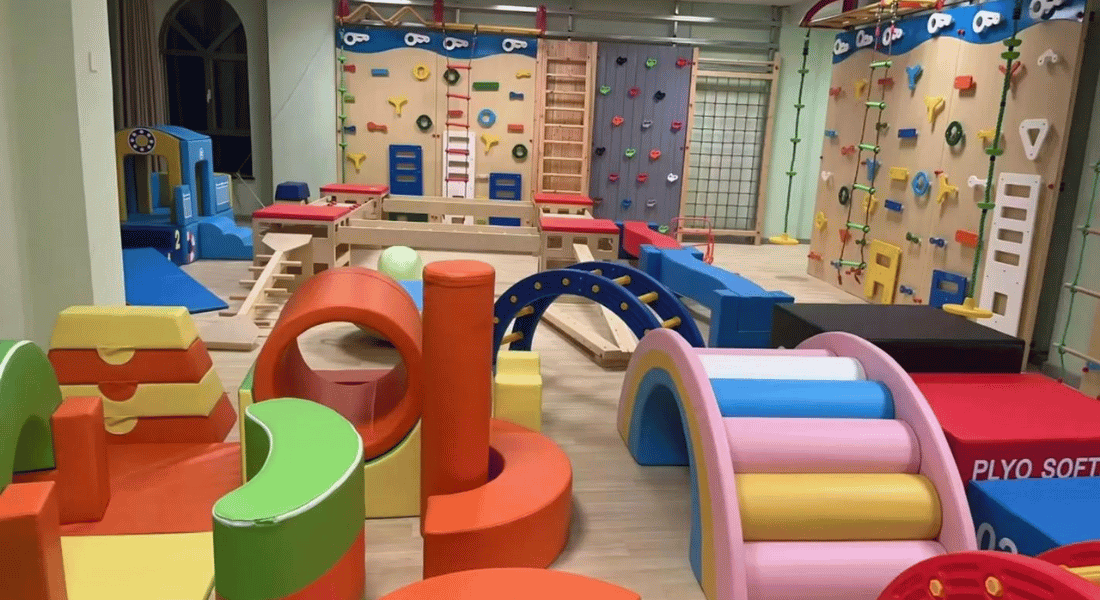
I’ve spent years around play equipment, and opening a soft play center is one of the most rewarding ways to put it to work. You’re building a place where toddlers run wild, parents finally get to breathe, and rainy days stop being a problem. But it’s also a real business, with real costs and a long list of decisions you have to get right.
The good news? Almost none of it is mysterious. Plan it well, build it safe, and run it clean, and you’ve got a venture that families come back to again and again. This guide is for anyone serious about opening a fixed-location soft play center.
Here’s what you’ll walk away knowing:
- How to confirm there’s real demand and pick a niche that fits
- What it actually costs to launch and how to fund it
- How to choose a building, design a safe floor, and stay legal
- How to earn from more than just the door, and grow once you’re open
Let’s get into it.
Market Research and the Soft Play Concept
Before you sign a lease or buy a single ball pit, prove that your town actually needs what you’re planning.
Start with the numbers. Look at how many families with kids under eight live within a short drive. Soft play lives or dies on that core group, so you want plenty of them nearby. Census data, school enrollment figures, and a quick scan of local family Facebook groups all help paint the picture.
Next, hunt for the gaps. What’s missing where you live? Maybe there’s nowhere for kids to burn energy on a rainy afternoon. Maybe the nearest indoor play space is a 40-minute drive away. Those gaps are your opening.
Pick a Clear Niche
You don’t have to please everyone. Picking a focus helps you stand out and design smarter. A few directions worth considering:
- Toddler-only zone for the under-fives, soft and calm
- Sensory-focused center built for kids who need a gentler, controlled environment
- High-energy play structure with big multi-level frames for older kids
Pick the lane that fits the families around you.
Study Competitors and Talk to Parents
Go visit the play centers already operating in your region. Pay for entry, buy a coffee, and pay close attention to their pricing, cleanliness, and whether the food is any good. You’ll learn as much from their weak spots as their strong ones.
Then talk to actual parents. Ask what they wish a play space had, what frustrates them about the current options, and what would make them choose one place over another. A handful of honest conversations is worth more than any spreadsheet.
Bottom line: confirm there’s demand, find the gap, and pick a niche before you spend a dime.
Evaluating Startup Costs and Funding
Soft play isn’t cheap to launch, so go in with clear eyes and a real budget.
Start by listing your physical assets:
- Play equipment, the multi-level frame, ball pits, slides, and soft shapes
- Safety flooring, the padded surfacing under and around the structure
- Café furniture, tables, chairs, and a service counter
Those are your big-ticket items. Then layer in the costs that catch people off guard.
You’ll likely owe a lease deposit of several months’ rent up front. Budget for interior renovations, too, since most empty units need work before they’re play-ready, plus specialized lighting to make the space feel bright and fun. Don’t forget insurance premiums and local business licenses, which hit you both upfront and on an ongoing basis.
How to Fund It
Most owners pull from a mix of sources:
- Personal savings, the simplest option
- Small business loans, including SBA-backed loans
- Private investors, if you’d rather share risk than take on debt
Whatever route you choose, set aside a contingency fund. Build-outs run late, and equipment surprises happen. I tell every new owner to keep an extra cushion, usually 10 to 20 percent of the budget, for the things you didn’t see coming.
The takeaway: know your full cost, line up funding, and never launch without a safety net.
Selecting the Right Location
The right building makes everything easier. The wrong one fights you every single day.
Start with ceiling height. Big multi-level play frames need vertical space, and low ceilings instantly kill your best equipment options. High ceilings open up the layout and make the whole space feel exciting the moment families walk in.
Think about parking and access, too. Parents arrive with strollers, diaper bags, and a couple of kids in tow. Ample parking and an easy, stroller-friendly entrance make a stressful trip simple.
Check the Practical Details
Before you fall in love with a space, confirm a few things:
- Zoning. Make sure the building is approved for assembly or recreational use. This is non-negotiable, so verify it early before you waste time on a unit you can’t legally use.
- Storefront visibility. A unit that’s easy to spot from the road markets itself. Tucked-away spaces cost you in foot traffic and free awareness.
- HVAC. A play center fills up with active kids and tired parents, so it gets warm and stuffy fast. Confirm that the heating, cooling, and ventilation can handle a high-occupancy crowd.
The point: the building’s bones, height, access, zoning, and airflow matter far more than the paint color.
Designing the Play Area for Safety and Fun
This is where it gets fun, but safety leads every decision.
Work with a reputable equipment manufacturer from the start. A good one helps you design a layout that squeezes the most play value out of your floor space without cramming it. They know how to balance flow, capacity, and sightlines in a way that a blank floor plan never will.
Separate the Age Groups
Keep the little ones away from the big kids. A dedicated toddler zone, walled off from the high-energy structure, prevents a fast-moving eight-year-old from bowling over a wobbly two-year-old. This single design choice prevents a huge share of injuries and gives parents real peace of mind.
Make It Safe and Inviting
Pick themes and colors that excite kids while still looking clean and professional to the parents footing the bill. Bright and playful, not chaotic.
Then build in the safety basics:
- High-density foam padding on hard edges and impact zones
- Safety netting that meets current safety standards
- Smooth transitions and no exposed hardware anywhere kids can reach
Don’t Forget the Adults
Parents are your real customers, so treat them well. Create a comfortable seating area with a clear line of sight across the entire play floor. A parent who can sip a coffee and watch their kid at the same time is a happy, returning customer.
In short: design for safety first, fun second, and adult comfort right alongside both.
Navigating Legal Requirements and Insurance
This part isn’t glamorous, but skipping it can end your business before it starts.
Register as a legal entity, usually an LLC or a corporation. This separates your personal assets from the business, so a problem at the center doesn’t put your home and savings at risk.
If you plan to serve food or coffee, apply for a health permit. Rules vary by location, so check with your local health department early and build in time for inspections.
Buy comprehensive public liability insurance. You’re responsible for children at play, which makes injury claims your biggest risk. A strong policy is the wall between a single accident and a business-ending lawsuit.
Waivers and Inspections
Have every parent sign a clear liability waiver before their kids enter the play area. Make it part of check-in so it never gets skipped.
Then schedule regular safety inspections with a certified third-party professional. Equipment wears, padding compresses, and netting loosens over time. Regular inspections catch problems before they hurt someone, and they show you took safety seriously if anything is ever questioned.
Bottom line: get the legal structure, permits, insurance, waivers, and inspections all in place before you open the doors.
Building a Revenue Model Beyond Entry Fees
Entry fees alone rarely pay the bills. The strongest soft play centers earn from several streams at once.
Birthday Parties
Parties are the money-maker. Build tiered birthday packages that bundle food, decorations, and a private party room. Parents happily pay for the convenience of a hands-off celebration, and a packed weekend party schedule can carry you through the whole month.
Memberships and the Café
Offer monthly or annual memberships to turn one-time visitors into regulars. Families who pay for access come back often and spend more while they’re there.
Your café is a quiet profit engine. Stock healthy snacks and genuinely good coffee. Tired parents will spend on a quality latte, and a smart menu can lift your average spend per visit with little extra effort.
Events and Retail
Fill your slow hours with special events: toddler music classes, holiday parties, and “parents’ night out” sessions where you watch the kids while adults get a break.
Finally, sell a little retail. Grip socks are almost a required purchase at most centers, and small toys or branded merch add easy margin at the register.
The takeaway: stack parties, memberships, café, events, and retail so you’re never relying on the door alone.
Operations and Staff Management
Great operations are what turn a one-time visit into a loyal customer.
Start with the right people. Hire energetic staff who genuinely enjoy being around kids, and make sure key team members have basic first-aid training. Their energy sets the mood of the whole place.
Keep It Spotless
Cleanliness is your reputation. Build a strict daily cleaning schedule that covers every play surface, the ball pit, the café, and the bathrooms. Parents notice grime instantly, and a dirty center loses repeat business fast.
Systems That Keep You Sane
A modern point-of-sale system that handles bookings, waivers, and café orders in one place saves you constant headaches. It also prevents the double-booking nightmares that wreck party weekends.
Set clear play rules, post them where everyone can see, and have staff actively monitor the floor during peak hours. And build an opening and closing checklist so the place is always guest-ready and locked down tight, no matter who’s on shift.
The point: good staff plus clean surfaces plus solid systems equals a center families trust.
Marketing Your New Soft Play Center
Even the best center needs parents to know it exists.
Start with a mobile-friendly website where parents can book party slots online. Most people will find you on their phones, so the site has to look great and be easy to book on a small screen.
Lean hard into Instagram and Facebook. Soft play is incredibly photogenic, so share bright photos of the equipment, promote upcoming events, and let happy families do some of the sharing for you.
Build Local Roots
Partner with local schools and daycare centers. Distribute flyers, sponsor an event, or offer a group rate. These places are full of exactly the families you want.
Run targeted ads aimed at parents living within about a 20-minute drive. There’s no point paying to reach people who’ll never make the trip.
And actively ask happy customers for Google reviews. Strong local reviews build the credibility that turns a search into a booking.
In short: be easy to find, easy to book, and well-reviewed in your own backyard.
Common Soft Play Business FAQs
How much space do I need for a soft play center?
Most small- to mid-sized centers range from 3,000 to 8,000 square feet, though it depends on your equipment and ambitions. You need room for the play structure, a separate toddler zone, café seating, party rooms, and bathrooms. When in doubt, prioritize ceiling height and an open floor plan over raw square footage alone.
What is the average profit margin for an indoor playground?
Margins vary widely, but many well-run centers land somewhere in the 15 to 30 percent range once they’re established. The big swing factor is your secondary revenue. Centers that lean on parties, memberships, and a strong café tend to sit at the higher end, while those relying on entry fees alone struggle.
Do I need a background in childcare to start this business?
No. Plenty of successful owners come from business or hospitality backgrounds, not childcare. What you really need is a focus on safety, cleanliness, and customer experience, plus staff who are great with kids. You can hire the childcare instincts; your job is to run a tight, welcoming business.
How often should I replace or upgrade the play equipment?
Quality commercial equipment lasts many years with proper maintenance, but plan for ongoing repairs and refreshes throughout its lifespan. Replace worn padding, netting, and high-wear pieces as inspections flag them. A bigger refresh or new feature every few years also keeps the experience exciting and gives regulars a reason to return.
Should I go independent or buy a franchise?
Both paths work. A franchise offers a proven model, brand recognition, and setup support in exchange for fees and royalties, which lowers some of the guesswork. Going independent gives you full control over your concept, design, and pricing, but you carry more of the planning yourself. Choose based on how much control versus support you want.
Launching and Scaling Your Business
You’ve built it. Now open smart and grow with intention.
Start with a soft opening for friends and family before the public launch. It’s a low-stakes way to test your check-in flow, your café, and your staff under real conditions, and to fix the kinks before paying customers arrive.
In your first month, gather feedback constantly. Ask visitors what worked and what didn’t, then adjust your hours, menu, or layout based on their feedback. Early flexibility pays off.
Watch the Data, Then Grow
Pay attention to your peak times. If weekends and holidays are slammed, add staff to keep the experience smooth rather than stretched thin. Understaffing during a rush is how good first impressions go bad.
Track which marketing channels actually bring people in. Double down on what works and stop spending on what doesn’t. A simple “How did you hear about us?” at check-in tells you a lot.
Your 3-Action Checklist to Start
- Validate your market. Confirm enough families with young kids live nearby, scout the competition, and lock in your niche.
- Build your budget and funding plan. List every startup cost, add a 10-20 percent contingency, and line up your savings, loans, or investors.
- Shortlist locations. Tour buildings with the right ceiling height, parking, zoning, and HVAC before you commit to anything else.
Get these steps right, and you’ll have more than a play center. You’ll have a place families trust, talk about, and return to season after season. That’s the whole goal, and it’s well within reach when you plan as carefully as you build.