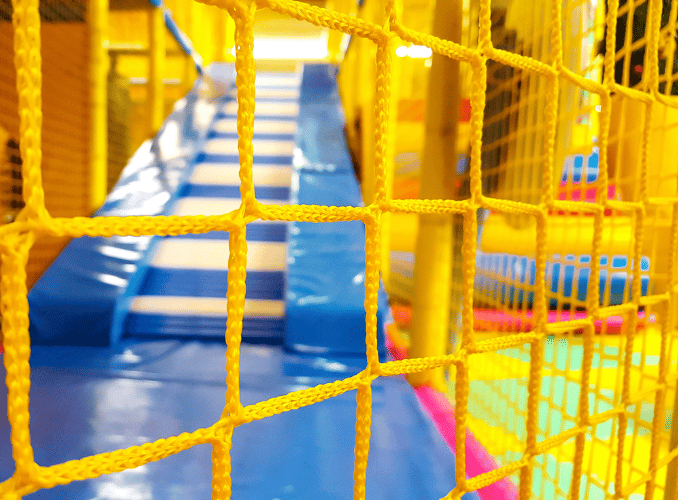
Thinking about investing in the booming family entertainment industry? An indoor playground can be a rewarding and profitable venture. Before you take the leap, it’s essential to consider factors like location, budget, design, and safety. This guide outlines 10 key considerations to help you make an informed investment and build a successful indoor playground business.
How Can an Indoor Playground Benefit Your Business?
With the rise of family-focused communities and the need for year-round activities, indoor playgrounds have become essential destinations. A well-designed playground can transform a business, whether it’s a standalone venture or an addition to an existing establishment like a shopping mall, family restaurant, or community center. Prolonged screen time has parents seeking active, engaging alternatives for their children, and indoor playgrounds perfectly fill that need.
Here’s how an indoor playground can benefit you:
- Increase Foot Traffic: A fun and safe play area is a major draw for families, bringing more potential customers to your door.
- Boost Revenue Streams: Generate income through admission fees, birthday party packages, memberships, and even on-site cafes or retail.
- Enhance Customer Loyalty: Families who have a positive experience are more likely to return, creating a loyal customer base.
- Create Community Engagement: Become a local hub for family gatherings, school field trips, and community events.
- Improve Brand Image: A high-quality playground signals that your business is family-friendly and invested in the community’s well-being.
- Drive Ancillary Sales: Visitors often spend more on food, drinks, and other services while their children play.
Want to know more about these benefits? Our expert team at Inqila can provide detailed insights into how a custom playground can help you achieve your business goals.
Types of Indoor Playgrounds
Indoor playgrounds come in four main types, categorized by their design and intended audience. Whether you’re looking for a simple toddler play space or a massive adventure park, each type serves different market needs and facility requirements.
a. Soft Play Areas
Soft play areas are ideal for toddlers and young children, typically under the age of five. These playgrounds feature padded floors, soft-sculpted foam climbers, ball pits, and low-level structures that encourage safe exploration and motor skill development. They are perfect for smaller spaces and for businesses that cater to families with very young kids, such as cafes, daycares, and churches.
b. Adventure Playgrounds
This type is designed for older, more adventurous children, usually aged 5-12. They often include multi-level structures, elaborate slides, climbing walls, rope courses, and obstacle challenges. Adventure playgrounds are great for attracting school-aged kids and can be a major revenue driver through higher admission fees and exciting party packages. They require more vertical space and a larger footprint.
c. Themed Playgrounds
Themed playgrounds create immersive experiences by centering their design on a specific concept, such as a jungle, a castle, outer space, or a pirate ship. These highly engaging environments spark children’s imaginations and create memorable photo opportunities for parents. While it may be more expensive to design and build, a unique theme can be a powerful marketing tool and a significant competitive advantage.
d. Multi-Activity Centers
Multi-activity centers, or Family Entertainment Centers (FECs), combine various play areas to cater to all age groups. These large-scale facilities might include a dedicated toddler zone, a main adventure playground, trampolines, ninja courses, and even arcade games. They offer something for everyone in the family, encouraging longer stays and repeat visits.
Mechanical vs. Modular Playgrounds: What’s the Difference?
Both mechanical playgrounds (with fixed, pre-designed elements) and modular playgrounds (custom-built systems) rely on similar structural principles to ensure safety and fun. As long as the design meets industry safety standards and is installed correctly, both options provide durable, engaging play experiences.
In terms of user experience and longevity, there’s minimal difference between a high-quality pre-designed system and a custom modular one. Both types are engineered to withstand heavy use and provide a safe, stable environment for children to play. The choice often comes down to budget, space constraints, and your desired level of uniqueness.
Can Your Location Support an Indoor Playground?
When deciding if an indoor playground is a viable investment, it’s crucial to evaluate your location and building conditions. Most playground manufacturers, including Inqila, offer flexible designs that can adapt to various spaces, but certain factors will determine the project’s success.
a. Demographics and Target Market
If your business is located in an area with a high density of young families, the potential for success is strong. Analyze local demographics: What is the average family size and income level? Are there many schools, daycares, and community groups nearby? Understanding your target market will help you choose the right type and size of playground.
b. Space Requirements
If your building has high ceilings (ideally 18 feet or more) and a clear, open floor plan, you have a great foundation for an exciting multi-level adventure playground. For spaces with low ceilings or a smaller footprint, a soft play area or a more compact modular design might be a better fit. Ensure you have enough space not only for the play structure but also for seating areas, party rooms, restrooms, and a reception desk.
c. Accessibility and Parking
If your location is hard to find, lacks visibility, or has limited parking, it will be difficult to attract customers, no matter how great your playground is. Choose a location that is easily accessible from major roads and offers ample, convenient parking for families who often juggle strollers and diaper bags. Being close to other family-friendly businesses can also create beneficial foot traffic.
Avoiding Common Location Pitfalls
Before purchasing an indoor playground, double-check your building for the following potential issues to ensure a safe and successful installation:
a. Ceiling Height and Obstructions
Low ceilings or hanging obstructions, such as support beams, HVAC ducts, and sprinkler systems, can severely limit your design options. Measure the lowest point of your ceiling to determine the maximum height for your play structure. An experienced designer can often create a custom layout that works around these obstacles.
b. Flooring and Structural Integrity
Ensure your floor is level and can support the weight of a large play structure and dozens of active children. If the floor is uneven or you have concerns about its strength, you may need to consult a structural engineer before proceeding.
c. Inadequate Amenities
Certain building features are essential for an indoor playground but are often overlooked:
- Restrooms: Do you have enough clean, family-friendly restrooms with changing tables?
- Ventilation: Is the HVAC system adequate to maintain a comfortable temperature and good air quality, even on busy days?
- Emergency Exits: Are there clear, accessible emergency exits that meet local fire codes?
To avoid costly surprises, address these potential issues during the site selection and planning phase. Working with a professional playground company like Inqila can help you identify and overcome these challenges.
Safety Standards and Certifications
Safety is the most critical aspect of any indoor playground. The industry is governed by standards set by organizations such as ASTM International (American Society for Testing and Materials) and the CPSC (Consumer Product Safety Commission). Most reputable manufacturers, including Inqila, design and build equipment that meets or exceeds these guidelines.
However, there are exceptions and details to watch out for:
- Use Zones: Ensure there is adequate open space around all equipment, especially at slide exits and entrances, to prevent collisions. This is a key part of safety compliance.
- Surfacing: The flooring beneath and around the play structure must be made of impact-absorbing materials, like rubber tiles or poured-in-place rubber, to cushion falls.
- Entrapment Hazards: All openings in the equipment must be designed to prevent a child’s head or limbs from getting stuck. A certified playground safety inspector (CPSI) can help identify these potential hazards.
- Age Appropriateness: The equipment must be suitable for the intended age group. This includes appropriate step heights, railing heights, and types of play activities. Clearly separate toddler areas from older-child zones to ensure a safe experience for everyone.
Budget and Cost Considerations
When choosing the right indoor playground, it’s crucial to develop a comprehensive budget that covers both initial and ongoing costs. You can typically find general pricing information online, but a custom quote is necessary for an accurate estimate.
a. Initial Investment
This includes more than just the equipment itself. Factor in the costs for design, manufacturing, shipping, and professional installation. You will also need to budget for safety surfacing, permits, and any necessary renovations to your building. A small soft play area might cost as little as $10,000, while a large, custom-themed adventure playground can exceed $200,000.
b. Ongoing Expenses
Your financial planning shouldn’t stop after the grand opening. Ongoing expenses include rent or mortgage payments, utilities, liability insurance, and staff salaries. You will also need to budget for regular maintenance, cleaning supplies, marketing, and a fund for future repairs or equipment replacement.
c. ROI Expectations
To ensure a healthy return on investment (ROI), create diverse revenue streams. Admission fees are the primary source of income, but memberships, multi-visit passes, and birthday party packages can provide stable, recurring revenue. Consider adding a café, hosting special events like toddler mornings or after-school clubs, and offering summer camps to maximize your facility’s earning potential.
Customization and Design Flexibility
When choosing the right indoor playground, it’s crucial to consider how the design will reflect your brand and appeal to your target audience. A generic, off-the-shelf playground won’t create the same excitement as a unique, custom-designed space.
a. Theming and Branding
Check if the manufacturer can incorporate your brand colors, logo, and a specific theme into the design. A cohesive theme—whether it’s a vibrant jungle, a magical forest, or a futuristic city—makes the experience more immersive and memorable for children and provides great marketing opportunities.
b. Modular Components
Can the playground be adapted to your specific space and needs? A modular design allows you to pick and choose components such as slides, climbers, and interactive panels. This flexibility ensures you can maximize play value even in buildings with awkward layouts or structural columns.
c. Age-Appropriate Zones
Most playground providers specify the recommended age range for their equipment. A good design should include:
- Toddler Area: A separate, enclosed space for children under three.
- Main Structure: A multi-level adventure zone for kids aged 4-12.
- Interactive Elements: Features that appeal to a wide range of ages.
While most manufacturers offer similar components, the ability to customize the layout and theme varies significantly. For businesses with unique branding goals, look for a partner like Inqila that specializes in creating one-of-a-kind play experiences.
Preventing Maintenance Issues
One of the most common challenges playground owners face is unexpected wear and tear. This problem typically occurs in two key areas:
- High-Traffic Zones: Netting, vinyl surfaces, and slide entrances can wear out quickly from constant use.
- Moving Parts: Components like rotating spinners or ziplines require regular inspection and lubrication.
How to Prevent Maintenance Problems
To resolve these issues, establish a routine inspection and cleaning schedule. Daily visual checks can spot immediate problems, such as loose bolts or torn netting. Weekly and monthly inspections should be more thorough, documenting any signs of wear. Many issues can be addressed with simple repairs if caught early.
If a problem persists despite your efforts, it may indicate that a component is nearing the end of its lifespan or is not appropriate for the level of use it receives. Consider whether you need to replace the component with a more durable, commercial-grade alternative.
Choosing Durable Playground Equipment
Lower-priced playgrounds often use materials that may not withstand the rigors of a commercial environment. Consider investing in products made with high-quality, durable materials, such as galvanized steel frames, thick PVC vinyl, and reinforced netting. These designs provide resistance against wear and tear, ensuring longer-lasting performance and a safer play environment.
Cable Management and Technology Integration
Proper cable management is essential when incorporating technology into an indoor playground. Interactive elements like lighted panels, sound effects, and projection screens require power and data cables, which must be safely concealed to prevent tripping hazards and protect them from damage.
Cable Length and Placement
- For interactive elements: Ensure cables are long enough to reach power sources without being stretched taut. They should be run through designated channels or conduits within the play structure.
- For security cameras and POS systems, plan your layout to minimize cable runs and keep your space clean and professional.
Technology Integration Systems
Modern playgrounds often face the challenge of integrating numerous electronic devices. A well-designed playground from Inqila includes integrated cable management systems that efficiently organize and conceal cables, creating a clutter-free, safe environment. This is ideal for facilities with multiple interactive game panels, RFID wristband systems, and audio-visual equipment.
Building a Successful Indoor Playground
We’ve covered the key questions to consider when investing in an indoor playground, from design and budget to safety and maintenance. If you’re still deciding on the best path forward, the team at Inqila offers reliable, high-quality solutions for any space or budget. Our playgrounds are:
- Engineered to the highest safety standards, providing peace of mind for you and your customers.
- Built with durable, commercial-grade materials to prevent premature wear and sagging, especially for high-traffic facilities.
- Fully customizable with unique themes and branding to make your business stand out.
If you have additional questions, feel free to reach out to our design consultants for personalized assistance with planning, designing, and installing the perfect indoor playground for your business.