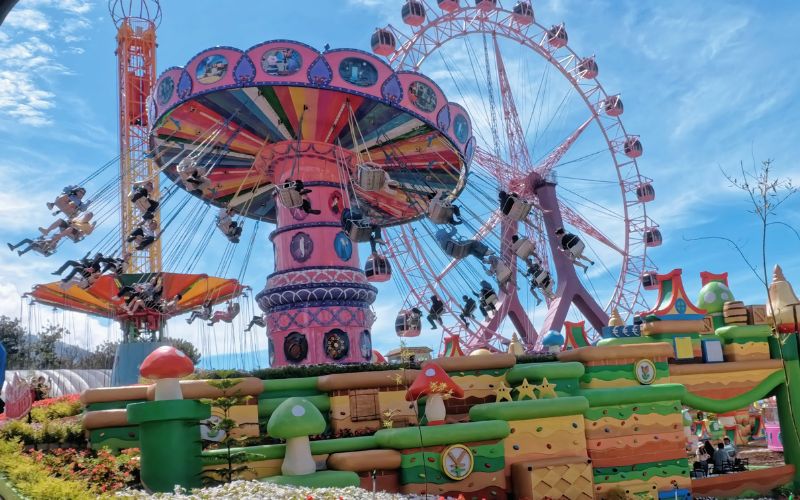
In many regions, particularly in growing areas without many large-scale entertainment options, access to thrilling, family-friendly recreation is hard to come by. Many cities lack the necessary infrastructure or dedicated entertainment zones to support a major leisure destination, leaving residents at the mercy of distant tourist hubs for their weekend fun. Amusement parks provide a solution that offers access to exciting rides and attractions while also boosting local tourism.
These massive entertainment centers do more than just offer fun; they act as powerful engines for regional economic growth. By providing a dedicated space for family-friendly recreation, they draw visitors from across the state or country, which dramatically increases local spending. You will also see significant job creation, offering employment opportunities ranging from ride operators to management professionals.
What Is an Amusement Park?
According to industry experts, amusement parks are large-scale entertainment facilities that offer a variety of attractions to benefit a community and attract tourists. This can include roller coasters, dark rides, or live entertainment stages; however, most modern destinations focus on a balanced mix of rides that appeal to both thrill-seekers and young families. These parks are typically managed by dedicated corporate teams or local ownership groups, and generally, the operators work hard to cultivate an immersive environment where guests can escape their daily routines.
While the concept seems straightforward, you will find many different types of these entertainment destinations scattered across the globe. Theme parks focus heavily on storytelling, designing entire lands around specific characters, historical eras, or cinematic universes. Water parks offer aquatic thrills with massive slide complexes and wave pools, while adventure parks focus on physical challenges like zip lines and ropes courses. Each specific type requires careful planning to ensure the attractions match the expectations of the target demographic.
Beyond the thrills and themed snacks, these entertainment destinations create a lasting economic and social impact on their local communities. They often become central landmarks, driving massive revenue to nearby hotels and restaurants while giving local residents a shared point of civic pride.
Why Start an Amusement Park?
An amusement park benefits your local community in several significant ways. The most obvious is in the direct economic impact, which brings massive revenue and job creation to the local community. When a new park opens, it instantly creates hundreds of jobs across construction, engineering, hospitality, and daily operations. The constant influx of tourists also means that neighboring businesses, such as gas stations, diners, and retail shops, see a massive boost in their daily foot traffic. Beyond the raw financial numbers, these public spaces also serve as a gathering point for the community, bringing the region together around a common goal: having fun. They can serve as a beautiful focal point in the community, and often they provide a safe, contained space for youth and families to spend their weekends.
Creating a unique attraction also allows you to draw visitors from surrounding areas who might otherwise never have visited your town. If you build a park with a highly specific theme or a record-breaking roller coaster, it immediately becomes a destination rather than just a local hangout. This level of broad appeal helps insulate the business against local economic downturns, as tourists will still travel to experience something they cannot find elsewhere. By actively fostering community engagement and hosting local events, the park transforms from a standard business into a beloved regional institution.
Steps to Starting an Amusement Park
If you feel that an amusement park would be a massive asset to your community, then you need to get started on building one. As you think about how to begin, consider these specific steps:
1. Find Available Land
Before you can build a park, you must have a massive spot for it. Look around your region and find land that is available, near major highways, with decent infrastructure, or with enough ground to build massive parking lots.
Large vacant tracts of land on the edge of town are often a great option, as long as you can get permission from the local government to build the park there for the long term. You might need to purchase the space outright, in which case you will need significant upfront capital. Also, check the zoning laws to ensure building a massive entertainment complex will not violate any local noise or height regulations.
2. Engage Your Community
Once you find a space, start building engagement within your community. You will need a massive team to help build the park, so reach out to local leaders, business owners, and citizens who might be interested.
One of the best ways to build excitement about your park is through public forums. As you raise funds and secure permits, you can also generate interest in the attractions. Ask local participants to brainstorm ideas for how to theme the different zones and get more people to support the project.
As you get more people on board, be sure to outline the expectations and concerns of nearby residents. Consider making a community agreement document that addresses traffic and noise. For example, you may want to indicate how you will keep traffic congestion at bay and who is allowed to access secondary roads.
3. Find Resources to Support Your Amusement Park
Most amusement parks cost between several million and hundreds of millions of dollars to start, but if they are particularly large, they could cost much more. You will also need comprehensive liability insurance, which adds hundreds of thousands of dollars in cost, and you will need to secure your land. Maintenance of complex rides also adds to your total. You will need to create an incredibly detailed plan to cover these ongoing costs.
Determine your exact budget, then create a plan for raising the funds. Investment from private equity firms or local business groups is a good starting point, but you might want to consider municipal tax incentives or corporate sponsorship, especially for those massive early startup costs.
Planning for the size of the park is also incredibly important. The size should be based on the number of guests you hope to attract daily. A park should have enough acreage to handle peak crowds comfortably. Determine how many rides you want and how large you want your pathways to be, then choose a size for your park.
What attractions would meet the most important entertainment needs of your local community? Focus on these right from the start.
4. Decide on Attractions and Themes
While you might have grand ideas about building a massive variety of record-breaking coasters, make sure you consider the local climate, available budget, and target audience. Since you will be relying on local community members to visit frequently, you want to build things that will operate well in the local weather conditions.
Also consider the community’s specific demographic needs. What ride types would meet the most important needs of your local families? Focus heavily on these core attractions.
Finally, build a park that will generate revenue throughout the season, with indoor attractions that can operate year-round. This will make the massive investment much more worthwhile.
Another option is to allow community stakeholders to vote on a specific theme, but you will want to provide strict guidance to give them a better chance of choosing something commercially viable.
5. Prep and Build the Site
Now that the basic planning is underway, you are ready to start building the facility. Decide how you will divide the site, whether by themed zones or individual attraction areas. Determine how guest flow will be handled and how you will protect the space while keeping it accessible to maintenance vehicles.
Another consideration as you prep and build is where to place the ride foundations. You might need to bring in specialized engineering teams to pour concrete and move massive steel track pieces to maximize the chances of a safe build.
Finally, consider the visual appeal of the space. An amusement park can be a beautiful addition to your community if you put in a little time and effort. You can add shaded benches and massive food courts to make it much more user-friendly as well.
6. Determine Rules and Put Them in Writing
At this point, you have already thought through your operational rules; now it is time to put them in writing. Some critical things to consider include:
- Safety protocols: Who will inspect the rides daily?
- Maintenance schedule: How will you manage regular ride downtime?
- Guest behavior: Will you require a strict dress code? If not, how will you handle unruly guests in the park?
7. Maintain and Grow Your Amusement Park
Once the park is operating, keep it going strong by promoting participation year-round. Seasonal events and food festivals in the park can renew interest in the space and bring in new annual pass members. It can also generate massive support from local businesses that may wish to serve as ride sponsors. You can even create unique VIP experiences by offering exclusive behind-the-scenes tours.
Share in the success of your operation. If you have an excessively profitable season, give back to others to share the benefits of the park by donating tickets to local charities. The more positive eyes you get on your park, the greater its overall community success will be.
Keep up with basic daily maintenance on your rides, too, so the park remains a beautiful, safe, and productive asset to your local community.
Learn More About Amusement Park Management
Building a successful amusement park is significantly easier if you understand business operations well. Understanding the complex web of park operations, daily safety protocols, and overall customer experience will position you well to oversee the massive development of a new destination. With a better understanding of crowd management and how attractions operate safely, you can build a park that will be a lasting asset to your local community. Managing hundreds of employees and thousands of daily guests requires a highly specific skill set that goes far beyond basic business management.
To truly excel in this industry, we highly suggest pursuing relevant education or targeted training programs to significantly enhance your skills and knowledge. A dedicated degree in hospitality management or specialized certifications in theme park operations will open the door to a massive range of career options while helping you gain the exact skills you can apply to your massive park project. Many respected universities now offer courses focused entirely on attraction management, safety engineering, and large-scale event planning. Reach out to an educational counselor today to learn more about how a degree program can help you achieve your goals.
Starting an amusement park is a massive undertaking, but the rewards for both your business and your community are equally immense. From driving significant regional tourism to providing a safe, joyful environment for families to spend time together, these entertainment hubs stand as pillars of modern recreation. By carefully planning your site, securing the right funding, and prioritizing safety at every turn, you set the foundation for a destination that will create memories for decades.
Now is the perfect time to turn your grand vision into reality. Take the very first step by researching available land in your region and reaching out to local stakeholders to gauge their interest. If the process seems overwhelming, do not hesitate to seek guidance from professional consultants and experienced attraction designers. With the right team and a clear, well-structured plan, you can build an incredible amusement park that your community will love and cherish.