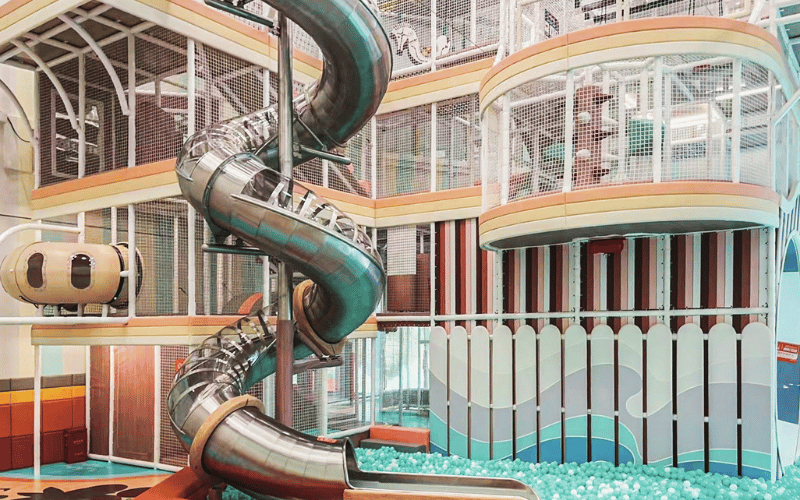
Building a commercial playground requires a significant investment, but understanding the specific costs involved ensures you make the best decisions for your community. Commercial playgrounds serve as vital developmental hubs in schools, public parks, daycare centers, and private recreational spaces. These play areas foster physical health, social interaction, and cognitive growth for children of all ages. Because they accommodate high traffic and face strict safety regulations, these structures demand robust planning and precise budgeting from the very beginning.
This comprehensive guide provides a detailed breakdown of commercial playground costs, examining the primary factors that directly influence your final price. We will explore everything from the types of equipment you select to the hidden expenses of professional installation and ongoing maintenance. By understanding where your money goes, you can strategically plan a budget-friendly yet high-quality playground project. Armed with this knowledge, you will feel fully prepared to create a spectacular, durable, and safe play environment that serves your community for decades.
4 Factors That Go Into the Cost of a Commercial Playground
1. Type of Playground Equipment
The most significant factor influencing your total budget is the specific type of playground equipment you choose to install. Basic standalone structures, such as traditional swing sets, simple straight slides, and basic climbing frames, represent the most affordable options. A standard commercial swing set typically ranges from $1,000 to $2,500, while modular climbing towers can cost $10,000 to $30,000, depending on size. Advanced sensory play equipment, such as outdoor musical instruments or interactive learning panels, generally adds another $500 to $3,000 per station. Your total equipment cost scales rapidly as you add more interactive zones and larger multi-level structures to accommodate higher capacities.
When comparing traditional playground equipment with modern designs, you must account for the growing demand for highly inclusive play spaces. Inclusive designs intentionally accommodate children with diverse physical and cognitive abilities, ensuring everyone can participate in the fun. These specialized structures often feature extra-wide wheelchair-accessible ramps, adaptive harness swings, and low-level tactile activity boards. Because these elements require advanced engineering, specialized manufacturing, and strict compliance with ADA accessibility guidelines, inclusive equipment tends to cost noticeably more than standard components. However, investing in an inclusive playground creates a profoundly welcoming community space that serves a much broader demographic.
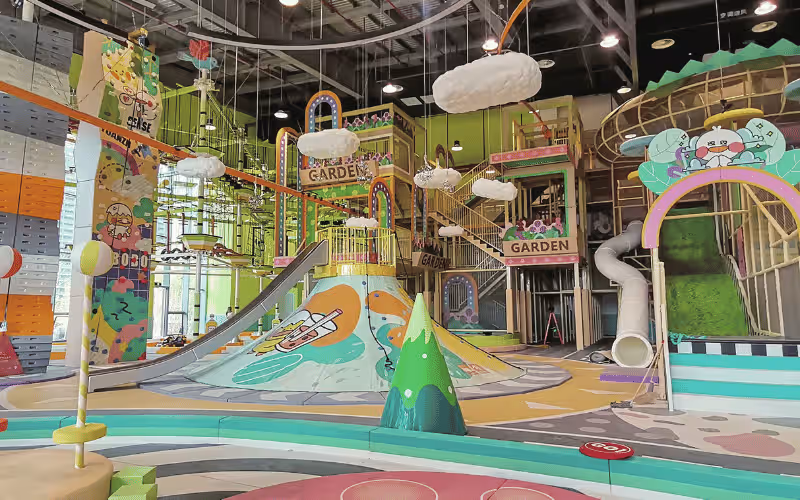
2. Installation: Above Ground vs. Inground
The method you choose for installing your commercial playground drastically impacts your overall construction budget. Above-ground installations represent the traditional and most common approach, in which contractors anchor the play structures directly to a prepared flat surface using concrete footings. This method is generally much more cost-effective because it requires minimal invasive earthworks. The installation crews simply level the designated area, secure the structural support posts, and apply the required safety surfacing directly over the existing grade. Because it involves less heavy machinery and fewer labor hours, above-ground installation keeps your initial construction costs highly manageable.
Conversely, in-ground playground installations offer unique benefits but command a significantly higher price tag. In-ground setups involve burying specific components, like specialized trampolines or ground-level merry-go-rounds, flush with the surrounding surface. This approach creates a stunning, highly aesthetic landscape that blends seamlessly into the natural environment while virtually eliminating the risk of elevated falling injuries. However, this method proves much more expensive due to the extensive site preparation required. Contractors must perform deep soil excavation, construct heavy-duty retaining walls, and install complex water drainage systems to prevent underground flooding. These massive labor and engineering requirements easily add thousands of dollars to your project.
3. Quality of Materials
The raw materials used to manufacture your commercial playground directly dictate the final price, long-term durability, and overall safety of the equipment. Commercial-grade rotationally molded plastics offer a budget-friendly, vibrant option that resists cracking and heat absorption. Heavy-duty galvanized steel provides unmatched structural strength for massive climbing frames, though it commands a higher upfront cost. High-quality natural timber creates a beautiful, rustic aesthetic perfect for nature-themed parks, but it requires premium chemical treatments to prevent rotting and splintering. Selecting superior materials significantly increases your initial expenditure, but it guarantees your playground can safely withstand decades of intense daily use and severe weather conditions.
Prioritizing weather-resistant and eco-friendly materials represents a smart strategy for maximizing your long-term financial savings. Manufacturers now offer premium components made from recycled high-density polyethylene (HDPE) plastics and sustainable composite lumbers. While these advanced eco-friendly materials usually carry a 15% to 20% price premium over standard plastics, they deliver exceptional resistance to intense UV fading, heavy rain, and extreme temperature fluctuations. By investing in these resilient, sustainable materials, you drastically reduce the frequency of costly part replacements and structural repairs. Ultimately, spending more on material quality upfront protects your bottom line and ensures a safer environment for the children.
4. Playground Design and Customization
Custom playground designs allow you to create a truly iconic recreational destination, but they require a substantially larger financial investment. When you move away from standard, off-the-shelf equipment and request bespoke structures, manufacturers must utilize specialized engineering and unique fabrication processes. Themed playgrounds—such as elaborate pirate ships, towering medieval castles, or futuristic space stations—demand custom-molded fiberglass, unique color palettes, and branded graphic panels. If you want to incorporate your school’s mascot or your corporate logo directly into the equipment, you will pay premium design fees. These highly engaging customizations instantly captivate children’s imaginations but can easily increase your equipment budget by 30% to 50%.
The integration of advanced safety features into your custom design also plays a major role in determining your final price. Modern commercial playgrounds require highly engineered, impact-absorbing safety surfacing to cushion falls and meet strict legal compliance standards. Upgrading from basic wood mulch to premium poured-in-place rubber surfacing guarantees superior accessibility and shock absorption, but it can cost between $10 and $20 per square foot. Additionally, designing fully enclosed play areas with customized safety netting, secure perimeter fencing, and protective shade canopies adds significant material and labor costs. These critical safety enhancements protect your organization from liability while providing ultimate peace of mind.
3 Other Cost Factors for Commercial Playgrounds
1. Accessories and Add-Ons
To create a fully functional and welcoming community space, you must budget for essential playground accessories and site add-ons. While the play structures are the main attraction, parents and caregivers need comfortable amenities during their visit. Heavy-duty commercial shade structures, which protect families from harsh UV rays and keep the plastic slides cool, typically range from $3,000 to $10,000, depending on their span. Commercial-grade park benches and picnic tables usually cost between $500 and $1,500 each. Furthermore, installing durable, wildlife-proof trash and recycling receptacles adds another $300 to $800 per unit to your overall site preparation budget.
While these add-ons clearly increase your total project expenses, they dramatically enhance the playground’s overall functionality and appeal. A park equipped with ample seating, cooling shade, and convenient sanitation stations encourages families to stay longer and return more frequently. When communities feel comfortable and accommodated, the playground becomes a highly successful social hub. Project managers must view these supplementary items not as optional luxuries, but as critical components that complete the recreational experience. Thoughtfully allocating funds for these site furnishings guarantees your commercial playground truly serves the diverse needs of the entire neighborhood.
2. Installation Costs
Professional installation is a mandatory expense that guarantees your commercial playground safely meets all structural and legal requirements. You cannot rely on volunteers or general handymen to assemble complex commercial play structures. Certified playground installation crews possess the specialized heavy machinery and technical expertise required to sink deep concrete footings, properly tension safety netting, and precisely align modular components. These labor costs heavily depend on your site’s initial condition. If your chosen location requires extensive tree removal, deep soil grading, or the demolition of an old playground, your site preparation expenses will skyrocket long before the new equipment even arrives. Additionally, you must pay for municipal building permits and mandatory post-installation safety inspections.
The sheer complexity and physical size of your playground dictate the final installation pricing. For a small, straightforward playground designed for a local daycare, professional installation might only cost between $3,000 and $6,000. A medium-sized neighborhood park featuring multiple slides, swings, and climbing frames typically incurs labor costs of $10,000 to $20,000. However, installing a massive, highly customized playground for a sprawling municipal park or large school district can easily generate installation fees exceeding $40,000 to $50,000. The more intricate the design and the heavier the materials, the more time and specialized labor the construction crew must dedicate to completing the project safely.
3. Maintenance and Repairs
Consistent maintenance represents an unavoidable ongoing cost that protects your substantial initial investment. Commercial playgrounds endure relentless physical punishment from thousands of energetic children and constant exposure to harsh environmental elements. To maintain strict safety standards, you must fund regular professional inspections, perform frequent high-pressure cleaning, and swiftly replace heavily worn components. Routine maintenance tasks—such as replenishing displaced loose-fill safety surfacing, lubricating moving swing joints, and touching up powder-coated steel—require a dedicated annual budget. Neglecting these simple maintenance procedures leads to rapid structural deterioration, creating hazards that could trigger significant liability issues or force the playground to close entirely.
Budgeting for inevitable future repairs ensures your playground remains operational for decades to come. Even the highest-quality materials eventually succumb to extreme weather or unexpected vandalism. Replacing a cracked plastic tube slide or repairing a damaged section of poured-in-place rubber flooring can cost several hundred to a few thousand dollars. This reality underscores the incredible value of securing comprehensive manufacturer warranties at the time of purchase. A robust warranty that covers structural steel failures for twenty years or plastic component fading for a decade drastically reduces your long-term financial burden. By proactively planning for maintenance and prioritizing strong warranties, you effectively safeguard your community’s recreational infrastructure.
Which Commercial Playground Is Best for You?
Choosing the perfect commercial playground requires a careful evaluation of your specific budget, available physical space, and the core demographic of your target audience. If you are outfitting a private daycare center with limited outdoor space, you should prioritize compact, low-level structures designed specifically for toddlers and preschool-aged children. Conversely, a sprawling municipal park demands massive, multi-level climbing frames and diverse interactive zones to engage hundreds of children across age groups. You must also establish a firm, realistic budget early in the planning process, ensuring you allocate sufficient funds not only for the play equipment but also for the mandatory safety surfacing, professional installation, and essential site amenities such as seating and shade.
Balancing your financial constraints with uncompromising quality and safety standards remains the ultimate key to a successful project. You should never cut corners by purchasing inferior materials or attempting a DIY installation, as these decisions directly jeopardize children’s safety and vastly increase your liability. Instead, seek out durable, commercial-grade equipment backed by comprehensive warranties. We highly recommend consulting with certified playground designers and professional landscape architects to develop tailored solutions. These industry experts can help you navigate complex ADA accessibility guidelines, maximize your available square footage, and select the most engaging equipment combinations that perfectly align with your community’s unique vision and long-term financial resources.
Conclusion
Building a commercial playground in 2026 involves navigating a complex landscape of costs, but understanding these factors empowers you to make highly strategic decisions. Your total investment relies heavily on the scale of the play equipment, the choice between traditional and custom designs, the quality of the manufacturing materials, and the hidden costs of site preparation and professional installation. Furthermore, budgeting for essential park accessories and ongoing preventative maintenance ensures your facility remains functional and welcoming for the long haul. We strongly encourage community leaders, school administrators, and project managers to plan meticulously and invest heavily in premium, safety-certified equipment. By taking a thoughtful, quality-first approach to your planning, you ensure a spectacular, durable, and deeply engaging play environment that will safely inspire children for generations to come.