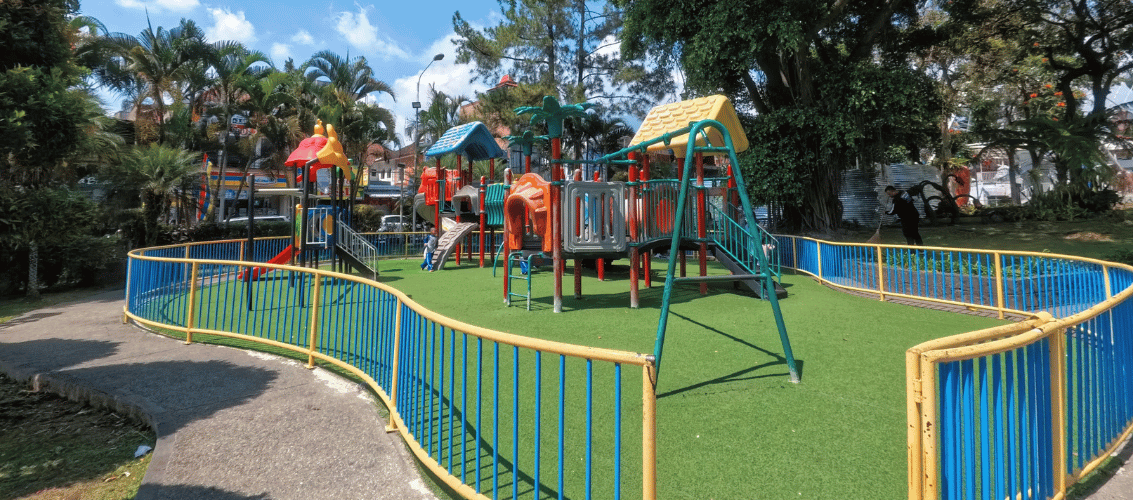
Building an outdoor playground is more than just creating a space for children to play—it’s about fostering community, encouraging physical activity, and sparking creativity. Outdoor playgrounds serve as vibrant hubs where people of all ages can connect, learn, and grow. By incorporating custom playground equipment, you can create a unique and engaging environment that meets the specific needs of your community. From stainless steel slides to freestanding swings and outdoor musical instruments, the possibilities are endless. A well-designed playground not only enhances the aesthetic appeal of a space but also creates lasting memories for families and friends.
Why Build an Outdoor Playground?
Creating an outdoor playground in your community space, whether it’s a neighborhood, local park, or school, offers numerous benefits. It brings people together, promoting physical activity, creativity, and social interaction. Playgrounds are particularly appealing due to their inclusivity; they cater to children of all ages and abilities, making them a perfect addition to any community.
At Custom Playgrounds Co., we’ve seen firsthand how such initiatives can unite people. We recently collaborated with a local school to design and install a custom playground, which became a hub for students, parents, and teachers. The playground not only encouraged active play but also fostered friendships and strengthened the community. It was more than just a play area; it was a space for connection, learning, and fun.
Building an outdoor playground can be more than just adding recreational equipment; it can be a catalyst for creating a vibrant and inclusive community. From schools and parks to residential complexes and corporate campuses, a playground is a valuable addition to any space. Whether for family outings, school recess, or community events, an outdoor playground provides a safe and engaging environment for everyone.
Ready to Build Your Custom Playground?
If you’ve decided to create an outdoor playground for your school, park, or community space but don’t know where to start, this guide will help you understand the basics of designing and building a custom playground.
Step 1: Determine Your Space
Are you transforming an empty backyard into a playground? Are you upgrading an existing play area? Or are you starting from scratch with a brand-new outdoor playground? Whatever your situation, it’s essential to evaluate your available space and plan accordingly to ensure safety, functionality, and fun.
For instance, if you’re working with a small backyard, you might focus on compact, multi-functional equipment that maximizes play opportunities without overcrowding. On the other hand, if you’re designing a large community playground, you’ll need to consider zoning for different age groups, accessibility features, and open areas for free play. Proper planning ensures that your playground meets the needs of its users while adhering to safety standards.
Playground Space Guidelines:
- Minimum Clearance: Ensure at least 6 feet of clearance around all equipment for safety.
- Fall Zones: Allow for a fall zone of at least twice the height of the tallest equipment.
- Surface Material: Choose impact-absorbing materials like rubber mulch, sand, or engineered wood fiber.
- Accessibility: Include ramps, wide pathways, and inclusive equipment to accommodate all children.
By carefully assessing your space and understanding these guidelines, you’ll create a playground that’s not only fun but also safe and inclusive for everyone.
Step 2: Choose Playground Surface Materials
If you are building your outdoor playground from scratch or upgrading an existing one, selecting the right surface material is a critical step. The surface not only impacts the safety of the playground but also its durability and maintenance needs. Common types of playground surface materials include the following:
- Rubber Mulch: This material is highly durable and provides excellent shock absorption, making it a top choice for safety. It’s also available in various colors to enhance the playground’s aesthetic appeal.
- Engineered Wood Fiber: A more natural-looking option, this material is cost-effective and provides good cushioning. However, it requires regular maintenance to ensure even coverage.
- Poured-in-Place Rubber: This seamless surface is ideal for accessibility and long-term use. It’s durable, low-maintenance, and customizable in terms of color and design.
- Sand or Pea Gravel: These traditional materials are affordable and easy to install but may not provide the same level of safety or accessibility as modern options.
Step 3: Pick Out Perimeter Fencing
Fencing is essential for any outdoor playground as it defines the play area, enhances safety, and provides security for children. There are several types of playground fencing to consider, but wire fences are among the most popular. They allow clear visibility for parents and caregivers while ensuring the playground remains well-lit and secure.
When choosing fencing, prioritize materials that are durable and safe. For example, opt for rust-resistant coatings to prevent injuries and extend the fence’s lifespan. A professional contractor experienced in playground installations can help you select and install the right fencing for your space.
Playground Fencing Dimensions: A height of 4 to 6 feet is typically recommended to keep children safe while maintaining an open and welcoming feel.
Step 4: Equip Your Playground with Lighting
Proper lighting is essential for ensuring the safety and usability of your playground, especially during evening hours. Outdoor playground lighting should follow standard guidelines to provide adequate illumination without causing glare or shadows. A common setup includes installing two 1,500-watt light poles. Each pole should be 18 to 20 feet high and positioned strategically to cover the entire play area. Ensure the poles are mounted securely and placed at least 24 inches away from the playground equipment to avoid interference.
Step 5: Select Custom Playground Equipment
Once you’ve determined your space, surface materials, and lighting, the next step is to choose the right custom playground equipment. Consulting with a playground expert can help you find equipment tailored to your specific needs and preferences. Outdoor playground equipment is designed to withstand weather conditions and provide long-lasting durability. A complete custom playground setup may include the following:
Option 1: Fixed Equipment System
- Slides
- Swings
- Climbing structures
- Balance beams
Option 2: Modular Equipment System
- Interchangeable play panels
- Freestanding components
- Customizable layouts for different age groups
By selecting high-quality, weather-resistant equipment, you can create a playground that is safe, engaging, and built to last.
Step 6: Set Up Your Playground
After selecting the surface materials, fencing, lighting, and custom equipment, it’s time to bring your playground to life. The following tips can guide you through the setup process:
Hire a professional contractor: While assembling small playground equipment might be manageable for a homeowner, hiring a professional ensures that everything is installed safely and meets local safety standards. This is especially important for community or school playgrounds, where compliance with regulations is critical.
Plan the layout carefully: Position the playground to maximize safety and usability. For example, place taller equipment in shaded areas to prevent overheating and ensure clear sightlines for supervision. Leave enough space between equipment to avoid overcrowding and allow for safe play.
Install safety features: Ensure that all equipment is securely anchored and that fall zones are adequately padded with the chosen surface material. Double-check that bolts, screws, and other fasteners are tightened and covered to prevent injuries.
Follow playground safety guidelines: Adhere to standards set by organizations like ASTM International or the Consumer Product Safety Commission (CPSC). These guidelines cover everything from equipment spacing to surface depth, ensuring a safe play environment.
Integrate portable play elements: For added flexibility, consider adding freestanding climbers or activity panels. These can be easily moved or replaced to adapt to changing needs.
Building a playground is a rewarding project that can bring joy and activity to your community. With careful planning and attention to detail, you can create a safe, engaging space that children will love for years to come.
Ready to Get Started?
Contact a playground specialist to help you select the best equipment and materials for your project.