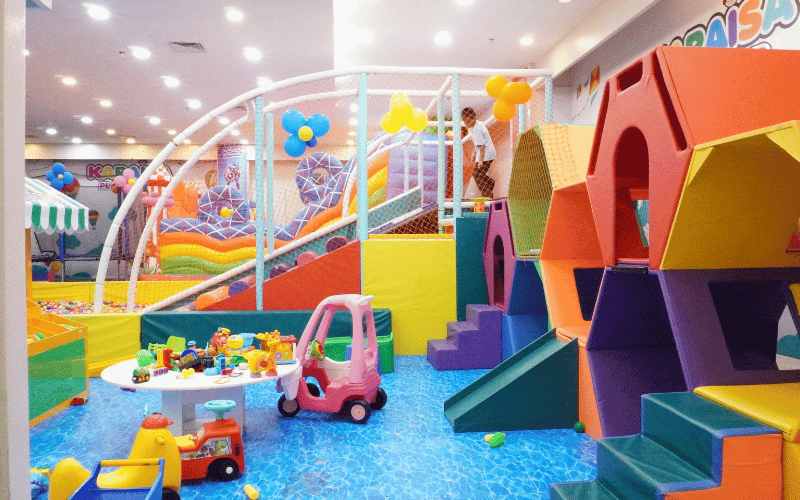
You’ve had the idea to start a commercial indoor playground, hoping to blend your passion for family fun with the joy of bringing people together. You have come to the right place. A well-run indoor playground is more than just a business; it’s a community hub where children make friends, parents connect, and families create lasting memories in a safe, vibrant environment.
We’re going to walk you through how to start a commercial indoor playground, covering everything from the costs involved, advice on finding investors, selecting the best equipment, and more. While starting any business venture is as exhilarating as it is stressful, you’ll leave here today with a sense of confidence and clarity on your next steps. That being said, what exactly is a commercial indoor playground, and how does it work?
How Do Commercial Indoor Playgrounds Work?
A commercial indoor playground offers a unique twist on traditional recreational spaces, combining active play with family-friendly amenities. It operates by providing a large, secure area with a range of play structures, from multi-level climbers and slides to soft-play zones for toddlers. Unlike outdoor parks, these facilities offer a year-round, weatherproof solution for families seeking safe, engaging activities for their children. The core appeal lies in creating an environment where kids can burn off energy, develop motor skills, and socialize, all under one roof.
Customers typically pay an admission fee for a set period or purchase memberships for unlimited access, which fosters longer visits and greater secondary sales. Menus are often designed with both kids and parents in mind, featuring easy-to-eat snacks, coffee, and healthy options. This model encourages families to stay longer, turning a simple play session into a complete outing.
Successful indoor playgrounds also cultivate a strong sense of community through regularly scheduled events, classes, and themed activities. Offerings such as toddler music sessions, character meet-and-greets, or holiday-themed parties build a loyal customer base that returns frequently. Understanding this dynamic business model is vital for anyone exploring how to start a commercial indoor playground, especially given the significant financial considerations involved.
How Much Does it Cost to Open a Commercial Indoor Playground?
How much does it cost to open a commercial indoor playground—and what recurring expenses do you need to account for? The costs can vary widely depending on your location, the size of your facility, and the level of investment in your play equipment and decor. We’ll highlight these initial and ongoing costs and offer budgeting tips below before getting into strategies for finding investors for your indoor playground.
Breaking Down the Initial Investment
There is no way around it—starting a commercial indoor playground business from scratch will require substantial seed money. That being said, here’s what makes up the cost to open a commercial indoor playground:
Lease and renovation costs are typically the largest expense and depend heavily on location and size. You’ll need a large, open-plan commercial space, and renovations to fit the playground’s theme—including specialized safety flooring, designated party rooms, and a reception area—can be extensive. The play equipment itself is a major investment, with costs for large, custom structures ranging significantly based on complexity and features.
Beyond the main play structures, you’ll need to budget for furniture and equipment. This includes comfortable seating for parents, durable tables and chairs for a café area, and reception-desk technology. Don’t forget the kitchen or snack bar equipment if you plan to serve food and beverages. Initial inventory includes food and drink, branded merchandise, and essential supplies such as cleaning products and first-aid kits.
Finally, you must account for licenses, permits, and insurance. Costs for necessary business licenses, health department permits for food service, and occupancy permits will vary by location. Comprehensive liability insurance is non-negotiable for a business involving children’s physical activity and represents a high upfront cost. All in, the cost to open a commercial indoor playground can range from $100,000 to over $500,000, depending on the scale of your goals.
Recurring Expenses to Consider
While so much emphasis is placed on the initial budget to start your commercial indoor playground, it’s important that you think ahead and have the ability to cover recurring expenses each month. These ongoing costs are crucial for maintaining a safe, clean, and engaging environment.
The largest recurring expenses will likely be staff salaries and rent. Monthly salaries for front desk staff, party hosts, and cleaning crews can range from $5,000 to $15,000, depending on the number of employees and local wage rates. Rent for a suitable commercial space, plus utilities such as electricity, water, and internet, can easily range from $5,000 to $20,000 or more, depending on your market. Other consistent costs include restocking inventory for your café and retail sections, which could be a few thousand dollars per month, as well as ongoing marketing and advertising efforts to keep attracting new and returning customers.
Strategies for Budgeting and Financial Planning
You might be reeling, thinking about the cost to open a commercial indoor playground—how can you afford all this? But it becomes much more feasible with careful budgeting and financial planning. Start by creating a comprehensive business plan outlining all potential expenses to get a clear picture of the required capital. The numbers we gave above are all rough estimates; your detailed research will provide a more accurate forecast. From there, you can start researching small-business loans and other financing options if personal investment isn’t sufficient. We’ll talk shortly about how to find investors for an indoor playground. Our advice to make the journey more manageable is to start with a smaller, focused facility and expand as the business grows. You can use profits to add new play equipment or services over time.
Is Opening a Commercial Indoor Playground Profitable?
Is opening a commercial indoor playground profitable? It certainly can be. But we want to help you set your expectations, as some playgrounds will rake in profits while others flop. Knowing what separates the two will help you ensure yours is a smashing success. Success hinges on a combination of strategic planning, operational efficiency, and creating an experience that keeps families coming back.
First and foremost, it’s important to determine whether or not an indoor playground will work in your specific area. So, analyze the demographics of your intended location. Areas with a high concentration of young families are ideal. Proximity to schools, daycares, and family-friendly residential neighborhoods can drive consistent foot traffic. A location in a suburban shopping center with ample parking can be a goldmine, as parents appreciate the convenience.
From there, you can start to forecast your revenue streams. The primary revenue for an indoor playground typically comes from general admission fees. However, food and beverage sales significantly boost profit margins. Coffee for parents and kid-friendly snacks can be highly profitable. A cover charge or hourly rate for gameplay also contributes significantly. You can get really creative with other streams, though.
Consider hosting events such as birthday parties, which are a huge revenue driver. Offering different party packages at various price points can appeal to a wide range of budgets. Selling branded merchandise, offering specialized classes (such as art or music), and hosting seasonal events can also generate additional revenue. Offering memberships or loyalty programs can create a steady income stream and encourage repeat business. Efficient operation is crucial to maximizing profit margins. This includes effective inventory management for your café, minimizing waste, and optimizing staff scheduling to match peak hours.
How to Start a Commercial Indoor Playground: Step-by-Step Guide
The actual process of starting a commercial indoor playground requires careful planning and meticulous preparation. We are going to provide a high-level overview of what goes into this venture to help you start on the right foot—beginning with what you need to get your playground business up and running.
What You Need to Start a Commercial Indoor Playground
You obviously need safe, exciting play equipment—but we’ll get to that later. Let’s first talk about the essential furniture, technology, and other items needed to launch your operation. The choice of seating for parents and party areas cannot be overlooked. Comfortable, durable furniture can set your playground apart and elevate the experience for families, ensuring they return and recommend your space.
A reliable Point of Sale (POS) system is crucial for managing admissions, party bookings, and snack bar sales. You’ll also need secure lockers for guest belongings, appropriate flooring for safety and hygiene, and engaging decor to create a vibrant, welcoming atmosphere.
How to Find Investors for Your Indoor Playground
One of the biggest questions on your mind may be how to find investors for your indoor playground. They can provide the necessary financial boost to cover significant startup costs, but this support comes with important considerations. Investors offer capital, but they can also bring valuable business expertise and networking opportunities to the table. However, this often means sharing decision-making authority and a portion of your business’s control.
To attract investors, develop a compelling business plan that highlights the uniqueness and profitability of your concept. Emphasize your target market, revenue projections, and safety protocols. Networking at local business events, family-focused expos, and online platforms for startups can connect you with potential partners.
Choosing the Perfect Location
Choosing the right location is critical for the success of your indoor playground. High-traffic areas, proximity to schools, or family-dense suburban neighborhoods are ideal. The space itself needs to be large enough to accommodate sprawling play structures, dedicated toddler zones, party rooms, a reception area, and a café, while still feeling secure and manageable.
Pay close attention to zoning laws, ceiling height requirements for large equipment, and ample parking availability for your customers. Easy accessibility from major roads is a significant plus, making it convenient for parents to bring their children for a day of fun.
Designing Your Indoor Playground
Designing your indoor playground should strike a balance between fun, functionality, and, most importantly, safety. The decor should be vibrant and imaginative, creating an immersive environment that captivates children. Comfort is also key, so ensure there are clear sightlines for parents and a layout that allows for easy movement and supervision.
Incorporate elements that fit a cohesive theme—whether it’s a jungle, a castle, or outer space. Pay close attention to your color scheme and lighting; they should be bright and cheerful without being overstimulating. All design choices must prioritize safety, from padded surfaces to rounded corners on furniture.
Building Your Play Equipment Collection
Perhaps the most important part of starting an indoor playground is the equipment itself. Start by selecting a wide range of structures to cater to various age groups and abilities. Include large multi-level climbers for older kids, soft play areas for toddlers, and interactive elements like slides, ball pits, and obstacle courses.
Keep an eye on industry trends and safety standards to ensure your collection is modern and secure. The diversity and quality of your play equipment will be a primary draw for families, so continually inspect and maintain your structures to keep them fresh and exciting.
Developing a Winning Menu
The menu at your indoor playground should complement the family-friendly experience. It’s wise to offer a mix of kid-approved snacks, healthy options, and more substantial finger foods for parties. For the parents, quality coffee, tea, and other beverages are often big sellers and encourage them to relax while their children play.
Remember, the key is to offer items that are easy for both children and adults to consume with minimal mess. Getting creative by tying your menu items to your playground’s theme can also enhance the overall experience and create memorable moments for your guests.
Obtaining Necessary Licenses and Permits
Before opening your doors, you must ensure you have all the necessary licenses and permits. This typically includes a business license, a food service permit if you plan to sell food, and health department approvals. You will also need to comply with fire safety regulations and pass building inspections.
The requirements can vary significantly by city and state, so check with your local authorities early in the process. Also, obtaining adequate liability insurance is non-negotiable for a business that involves children’s physical activities. Compliance is key to a safe and legal operation.
Setting Up Your Financial Systems
Start by setting up a robust accounting system to track your revenue and expenses accurately. This system should help you manage daily bookkeeping, payroll for your staff, and tax obligations. Utilizing accounting software can streamline this process, offering valuable insights into your business’s financial health and performance.
Additionally, develop a detailed budget and regularly review your financial statements against it. This practice will help you identify areas for cost savings, manage cash flow effectively, and make informed decisions about future investments or expansions for your playground.
Hiring and Training Staff
As your business prepares to launch, hiring the right staff is critical to its success. Look for individuals who not only have excellent customer service skills but also a genuine enthusiasm for working with children. This passion can significantly enhance the customer experience and create a positive, welcoming atmosphere.
Once hired, comprehensive training is essential. Your staff should be well-versed in all safety protocols, first-aid procedures, and playground rules. They should also be trained to manage party bookings, process transactions, and maintain the facility’s cleanliness and organization.
Marketing and Promoting Your Playground
Start by creating a strong brand identity that reflects the unique, fun personality of your playground. Utilize social media platforms like Instagram and Facebook to reach potential customers by sharing engaging photos, videos of the play space, event announcements, and special promotions.
Consider partnerships with local schools, parenting groups, and family-focused businesses to widen your reach. Hosting special events, character meet-and-greets, and themed party packages can also draw in crowds. Don’t forget the power of word-of-mouth—encourage your happy customers to share their experiences on social media and local review sites.
Ensuring an Exceptional Customer Experience
The overall customer experience begins the moment a family walks through your door. Ensure your facility is impeccably clean, welcoming, and well-organized. A friendly greeting at the front desk sets a positive tone for the entire visit. The little touches make a big difference, so consider offering free Wi-Fi for parents, providing comfortable seating with good sightlines to the play areas, and playing upbeat, family-friendly music at an appropriate volume.
Play equipment must be accessible and well-maintained, with clear rules posted to ensure safety. Staff should be visible, friendly, and proactive in helping guests and maintaining order. A seamless process for check-in, ordering food, and booking parties reduces stress for parents.
Remember that a happy customer is your best advocate. A positive experience encourages repeat visits and powerful word-of-mouth marketing. By consistently prioritizing cleanliness, safety, and friendly service, you create a trusted community space where families feel valued and eager to return.
Final Thoughts on How to Start a Commercial Indoor Playground
That concludes our detailed guide on how to start a commercial indoor playground business. We’ve covered everything from the initial costs involved to what equipment you need to launch—and walked you through all the other key considerations along the way. Learn more about the role of innovative play structures, safety certifications, and designing engaging party rooms in setting your playground apart. Otherwise, it’s time for you to get to work now that you know how to navigate this exciting industry!
From curating a thrilling mix of slides and ball pits to creating a welcoming space for parents to unwind, each step builds towards a thriving community hub. Let your passion for family entertainment guide you in crafting an extraordinary destination, where every visit is an adventure and every play session creates a lasting memory.