Have you ever wondered why some playground equipment lasts longer and performs better than others? The secret lies in regular maintenance and proper care. Just like routine check-ups for your health, maintaining your playground equipment ensures safety, functionality, and durability over time.
At Shanghai Inqila & Playground Equipment Manufacturer, we understand the importance of keeping your playground equipment—like stainless steel slides, freestanding swings, and outdoor fitness stations—in top condition. In this blog, we’ll share proven strategies to maintain and extend the lifespan of your playground equipment, helping you create a safe and enjoyable space for all.
Optimal Maintenance Starts with Quality Equipment
The foundation of effective playground maintenance begins with investing in high-quality, durable equipment from the outset. Choosing playground equipment that prioritizes strength, safety, and longevity is essential for creating a space that remains functional and enjoyable for years to come.
Well-engineered products, such as stainless steel slides and freestanding swings, are designed to withstand heavy use and harsh weather conditions. These materials not only ensure long-term durability but also enhance safety by reducing the risk of wear-related accidents. Properly manufactured equipment minimizes maintenance needs, allowing playground operators to focus on routine inspections and minor repairs rather than frequent replacements.
At Shanghai Inqila, we specialize in providing premium playground solutions tailored to your needs. To learn more about our range of high-quality equipment, contact us today at inqila3@inqila.com or +86 15820711336.
Playground Slides
Playground slides, including stainless-steel, spiral, wave, and S-form designs, require regular cleaning and inspection to maintain safety, functionality, and visual appeal. Proper maintenance ensures these slides remain free of dirt, rust, and damage, providing a safe and enjoyable experience for children.
To clean your slides, start by using a soft-bristled brush to remove dirt, debris, or dust from the surface. For stainless steel slides, inspect for signs of rust or scratches that could compromise their durability. Mix a small amount of mild detergent with warm water, then use a soft sponge or cloth to gently scrub the slide. Avoid abrasive materials that could scratch the surface. Rinse thoroughly with clean water to remove any soap residue, and dry the slide completely to prevent water spots or corrosion.
During inspections, check for structural damage, such as cracks or loose bolts, and ensure that the slide is securely anchored. Please address any issues promptly to maintain safety. Regular cleaning and inspections not only extend the lifespan of playground slides but also ensure they remain a safe and inviting feature for all users.
Properly Storing Playground Slides
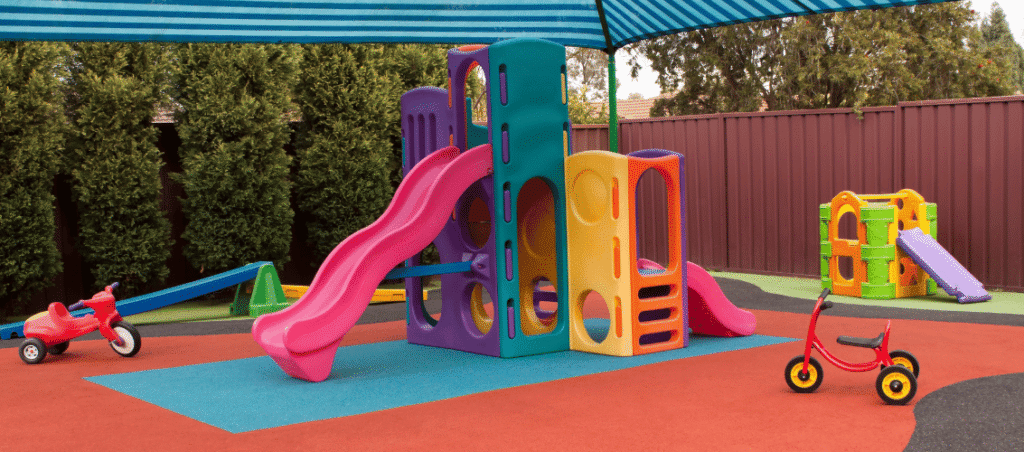
Proper storage of playground slides during off-seasons is essential for maintaining their durability and safety. Slides, whether stainless steel, spiral, wave, or S-form, should be stored in a cool, dry, well-ventilated space to prevent damage from moisture, mold, and UV exposure.
To protect slides from moisture, ensure they are thoroughly cleaned and dried before storage. Any residual water can lead to rust on metal slides or mold on plastic surfaces. Use protective covers to shield the slides from dust and UV rays, which can cause fading or material degradation over time. Avoid storing slides directly on the ground, as this can expose them to dampness and dirt. Instead, use wall-mounted racks or elevated platforms to keep them secure and off the floor.
By following these storage practices, you can extend the lifespan of your playground slides and keep them in excellent condition for future use. Proper care during the off-season not only reduces replacement costs but also ensures a safe and enjoyable play experience for children.
Freestanding Playground Equipment
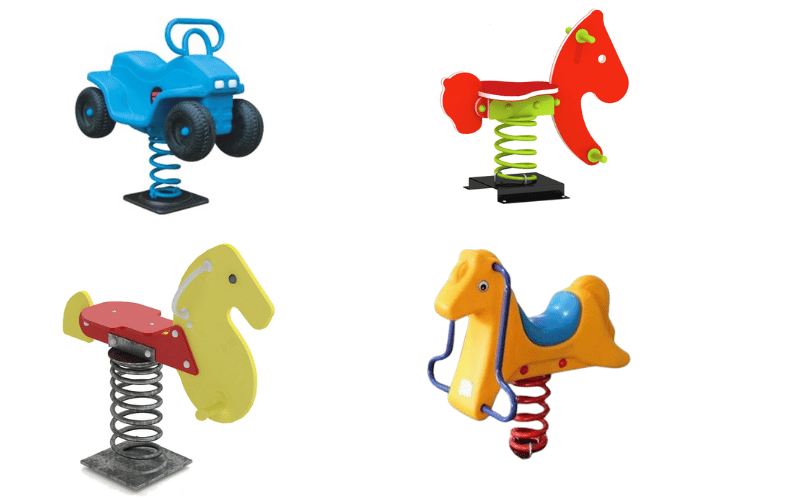
Freestanding playground equipment, such as swings, merry-go-rounds, and spring riders, requires regular maintenance to ensure safety and longevity. Let’s take a closer look at the specific maintenance needs for each type of equipment.
Swings
Swings are a staple of any playground and require frequent inspections. Check the chains and seats for wear, rust, or cracks. Tighten any loose bolts and ensure the swing frame is securely anchored to the ground. Lubricate the chain connectors and pivot points to maintain smooth movement and reduce noise. Regular cleaning with mild detergent will help prevent dirt buildup and maintain the swing’s appearance.
Merry-Go-Rounds
Merry-go-rounds are dynamic play structures that demand careful attention. Inspect the central pivot and bearings for wear or damage, as these are critical for smooth rotation. Lubricate all moving parts to reduce friction and ensure safe operation. Check for rust or corrosion on metal surfaces and treat them promptly. Additionally, ensure the merry-go-round is properly anchored to prevent tipping during use.
Spring Riders
Spring riders are popular among younger children and require regular checks to ensure safety. Inspect the springs for cracks, rust, or excessive wear, and replace them if necessary. Tighten all bolts and ensure the rider is securely fastened to its base. Clean the surface with a soft cloth and mild detergent to maintain its appearance and prevent dirt buildup.
By addressing the unique maintenance needs of each type of freestanding equipment, you can ensure a safe and enjoyable playground experience for all users.
Outdoor Fitness Equipment
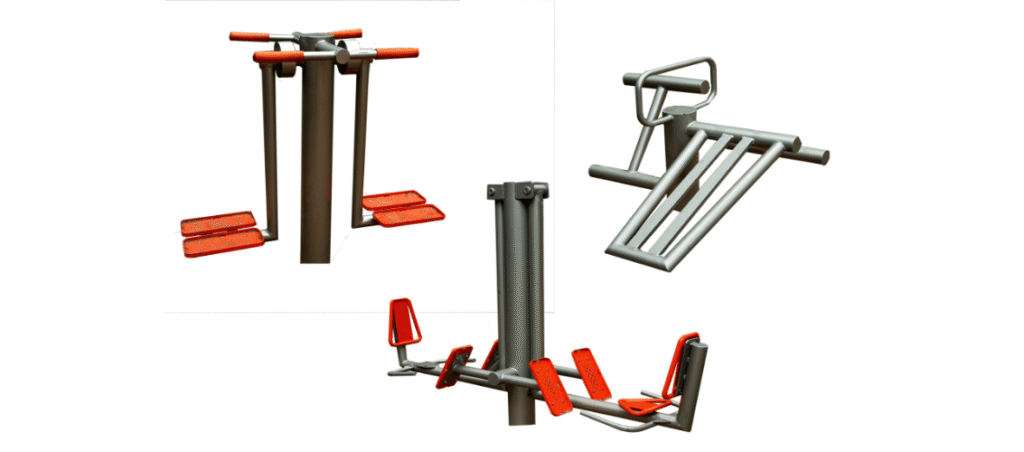
Outdoor fitness equipment, such as pull-up bars, balance beams, and resistance machines, requires consistent maintenance to ensure safety, functionality, and longevity. Each component plays a vital role in providing a safe and effective workout experience. Let’s take a closer look at the key maintenance practices for outdoor fitness stations.
Cleaning and Protecting Metal Surfaces
Metal components, such as pull-up bars and resistance machines, are particularly susceptible to rust and corrosion when exposed to outdoor elements. Begin by cleaning these surfaces with a soft cloth, warm water, and a mild detergent to remove dirt, sweat, and grime. Avoid abrasive materials that could scratch the surface and cause further damage. After cleaning, rinse thoroughly and dry the equipment to prevent moisture buildup.
To protect against rust, apply a rust inhibitor or protective coating to metal surfaces, especially in areas prone to wear, such as joints and connection points. For equipment located in coastal areas, where salt and humidity are prevalent, more frequent cleaning and rust prevention measures are recommended.
Inspecting Structural Integrity
Routine inspections are essential for identifying potential hazards and ensuring equipment remains safe for users. Check for loose bolts, cracks, or signs of wear on all components. Pay special attention to high-stress areas, such as hinges, joints, and weight-bearing parts. Tighten any loose bolts immediately and replace damaged parts in accordance with the manufacturer’s guidelines.
For resistance machines, inspect the cables and pulleys for fraying or wear. Replace any compromised cables to prevent accidents. Similarly, check the stability of balance beams and ensure they are securely anchored to the ground.
Lubricating Moving Parts
Moving parts, such as hinges, bearings, and pulleys, require regular lubrication to ensure smooth operation and reduce friction-induced wear. Use a manufacturer-recommended lubricant and apply it sparingly to avoid attracting dirt and debris. Proper lubrication not only extends equipment lifespan but also enhances the user experience by ensuring seamless functionality.
Anchoring and Stability
Proper anchoring is critical for the safety of outdoor fitness equipment. Inspect the anchoring points regularly to ensure the equipment is securely fastened to the ground. For equipment installed on soft surfaces, such as grass or sand, check for any shifting or loosening over time. Reinforce the anchoring as needed to maintain stability.
Preventing Environmental Damage
Outdoor fitness equipment is constantly exposed to environmental factors, such as UV rays, rain, and temperature fluctuations. To minimize damage, consider installing protective covers during periods of non-use or extreme weather. Additionally, ensure the surrounding area is free from debris, such as leaves or branches, which can accumulate and cause wear over time.
By following these detailed maintenance practices, outdoor fitness equipment can remain safe, durable, and inviting for users of all ages. Regular care not only enhances the equipment’s performance but also reduces long-term repair and replacement costs, ensuring a sustainable and enjoyable fitness environment for the community.
Playground Safety Padding
Safety padding is a critical component of playground equipment, designed to protect users from injuries during play. Whether it’s installed on poles, edges, or other high-impact areas, safety padding provides a cushioned barrier that minimizes the risk of serious harm. Proper maintenance of this padding is essential to ensure its effectiveness and longevity.
Importance of Safety Padding
Playground safety padding is typically made from materials such as foam, polyurethane, synthetic leather, or rubber. These materials are specifically chosen for their ability to absorb impact and reduce injury severity. Padding is essential in areas where children are likely to collide with equipment, such as around poles, climbing structures, or balance beams. By providing a soft surface, safety padding enhances playground safety and gives parents and caregivers peace of mind.

Maintenance Tips
To maintain the effectiveness of safety padding, regular cleaning and inspections are necessary. Use a soft cloth and mild detergent to clean the surface, removing dirt, grime, and other debris that can accumulate over time. Avoid using harsh chemicals or abrasive materials, as these can damage the padding and reduce its durability.
Inspect the padding frequently for signs of wear and tear, such as cracks, rips, or compressed areas. If any damage is detected, replace the padding immediately to maintain a safe play environment. Worn-out padding can lose its ability to absorb impact, increasing the risk of injuries.
Storage and Care
When not in use, safety padding should be stored in a cool, dry place to prevent damage from moisture or extreme temperatures. Avoid dragging the padding across rough surfaces, as this can cause unnecessary wear. Proper storage and handling will extend the lifespan of the padding and ensure it remains effective for years to come.
By prioritizing the maintenance and care of safety padding, playground operators can create a safer environment for children while reducing the likelihood of accidents. Regular upkeep not only enhances safety but also preserves the quality and appearance of the playground equipment.
Fasteners and Connectors
Fasteners and connectors, such as bolts, screws, and other hardware, are essential for maintaining the structural stability of playground equipment. These small yet vital components ensure that the equipment remains securely assembled and safe for use. Regular inspection and maintenance of fasteners and connectors are crucial to prevent accidents and extend equipment lifespan.
Importance of Inspection
Over time, fasteners and connectors can experience wear and tear due to constant use, weather exposure, and environmental factors. Loose or damaged bolts and screws can compromise the stability of playground structures, increasing the risk of accidents. Regularly inspecting these components for signs of rust, corrosion, or loosening is essential to ensure the equipment remains safe and functional.
Maintenance Tips
To maintain the integrity of fasteners and connectors, tighten any loose bolts or screws during routine inspections. Use the appropriate tools to ensure a secure fit without over-tightening, which could damage the hardware or surrounding materials. If any fasteners show signs of rust, replace them immediately to prevent further deterioration.
For metal connectors, apply a rust inhibitor to protect against corrosion, especially in outdoor environments. Clean the hardware with a soft cloth and mild detergent to remove dirt and debris that can accelerate wear.
Storage and Replacement
When replacing damaged fasteners, always use manufacturer-recommended parts to ensure compatibility and safety. Keep a supply of spare bolts, screws, and connectors on hand for quick replacements. Store these components in a cool, dry place to prevent rust and maintain their quality.
By prioritizing the maintenance of fasteners and connectors, playground operators can ensure the structural stability of equipment and provide a safe environment for users. Regular care not only enhances safety but also reduces the need for costly repairs or replacements in the long run.
Seasonal Maintenance Tips
Seasonal maintenance is essential for ensuring that playground equipment remains safe, functional, and visually appealing throughout the year, just as net height chains in volleyball systems require regular care to prevent rust and degradation, playground equipment benefits from a consistent inspection and maintenance routine tailored to seasonal changes.
Inspection and Cleaning
At the start of each season, inspect all playground equipment for signs of wear, rust, or weather-related damage. Use a soft cloth and mild detergent to clean surfaces, removing dirt, grime, and debris that may have accumulated during the off-season. Please pay special attention to metal components, as they are more prone to rust and corrosion.
Preventing Rust and Degradation
To protect equipment from rust, apply a rust inhibitor to metal surfaces, especially in areas exposed to moisture or humidity. For wooden structures, check for splinters, cracks, or rot, and treat the wood with a weather-resistant sealant if necessary. Plastic components should be inspected for cracks or UV-induced fading, and any damaged parts should be replaced promptly.
Seasonal Storage
For equipment that is not in use year-round, such as portable play structures or accessories, proper storage is crucial. Store these items in a cool, dry place to prevent moisture buildup and degradation. Ensure that all components are thoroughly cleaned and dried before storage to avoid mold or mildew.
By following these seasonal maintenance tips, playground operators can extend the lifespan of their equipment and ensure a safe and enjoyable play environment for children. Regular care not only enhances the equipment’s durability but also reduces the need for costly repairs or replacements over time.
Floor Anchors and Foundations
Floor anchors and foundations are essential for maintaining the stability and safety of freestanding playground equipment. These components ensure that structures remain securely in place during use, preventing tipping or shifting that could lead to accidents. Regular inspection and maintenance of floor anchors and foundations are crucial to preserving the integrity of the equipment and ensuring user safety.
Importance of Inspection
Frequent inspections are necessary to identify any cracks, defects, or signs of wear in the foundations or anchoring systems. Loose or damaged anchors can compromise equipment stability, increasing the risk of accidents. Check that all bolts, screws, and rivets are secure and flush with the surface. For concrete or other solid foundations, inspect for cracks or erosion that could weaken the base.
Cleaning and Maintenance
To maintain the functionality of floor anchors and foundations, clean them regularly with a soft cloth and mild detergent to remove dirt, debris, and moisture. Avoid using abrasive materials that could damage the surface. For metal components, apply a rust inhibitor to protect against corrosion, especially in outdoor environments where rain and humidity are common.
Ensuring Stability
Stability is key to preventing accidents. Ensure that all anchors are correctly installed and securely fastened to the ground. For equipment installed on soft surfaces, such as sand or grass, check for any shifting or settling over time and reinforce the foundation as needed. If any instability is detected, address it immediately to avoid further issues.
By prioritizing the maintenance of floor anchors and foundations, playground operators can ensure the safety and stability of freestanding equipment. Regular care not only enhances user safety but also extends equipment lifespan, reducing the need for costly repairs or replacements.
Follow These Tips to Maximize Your Playground Equipment’s Lifespan
Investing in high-quality playground equipment is essential for creating a safe and enjoyable play environment. Whether you’re managing a public park, school playground, or private play area, choosing durable and customizable equipment ensures long-term value and satisfaction.
To maximize the lifespan of your playground equipment, regular maintenance is key. Routine inspections, proper cleaning, and secure storage are all critical steps to keep your equipment in excellent condition. These practices not only enhance safety but also save time and money by reducing the need for frequent repairs or replacements.
By following these tips, you can extend the life of your playground equipment and provide a safe, fun space for children to play without worry.
Explore the durable and customizable products offered by Shanghai Inqila & Playground Equipment Manufacturer today to find the best solutions for your playground needs.