I’ve spent years around play equipment, and one of the fastest-growing corners of the industry right now isn’t a big indoor center. It’s the soft play rental that pulls up to a toddler’s birthday, builds a little foam wonderland in someone’s living room or backyard, and packs up two hours later.
If you’ve thought about starting a soft play rental business, you’re looking at a smart little venture. The startup cost is manageable, the demand is real, and you can grow it at your own pace. Let me walk you through how to actually launch one, from the legal paperwork to your first booking.
Here’s what you’ll get by the end:
- What a soft play rental really is and why demand keeps climbing
- The legal, equipment, and pricing decisions that make or break you
- The operations and safety habits that earn repeat customers
- A 3-step checklist to start this week
Let’s get into it.
What Is a Soft Play Rental Business?
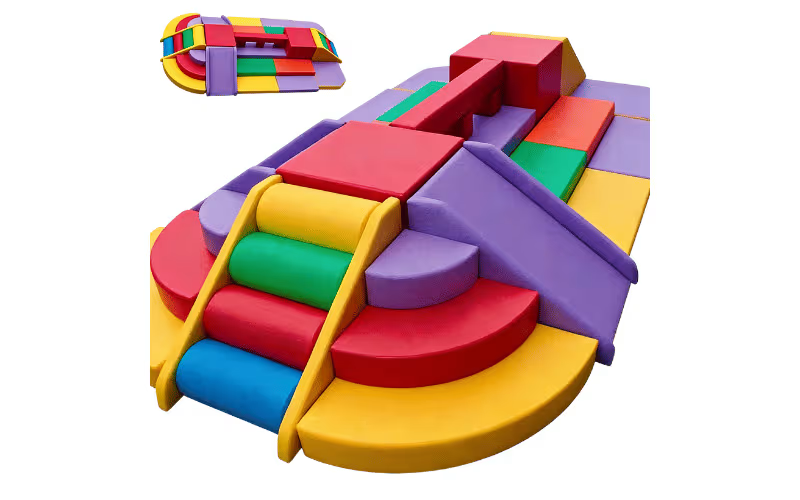
A soft play rental is a mobile service. You bring a foam-based playground to a client’s location, set it up, and take it down. Think soft mats, ball pits, gentle slides, foam climbers, and little tunnels, all sized for toddlers and preschoolers.
Demand for this keeps growing, and the reason is simple. Parents want safe, contained fun for young kids at home parties and indoor events. A soft play setup keeps the little ones in one spot, off the hard floor, and entertained, while the adults actually get to relax.
The model is flexible, too. You can run it part-time on weekends while keeping your day job, or build it into a full-time operation with several sets going out every Saturday.
Best of all, the technical barrier is low. You don’t need a trade skill to set up foam equipment. If you’re organized, reliable, and care about cleanliness, you’ve already got the core of what it takes. That makes this a great fit for first-time business owners.
Market Research and Niche Selection
Before you spend a dime on equipment, get to know your local market. A little homework here saves you from buying the wrong sets for the wrong crowd.
Start by sizing up your demographic. Look at local birth rates, where the preschools and daycares cluster, and neighborhood income levels. You want areas with plenty of young families who can afford party extras.
Next, study your competitors. Find the soft play companies already serving your area and look closely at their pricing, equipment quality, and how far they’ll travel. The gaps in their service are your openings.
Choosing Your Niche
You don’t have to be everything to everyone. Picking a niche helps you stand out and charge what you’re worth. Two popular directions:
- High-end aesthetic setups. Neutral colors, soft tones, and a clean, “Instagram-ready” look that appeals to design-conscious parents.
- Vibrant themed sets. Bright colors and high-energy themes that pop at larger events and excite kids.
Pick the lane that matches your local crowd, then lean into it.
Picking a Business Name
Keep your name easy to spell and easy to say. If someone hears it once at a party, they should be able to find you online later. A name that hints at what you do, soft play or little ones, helps people understand your service at a glance.
Bottom line: know your market and pick a clear niche before you buy anything. That focus shapes every decision that follows.
Legal Requirements and Business Structure
This part isn’t glamorous, but skipping it can sink you. Get your legal house in order before your first event.
Register your business as an LLC. This separates your personal assets from the business. If something goes wrong at an event, an LLC helps protect your home and savings from business liabilities.
Get an EIN. Apply for an Employer Identification Number through the IRS website. It’s free, it’s quick, and you’ll need it for taxes and a business bank account.
Check local permits. Many cities and counties require a vendor license or permit for mobile entertainment services. Call your local office and ask directly, since rules vary widely from place to place.
Buy liability insurance. This one is non-negotiable. You’re putting small children on your equipment, so child safety is your single biggest risk. A solid liability policy protects you if a child gets hurt at one of your events.
Your Rental Agreement
Have every client sign a rental agreement before the event. A good one covers:
- A damage waiver spelling out who pays if the equipment gets ruined
- Late fees for events that run past the booked window
- Safety rules parents agree to enforce, like adult supervision at all times
Get this signed every single time. No exceptions. It protects both you and your customer.
Investing in the Right Equipment
Your equipment is your product, so buy well. Here’s what a solid starter set usually includes:
- Foam mats to cover the floor and cushion falls
- A ball pit with plenty of balls
- A small slide sized for little legs
- Soft climbers and stepping shapes
- Soft tunnels for crawling
- A gate enclosure or fencing to keep kids inside the play zone
That fencing matters more than people expect. It defines your space, contains wandering toddlers, and gives parents peace of mind.
Commercial-Grade vs. Consumer-Grade
Don’t cheap out here. Consumer-grade sets from a big-box store look fine at first, but they wear out fast and can be a pain to clean.
Commercial-grade vinyl is the way to go. It’s tougher, it survives constant use, and it wipes clean easily, which is critical when you’re sanitizing between events. The higher upfront price pays for itself in durability.
Buy from reputable suppliers who can show you safety certifications for non-toxic materials. You’re dealing with kids who mouth everything, so material safety isn’t optional.
Don’t Forget the Extras
Budget for the gear around the gear:
- A cargo van or large trailer to haul everything
- Cleaning supplies for after every event
- Sturdy storage bins to keep sets organized and protected
These costs are easy to overlook, but you can’t run the business without them.
The takeaway: buy commercial-grade, buy certified, and budget for the hauling and storage gear from day one.
Pricing Your Rental Packages
Price too low and you’ll burn out working for free. Here’s how to get it right.
Start by adding up your overhead. Factor in insurance, storage, transportation, and fuel, and the time you spend cleaning after each event. Cleaning time is real labor, so don’t leave it out of the math.
Build Tiered Packages
Offer a few clear options so clients can pick what fits their party:
- Small set for tight spaces and smaller guest lists
- Medium set for the typical backyard or living room party
- Large set for big events with lots of kids
You can also tier by rental duration, charging more for longer windows.
Add delivery fees for locations outside your core service radius. This covers fuel and the extra road time, so a far-flung booking doesn’t eat your profit.
Finally, set a clear refund and cancellation policy. Spell out what happens in the event of bad weather, family emergencies, or last-minute cancellations. A firm policy protects your schedule and your income.
Quick rule: know your true cost per event first, then price every tier above it with room for profit.
Operations and Logistics
Smooth operations turn first-time clients into repeat customers. Nail the boring stuff, and you’ll stand out.
Cleaning Comes First
Your cleaning protocol is your reputation. Create a standardized routine that uses hospital-grade, child-safe disinfectants after every event.
Wipe down every mat, climber, and slide, and thoroughly clean the ball pit balls. Parents notice clean equipment, and word travels fast when it isn’t.
Setup and Teardown
Map out your setup and teardown process so it’s the same every time. Know your order of operations, time it out, and build in a cushion so you always arrive early. Leave each venue cleaner than you found it. That small habit earns referrals.
Booking and Storage
Use an online booking system to track your inventory and prevent double-booking. Nothing kills your reputation faster than two parties expecting the same set on the same day.
Store your equipment in a climate-controlled space. Foam and vinyl hate dampness, and moisture leads to mold and damage. Protecting your inventory protects your investment.
Marketing and Growth Strategies
Great equipment won’t book itself. You’ve got to get in front of parents.
Build a visual portfolio first. Host a mock event or “styled shoot” before you launch. Set up your nicest configuration, hire or borrow a photographer, and capture beautiful photos for your website and social pages. These images sell the dream.
Lean into Instagram and TikTok. Soft play is incredibly photogenic, and parents love sharing party photos. A pretty setup practically markets itself once guests start posting and tagging you.
Network locally. Build relationships with party planners, balloon artists, and bounce house companies. They serve the same families you do, and referrals between you keep everyone’s calendar full.
Offer introductory discounts. Give your first few clients a deal in exchange for honest reviews and social media tags. Early reviews build trust, and those tagged posts get your name in front of local parents fast.
The point: show your work beautifully, then let happy clients and local partners spread it for you.
Safety Standards and Risk Management
Safety isn’t just the right thing to do; it’s your best selling point. Protect the kids and you protect your business.
Enforce age limits. Soft play is designed for children ages 5 and under. Bigger kids can damage your equipment and accidentally hurt the little ones. State the limit clearly and stick to it.
Share a prohibited items list. Some things wreck vinyl fast or create hazards. Make sure clients know to keep these away from the play area:
- Face paint
- Glitter
- Food and drinks
- Shoes
- Sharp objects of any kind
Inspect everything, every time. Check each piece for tears, loose seams, and wear before you set up and again after you pack down. Catching a small problem early keeps it from becoming a safety issue or a costly replacement.
Common Challenges and How to Handle Them
Every business has its hard parts. Knowing them ahead of time keeps you from getting blindsided.
The physical demands are real. Moving heavy mats and equipment, often in heat, cold, or rain, takes a toll. Use a hand truck, lift smart, and bring a helper for bigger setups so you don’t wear yourself out.
Weather complicates outdoor bookings. Rain and extreme heat can shut down an outdoor party fast. Talk to clients about a backup indoor space, and consider offering tents or canopies for shade and light rain cover. Be clear in your contract about what happens when the weather doesn’t cooperate.
Wear and tear is constant. Keep a repair kit with vinyl patches and adhesive on hand. Small fixes done quickly extend the life of your equipment and keep your sets looking fresh.
Frequently Asked Questions
How much does it cost to start a soft play business?
Most owners start somewhere between $3,000 and $10,000, depending on how many sets you buy and whether you already own a vehicle. You can begin small with one quality set and reinvest your profits to grow. Commercial-grade equipment, insurance, and cleaning supplies make up the bulk of your initial spend.
Do I need a commercial van to haul the equipment?
Not necessarily, but you do need reliable transport with enough space. A cargo van or an enclosed trailer is ideal because it protects your equipment from the weather and keeps everything organized. If you’re starting tiny, a large SUV may handle a single small set, but most owners upgrade quickly.
What is the best way to quickly clean ball pit balls?
The fastest, most reliable method is a ball-cleaning machine or a large mesh bag paired with a child-safe disinfectant solution. Many owners load balls into bins, spray them with hospital-grade disinfectant, and let them air-dry on clean towels. Build the time for this into your pricing, because clean balls are a must.
How much insurance coverage should a soft play business have?
Most owners carry general liability coverage in the range of $1 million to $2 million per occurrence, which is also what many venues require before they’ll let you set up. Talk to an insurer who understands children’s entertainment, since child safety is your highest risk. Don’t treat this as a place to cut corners.
Is soft play profitable during the winter months?
Yes, often more than people expect. Cold weather pushes parties indoors, and indoor events are exactly where soft play shines. Birthdays, holiday gatherings, and indoor play dates keep bookings steady through winter, so your slow season may be milder than you’d think.
What age group is soft play designed for?
Soft play is built for toddlers and preschoolers, generally children five years old and under. The equipment is sized and cushioned for little bodies still learning to walk, climb, and balance. Enforcing that age limit keeps kids safe and your equipment in good shape.
Taking the First Step Toward Your Business
Here’s the heart of it after years in this industry: safety and cleanliness are your real selling points. Parents book the company they trust with their kids, and they rebook the one whose equipment is spotless. Make those two things your obsession, and you’re already ahead of half your competition.
Start small. One or two versatile sets are plenty to launch with. Take the profits from those early bookings and reinvest them in more inventory as demand grows. There’s no need to overspend before you’ve proven the market.
And stay consistent. Show up on time, keep your equipment clean, post regularly, and treat every client well. That steady reliability builds the word-of-mouth reputation that becomes your best marketing.
Your 3-Action Checklist for This Week
- Research your local market and competitors, then decide on your niche and business name.
- Price out one commercial-grade starter set from a certified supplier and map your startup budget.
- Start your LLC paperwork and get an insurance quote so the legal and safety foundation is in place.
Knock out those three this week, and you’ll have turned “someday” into a real plan. Your first booking is closer than you think.