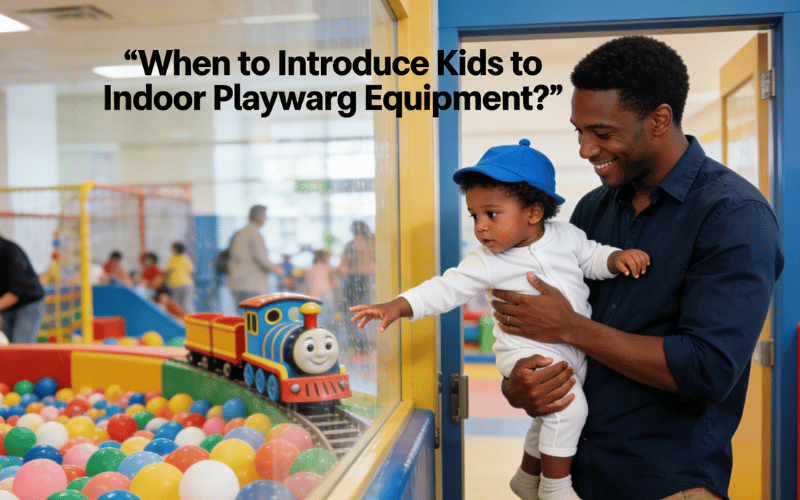
When it comes to physical activities that foster strength, social skills, and cognitive growth, few environments are as effective as an indoor playground. But as a parent, you might wonder: at what age can my child safely start exploring these colorful structures? The reassuring answer is that modern indoor playground equipment is specifically engineered to accommodate a wide range of developmental stages, ensuring safe, age-appropriate fun for everyone from toddlers to pre-teens.
In this blog, we’ll explore the ideal age groups for different types of equipment, the specific developmental benefits of play, and how indoor facilities provide a secure environment for young adventurers to grow. We will break down what equipment suits which age, ensuring you can make the best choices for your child’s playtime.
Age Groups for Indoor Playground Equipment
There isn’t a single “perfect” age to start, but most children can begin interacting with basic indoor playground elements as early as 18 months. However, the equipment’s complexity, height, and challenge level must be perfectly matched to the child’s current physical abilities.
Let’s break it down by age:
Toddlers (1–3 Years)
At this tender stage, children are just beginning to master walking and basic coordination. Equipment designed for toddlers focuses on safety and sensory exploration. You will typically find soft play areas with foam blocks, gentle ramps, and low-level tunnels. These elements allow toddlers to practice gross motor skills like crawling and stepping without the risk of falls, helping them build spatial awareness in a secure, padded environment.
Preschoolers (3–5 Years)
Children in this age range are developing better balance and are eager for more independence. Playground equipment for preschoolers often includes small slides, easy-to-climb structures with sturdy handrails, and interactive play panels. The focus here shifts to active play that encourages imagination and social interaction. Gentle inclines and ball pits are perfect for this group, offering fun without requiring advanced physical strength.
Early Elementary (6–9 Years)
This is the golden age for more structured and challenging play. Children in early elementary are ready for complex multi-level structures, monkey bars, and steeper slides. This equipment helps them refine their agility, grip strength, and endurance. You’ll often see obstacle courses and climbing nets introduced here, encouraging kids to plan their routes and test their physical limits in a safe setting.
Tweens and Teens (10+ Years)
Kids in this age group require high-energy engagement to keep them interested. Equipment for tweens often includes advanced features such as high-ropes courses, ninja-warrior-style obstacles, and bouldering walls. At this stage, play becomes more about strategy, competitive fun, and mastering difficult physical feats, providing a healthy outlet for their growing energy and strength.
Benefits of Age-Appropriate Playground Equipment
Indoor playground equipment is more than just a way to burn off energy; it is a crucial tool for holistic child development. Here’s how tailored play structures support children’s growth at every level:
Physical Development
Navigating playground equipment strengthens the core, arms, and legs while promoting better posture and cardiovascular health. It serves as an excellent full-body workout that supports muscle tone, flexibility, and coordination, helping children establish a healthy, active lifestyle from a young age.
Cognitive Growth
Playgrounds are puzzles waiting to be solved. Children learn to assess risks, make quick decisions, and navigate complex spaces. Deciding how to cross a balance beam or finding the best path through a maze fosters critical thinking and problem-solving skills that translate to the classroom.
Confidence and Social Skills
Conquering a tall slide or successfully crossing the monkey bars provides a massive boost to a child’s self-esteem. Furthermore, playgrounds are social hubs where kids learn to take turns, communicate with peers, and collaborate on games, fostering essential teamwork and interpersonal skills.
Safety Features for Different Age Groups
Safety is naturally the top priority for any parent. High-quality indoor playgrounds are designed with specific safety protocols for each age group to minimize risk while maximizing fun:
Toddler Safety
For the youngest visitors, safety features focus on impact absorption and containment. Toddler zones are separated from the main play areas to prevent collisions with older kids. They feature thick padded flooring, soft foam shapes with no sharp edges, and low barriers that keep little ones safely contained while allowing parents easy access.
Preschool and Elementary Safety
As equipment gets taller, the safety measures evolve. Structures for this group feature enclosed tube slides to prevent falls, safety netting on all upper levels, and handholds sized specifically for smaller hands. Grips are designed to be non-slip, and landings are cushioned to ensure that eager jumps result in soft landings.
Advanced Safety for Older Kids
For tweens tackling more adventurous equipment, safety becomes more technical. High ropes courses or climbing walls often utilize safety harnesses and auto-belay systems to prevent injuries from falls. Thick crash mats are standard under bouldering walls, and staff supervision is typically increased in these high-activity zones to ensure rules are followed.
Is Your Child Ready for Indoor Playgrounds?
Every child develops at their own pace. Consider the following signs to determine if your child is ready to dive into the fun of an indoor playground:
- Shows an active interest in climbing on furniture or stairs at home.
- Demonstrates a desire for physical challenges and exploring new environments.
- Has developed enough stability to walk, run, and jump with reasonable confidence.
- Is capable of following simple safety instructions and playing alongside other children without aggression.
If they meet these criteria, they are likely ready to start exploring.
Tips for Introducing Kids to Indoor Playgrounds
If it’s your child’s first visit to a large indoor playground, it can be a little overwhelming. Here are some tips to make the experience enjoyable and stress-free:
Start Slow and Cheer Often
Let them explore the environment at their own pace. They might want to watch at first, and that’s okay. When they do try a slide or climb a step, celebrate their bravery. Positive reinforcement encourages them to try more challenging activities when they feel ready.
Use Age-Specific Areas
Stick to the zones designed for your child’s age. These areas are engineered for their specific height and skill level, ensuring they don’t get stuck or intimidated by equipment that is too advanced. It also keeps them safe from older, faster-moving children.
Stay Nearby for Support
Especially for younger children, your presence is their safety net. Stay close enough to offer a helping hand or a word of encouragement. Knowing you are watching gives them the confidence to take risks and explore independently.
Final Thoughts: Play for Every Age
You don’t need to wait until your child is in school to introduce them to the joys of an indoor playground. With the right environment, supervision, and age-appropriate design, even toddlers can reap the physical, mental, and social benefits of active play. Whether they are crawling through a tunnel or conquering a climbing wall, every moment spent playing is a moment spent growing. So next time you are looking for a way to entertain the kids, remember that indoor playgrounds offer a safe, developmental adventure for every stage of childhood.