Shopping malls serve as critical hubs for commerce, community interaction, and shared experiences. Without dedicated spaces for relaxation and play, modern shopping centers risk becoming purely transactional environments with little to offer in terms of social engagement or family-friendly entertainment. From massive indoor interactive zones to smaller toddler play areas, mall playgrounds are recreational spaces that directly serve the evolving needs of families and community members. The growing demand for these installations highlights a fundamental shift in retail: customers are looking for engaging destinations rather than just basic storefronts. Adding a playground to your facility provides an enjoyable resting space for adults and a thrilling play space for kids, ultimately transforming the way visitors experience your property.
If you have been tasked with the exciting job of building a playground space in your shopping center, or you want to persuade your property management team to turn an empty concourse into a vibrant new family attraction, follow this comprehensive guide to playground planning and design. By offering a safe, highly engaging environment, you enhance the overall mall experience, effortlessly attract young families, and foster deep customer loyalty. While designing an indoor commercial playground involves navigating specific zoning and safety ordinances, there are universal steps you can take to help bring your grand vision to life.
Step 1: Assess the Need for a Mall Playground
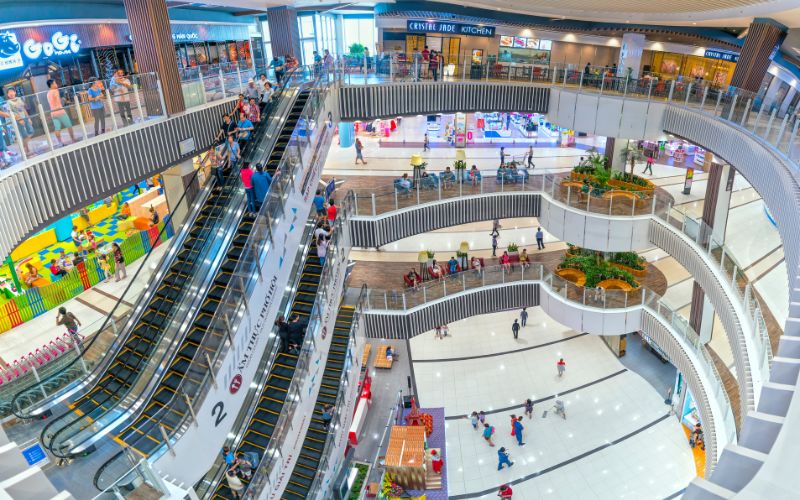
Building a successful commercial playground always starts with clearly identifying the specific needs of your facility and its daily visitors. If you want people to visit your indoor park regularly, it absolutely needs to fit with what the local community actually desires. You must thoroughly assess the demand for a playground based entirely on your mall’s core demographics and your customers’ unique behavioral preferences. For example, is your surrounding town full of young couples and growing families, and is there a large concentration of elementary schools nearby? Take a close look at your daily foot traffic and carefully assess what family-oriented amenities are currently underserved within your building. Conducting simple customer surveys or placing feedback kiosks near major entrances can provide invaluable data on which specific activities and social opportunities seem most important to your shoppers. This fundamental research lets you confidently prioritize what specific design features your playground must include to achieve maximum success.
The benefits of actively adding a well-designed playground to your shopping center extend far beyond simply keeping children entertained for a few minutes. By incorporating a dedicated play space, you significantly increase your visitors’ average dwell time, encouraging families to spend several hours on the property rather than making a quick trip for a single item. This extended family engagement naturally translates into much higher overall sales for your retail tenants and nearby food court vendors. When parents know they can rely on your mall to provide a safe, climate-controlled environment where their children can burn off excess energy, they are far more likely to choose your destination over competing shopping centers. The best starting point for designing your indoor playground is to identify exactly who the play area will serve, as these end users will significantly influence which specific physical activities you need to actively cater to.
Step 2: Choose the Right Location
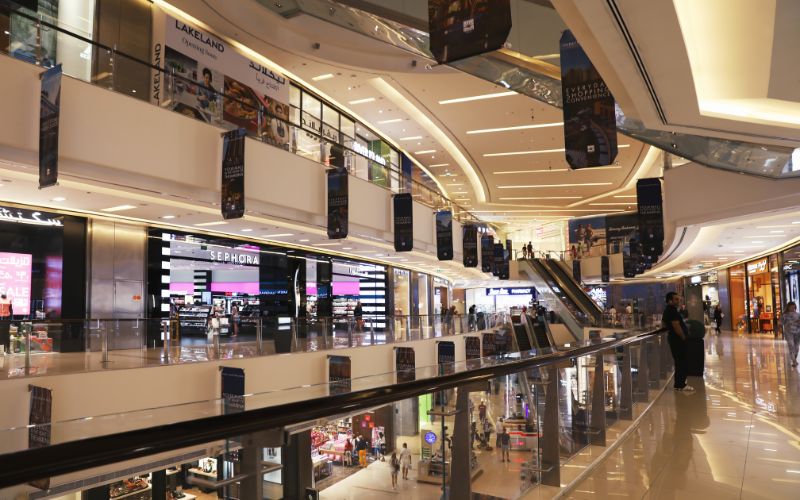
Once you establish the clear need for a playground, the next step is to determine the absolute best location within your massive building. You can certainly let your creativity run the show when planning the general amenities, but the ultimate success of your new attraction will depend heavily on the exact area it occupies. High visibility and easy accessibility are absolutely paramount; you want the playground situated in a prominent location where families can easily spot it upon entering the wing. Consider placing the play area near family-oriented retail stores, popular toy shops, or the main food court. This strategic placement naturally encourages cross-traffic, allowing parents to easily transition from shopping for children’s clothing to letting their kids enjoy a thrilling play session, and finally ending with a relaxing family meal just a few steps away.
Safety and visibility go hand in hand when selecting the perfect interior location for your new playground. You must ensure the chosen space is in a highly secure, well-monitored area of the mall, free of heavy delivery traffic, blind spots, and dangerous physical obstructions. The area should ideally be clearly visible from multiple different angles, allowing parents to easily supervise their children from adjacent seating areas or nearby storefronts. It is also crucial to consider the natural flow of pedestrian traffic; the playground should not completely block major walkways or create frustrating bottlenecks for shoppers trying to navigate from one end of the mall to the other. Adequate space for comfortable seating and proper stroller parking around the entire perimeter of the play area must be factored into your location decision to maintain a safe, highly organized environment.
Finally, you must carefully mention and evaluate critical considerations for any future expansion or integration with other existing mall amenities. As your new playground inevitably grows in popularity, you might eventually want to add new interactive features, expand the physical footprint, or incorporate adjacent family restrooms and nursing lounges. Choosing a flexible location that allows for seamless future growth ensures your initial investment remains highly relevant and deeply engaging for many years to come.
Step 3: Set a Budget and Secure Funding
Understanding your target market’s needs is crucial, but meeting them will require significant budgetary considerations. Designing and outfitting an indoor commercial playground with premium structures can be an expensive venture, and the necessary funds to complete this development must be carefully managed. The very first thing you must do is comprehensively calculate all expected costs, which strictly includes the initial design fees, the actual playground equipment, professional installation labor, specialized safety surfacing, and all required site furnishings. It is vital to obtain detailed, itemized quotes from several reputable commercial playground manufacturers to ensure you have a realistic, accurate understanding of the required financial commitment before you begin breaking ground.
Determine your exact budget, then develop a strategic plan to raise or allocate the necessary funds. Many shopping centers fund these essential improvements through direct allocation of mall revenue, recognizing the playground as a vital capital expenditure that will actively drive future profitability. However, you might also want to consider lucrative corporate sponsorships or strategic partnerships with local businesses to offset initial startup costs. Local pediatricians, family-oriented service providers, or major retail tenants within the mall may eagerly jump at the unique opportunity to boldly sponsor the playground in exchange for prominent brand signage and positive community goodwill. Building strong financial partnerships not only helps fully fund the project but also actively engages the surrounding business community in the success of your new family attraction.
Additionally, you must emphatically emphasize the absolute importance of planning for all long-term, ongoing maintenance costs. Proper budgeting does not end once the playground is built; you must allocate annual funds for routine safety inspections, daily deep cleaning, necessary equipment repairs, and eventual component replacements. Preparing for these inevitable lifecycle costs guarantees your playground remains a pristine asset.
Step 4: Design the Playground

Now that the basic planning and budgeting are well underway, you are fully ready to begin designing the actual play environment in depth. Discussing and choosing a central theme that perfectly aligns with your mall’s unique corporate branding and your specific target audience is an incredibly important step. Whether you opt for a whimsical forest adventure, a futuristic space station, or a sleek, modern architectural aesthetic, the theme should feel deeply cohesive with the rest of your shopping center’s interior design. A well-executed visual theme not only captures the boundless imagination of young children but also serves as a beautiful, highly memorable focal point that actively enhances the aesthetic appeal of your entire commercial property.
While engaging aesthetics are wonderful, uncompromising safety must always dictate every single aspect of your playground design. You must prioritize essential safety considerations, such as installing high-quality non-slip rubber surfacing, utilizing equipment with smooth, rounded edges, and ensuring all play structures are perfectly age-appropriate. Clearly separating the play zones by age group—such as providing a dedicated, fully enclosed toddler area away from the larger, more active climbing structures intended for older children—drastically reduces the risk of accidental collisions and injuries. Every single design choice, from the height of the safety barriers to the spacing between the climbing platforms, must strictly adhere to the highest national safety standards for commercial indoor playgrounds.
Furthermore, you must clearly emphasize the vital role of inclusive design in effectively accommodating children with diverse physical and cognitive abilities. An inclusive playground features wide, wheelchair-accessible ramps, low-level interactive sensory panels, and quiet retreat spaces for children who may become overstimulated easily. By intentionally designing a space where absolutely everyone can play together, you make your entire facility remarkably welcoming.
Read More: How to Design a Mall Playground?
Step 5: Obtain Necessary Permits and Approvals
Before any actual construction can physically begin on your new indoor attraction, you must successfully navigate the often complex process of securing all necessary permits and legal approvals. Discussing the absolute importance of strictly complying with all local municipal building regulations, fire codes, and commercial safety standards cannot be overstated. Depending on your specific municipality, adding a massive indoor structure may require specialized building permits, detailed architectural reviews, and rigorous fire marshal inspections to ensure adequate emergency egress. Failing to secure the proper legal documentation can result in massive fines, forced tear-downs, and significantly delayed opening dates that will frustrate your community and your retail tenants.
To seamlessly streamline this bureaucratic approval process, it is highly recommended to actively work with experienced professional contractors, certified architects, and knowledgeable legal advisors who deeply understand local commercial zoning laws. These seasoned experts can skillfully handle the complicated paperwork, expertly draft the required engineering schematics, and confidently represent your shopping center at necessary municipal planning meetings. Engaging these professionals early in the design phase ensures that your proposed playground concept is both feasible and legally compliant from the outset, saving you tremendous time and money and reducing unnecessary legal stress as you move forward.
Step 6: Choose the Right Equipment
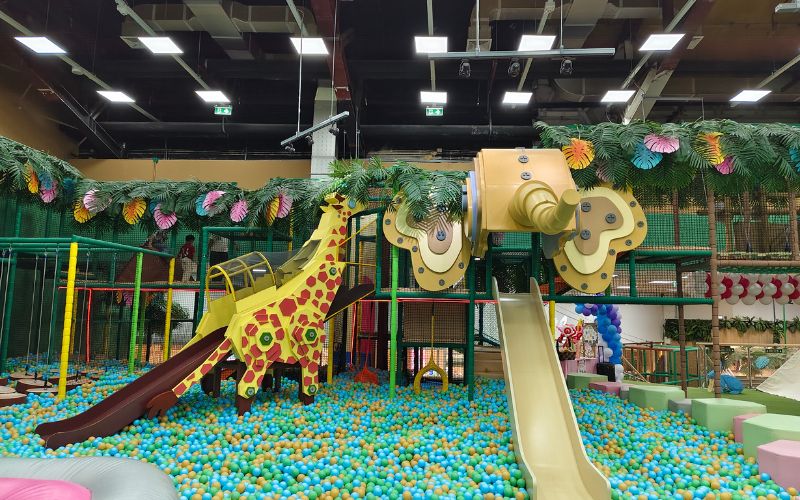
Selecting the exact play structures to fill your new space is perhaps the most exciting part of the process, but it requires careful, strategic consideration. You must strongly discuss the profound importance of choosing commercial-grade equipment that is remarkably safe, incredibly durable, and exceptionally easy to maintain in a high-traffic retail environment. You want to invest in high-quality materials that promote sustainability and an enjoyable aesthetic for many years to come. Avoid cheap, residential-grade plastics that will quickly crack, fade, or break under the intense daily use of thousands of energetic children; instead, opt for heavy-duty steel framing, high-density polyethylene slides, and tear-resistant netting designed specifically for massive commercial applications.
Highlighting the numerous benefits of modular and fully customizable playground equipment is also crucial when outfitting an indoor space. Modular commercial systems give you the unique, powerful opportunity to perfectly fit the equipment to your mall’s specific spatial footprint and chosen visual theme. Whether you need to navigate around massive existing structural support columns, accommodate unusually low drop ceilings, or maximize a narrow, elongated hallway space, modular components can be easily configured to overcome almost any architectural challenge. This incredible flexibility ensures you maximize the play value of every single square foot without ever compromising the overall design or the children’s safety.
Finally, you should proudly mention the growing role of interactive, high-tech features in vastly enhancing overall visitor engagement. Modern park patrons and kids are actively seeking thrilling experiences they will deeply enjoy in the digital age. Incorporating electronic gamified play panels, responsive LED light floors, or augmented reality climbing walls seamlessly bridges the gap between physical exertion and digital entertainment, keeping older children engaged and visitors returning frequently.
Step 7: Build the Playground
With the detailed designs fully finalized and the premium equipment officially ordered, it is finally time to physically build the playground within your facility. Discussing the absolute importance of hiring highly experienced, certified installation contractors and strictly adhering to the approved architectural design plan is essential for a successful build. Installing massive commercial playground equipment requires highly specialized knowledge of structural anchoring, precision installation of safety surfacing, and rigorous hardware torque specifications. Attempting to cut corners on finances by using uncertified labor can void your manufacturer’s warranties and result in dangerously unstable play structures that put your youngest guests at severe physical risk.
Throughout the construction process, you must prioritize regular, independent inspections to ensure uncompromising quality and strict compliance with safety standards. Having a certified playground safety inspector consistently review the work at critical stages of the installation ensures that every bolt is properly tightened, every safety barrier is at the correct height, and the impact-absorbing surfacing meets all required depth regulations. These meticulous safety checks provide invaluable peace of mind for your management team and completely protect your business from potential future liability claims.
Additionally, you must emphasize the critical importance of minimizing loud disruptions to your ongoing mall operations during the heavy construction phase. You must strategically schedule the loudest, most disruptive construction activities—such as heavy drilling or large material deliveries—during the late overnight hours or the extremely early morning before retail stores open. Utilizing professional, visually appealing construction barricades to cleanly hide the messy work area keeps your shopping center looking polished and protects your busy shoppers.
Step 8: Promote the Playground
Once the beautiful playground is successfully built and officially certified for safety, you need to aggressively market the exciting new attraction to actively attract local families and drastically increase your overall foot traffic. Discussing diverse, modern promotional strategies like highly targeted social media campaigns, bright in-mall digital signage, and strategic partnerships with local elementary schools is a fantastic way to quickly spread the word. You can easily generate massive community buzz by sharing exciting behind-the-scenes construction photos, hosting engaging online naming contests for the new play area, and distributing promotional flyers directly to your existing retail tenants for them to hand out to their daily customers.
Highlighting the profound importance of hosting a massive, unforgettable grand opening event is absolutely crucial to generating immediate excitement and driving massive initial attendance. A well-planned grand opening serves as a powerful community celebration, drawing hundreds of curious families eager to be the very first to experience the thrilling new playground. Consider actively inviting prominent local community leaders, organizing fun face-painting stations, offering free promotional snacks, and securing live family entertainment to make the launch event a truly spectacular, newsworthy occasion that local media outlets will eagerly want to cover.
Furthermore, briefly mention the essential role of ongoing seasonal promotions in consistently maintaining high interest and deep family engagement long after the initial novelty wears off. Hosting weekly toddler storytimes, seasonal holiday character meet-and-greets, or exclusive loyalty-program play hours ensures the playground remains a dynamic, consistently relevant asset.
Step 9: Maintain and Improve the Playground
The work certainly does not end on grand opening day; keeping your new attraction pristine requires a dedicated, ongoing commitment. Discussing the vital importance of regular, documented safety inspections and daily maintenance to ensure absolute safety and impeccable cleanliness is non-negotiable. Indoor playgrounds can quickly become a haven for germs and dirt if they are not rigorously sanitized on a strict daily schedule. Your facility maintenance team must thoroughly wipe down all high-touch surfaces, carefully inspect the netting for any minor tears, and quickly remove any debris from the rubber safety surfacing every single night.
Highlighting the invaluable role of direct customer feedback in successfully identifying specific areas for rapid improvement allows you to continuously refine the guest experience. Actively listen to the parents who utilize the space daily; they will quickly tell you if there is not enough comfortable seating, if a specific slide is too fast, or if the stroller parking area is constantly overcrowded. By providing easily accessible feedback forms or monitoring online community reviews, you can quickly address minor issues before they become massive operational problems.
Finally, you must mention the long-term importance of periodically updating the equipment and interactive features to keep the playground feeling incredibly fresh, exciting, and deeply engaging year after year. Swapping out old interactive panels, adding fresh layers of brightly colored rubber surfacing, or introducing a completely new standalone climbing feature prevents the attraction from feeling visually stale.
Conclusion
Building a massive indoor playground is a highly rewarding, multifaceted undertaking that can completely revolutionize the way the local community interacts with your shopping center. From meticulously assessing demographic needs and choosing the absolutely perfect, highly visible location to securing necessary project funding and executing a flawless, safe construction plan, every single step plays a crucial role in creating a deeply successful family attraction. By continuously prioritizing uncompromising safety, striking visual aesthetics, and rigorous, ongoing maintenance, you can effortlessly transform an empty concourse into a bustling, joyful destination that drives significant retail foot traffic and builds lasting community loyalty.
Now is the absolute perfect time to confidently take the very first step toward bringing your grand indoor vision to vibrant life. Begin meticulously planning your new mall playground today by actively evaluating your facility’s available space and gathering essential input from your retail tenants. If the massive scale of the complex development process ever feels slightly overwhelming, do not hesitate for a moment to seek professional guidance from experienced commercial playground manufacturers and certified architects. Reach out to dedicated design professionals right now to discover exactly how you can beautifully create a dynamic, lasting family attraction that your community will love.