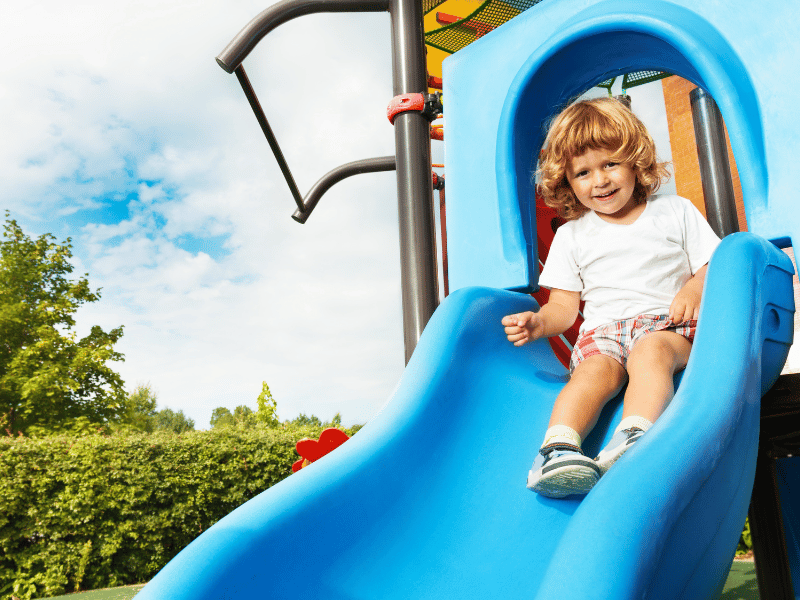
The slide is the busiest and riskiest piece of equipment on most commercial playgrounds. Kids line up for it, race down it, and use it far more than almost any other component. That heavy use makes the commercial playground slide a smart place to focus your planning energy, because the wrong choice shows up fast in safety incidents, maintenance headaches, and replacement costs. The right slide does the opposite. It delivers years of safe, low-stress use and keeps families coming back.
Three decisions shape almost every slide purchase: safety, size, and material. Get anyone wrong, and the consequences ripple outward into rework, liability exposure, and early replacement. A slide that’s too tall for its surfacing, made from the wrong material for your climate, or non-compliant with safety standards, can cost far more to fix than it did to buy. Balance all three well, and you get equipment that fits your space, your users, and your budget.
To choose the best commercial playground slide, balance three factors: safety, size, and material. Confirm the slide meets ASTM, CPSC, and IPEMA standards, match the height to your users’ ages and fall-zone requirements, and select a material suited to your climate. Then weigh the total cost of ownership over the upfront price.
TL;DR Quick Facts:
- Compliance comes first—verify ASTM, CPSC, and IPEMA documentation before you buy.
- Height determines your fall zone and surfacing requirements, which in turn drive cost.
- Material affects heat buildup, durability, and long-term maintenance.
- Length and slope control exit speed and the footprint you need.
- The “best” slide always depends on your facility type and user age range.
Who Should Read This Guide
The best slide for a busy municipal park is rarely the best slide for a toddler-focused daycare. The right choice depends on who’s buying, who’s using it, and how the site runs day-to-day. This guide helps you find the fit that matches your specific needs rather than a generic recommendation.
Buyer Priorities at a Glance
Different buyers weigh different factors. This snapshot shows what tends to matter most for each group, so you can zero in on the sections that speak to your situation.
| Buyer Type | Top Priorities |
|---|---|
| Schools & daycares | Age-appropriate height, supervision, and durability |
| Parks & municipalities | Compliance, climate fit, vandalism resistance, accessibility |
| Churches & community centers | Mixed-age use, budget, multi-use design |
| Indoor playground operators | Capacity, enclosed safety, branding, footprint |
| Developers & property managers | Lifecycle cost, resident appeal, low maintenance |
Commercial slides differ sharply from residential ones. They face far higher traffic, must meet stricter safety standards, and need to withstand constant use without wearing out. A backyard slide might see a few uses a day. A commercial unit can see hundreds. That gap shapes everything from the gauge of the materials to the engineering of the commercial playground equipment at the exit.
The stakes are real. The wrong slide increases your liability exposure, complicates your insurance coverage, and damages your reputation with the families you serve. A safe, well-chosen slide protects children and your organization—which is exactly why the selection criteria below matter so much.
What Makes a Quality Commercial Playground Slide?
Not every slide on the market is built for heavy commercial use. Several traits separate durable, compliant units from weaker ones that fail early. Use the criteria below as a scorecard to evaluate any commercial playground slide—the same checklist we use when we help buyers compare options.
Key Quality Characteristics
- Compliance with safety standards. A quality slide is built to recognized standards and comes with documentation to prove it. Certification isn’t a marketing detail. It’s evidence that the slide was designed and tested for public use, so always confirm it before anything else.
- Durability under high-traffic use. Commercial slides must handle constant use without cracking, fading, or loosening. Look for heavy-gauge materials, reinforced connection points, and construction rated for public sites rather than home backyards.
- Heat resistance and UV stability. Outdoor slides face the sun and weather year-round. Quality units resist heat buildup on the sliding surface and retain their color rather than fading or becoming brittle after a few seasons of exposure.
- Smooth, gap-free construction. A good slide has clean joints, no exposed hardware, and a continuous sliding surface. Gaps and rough edges create snag points and injury risks, so seamless transitions are a clear marker of quality.
- Appropriate slope and exit design. The right slope keeps speed controlled, and a well-designed exit slows riders safely at the bottom. Quality manufacturers engineer these angles deliberately rather than leaving them to chance.
- Maintenance accessibility. A slide you can inspect and clean easily stays safe longer. Quality units let staff check fasteners, surfaces, and connection points without major disassembly.
Types of Commercial Playground Slides
Slide type affects footprint, age suitability, capacity, and cost all at once. The right category depends on how much space you have, who’s using the equipment, and how many kids you need to serve at peak times. Matching the type to your site is one of the first problems worth solving. Here are the main types of playground slides to consider.
Straight Slides
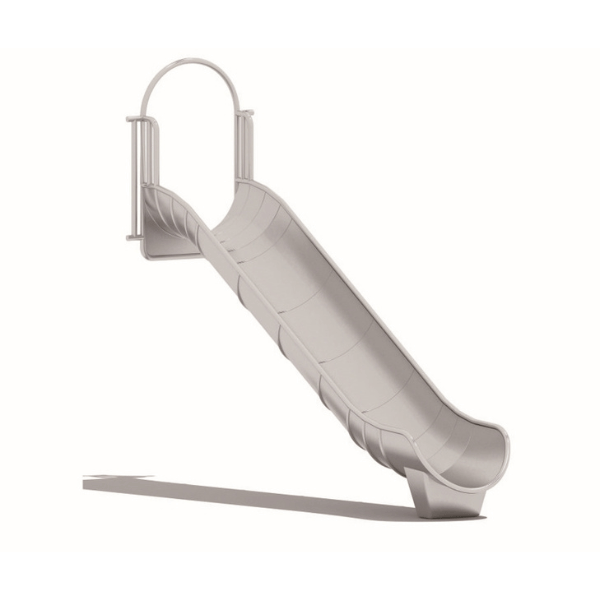
The classic option is the easiest to supervise. Straight slides suit a wide age range, have a predictable footprint, and pair well with lower platform heights. They’re cost-effective and reliable, though they take up linear space and offer less excitement than curved or enclosed designs. A solid baseline for schools and smaller sites.
Wave and Bump Slides
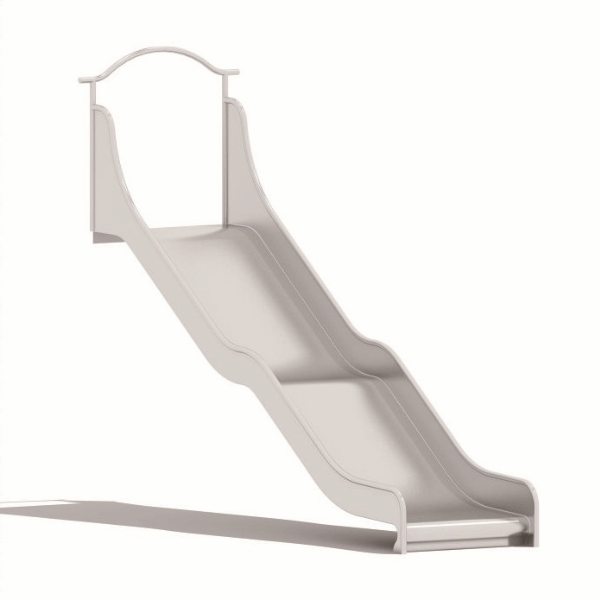
Wave slides add gentle dips that create a fun ride without high speed. They work well for mixed-age groups and handle steady traffic with little upkeep. The undulating surface keeps speeds moderate, which helps where you want excitement without a fast exit. A popular mid-tier choice for parks and community spaces.
Spiral and Curved Slides
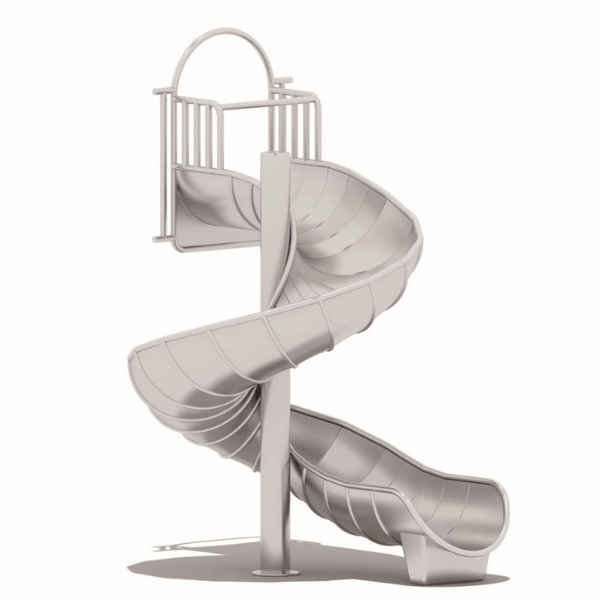
When floor space is tight, spiral and curved slides deliver height and thrill in a compact footprint. They pair naturally with taller platforms and add visual interest to a structure. Keep in mind they require clear sightlines, since the curve can briefly hide a rider from supervising adults. Great for maximizing play value per square foot.
Tube and Enclosed Slides
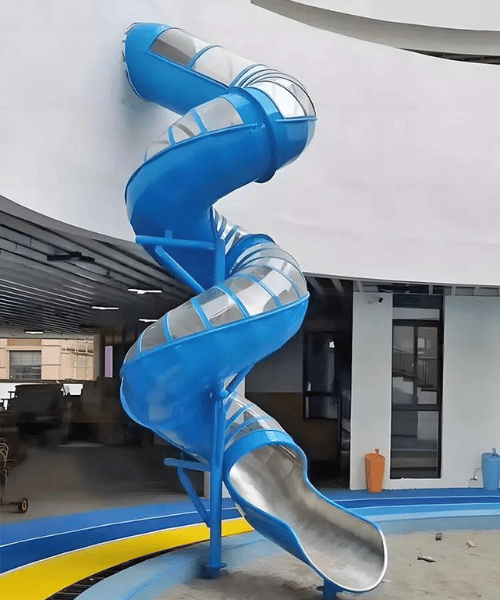
Enclosed tube slides provide strong containment, reducing the risk of falls and adding a sense of adventure. They’re a staple of indoor playground slide designs and tall structures. The tradeoff is supervision—staff can’t see inside, so signage and spacing rules matter. They also need regular interior cleaning to stay sanitary.
Roller and Embankment Slides
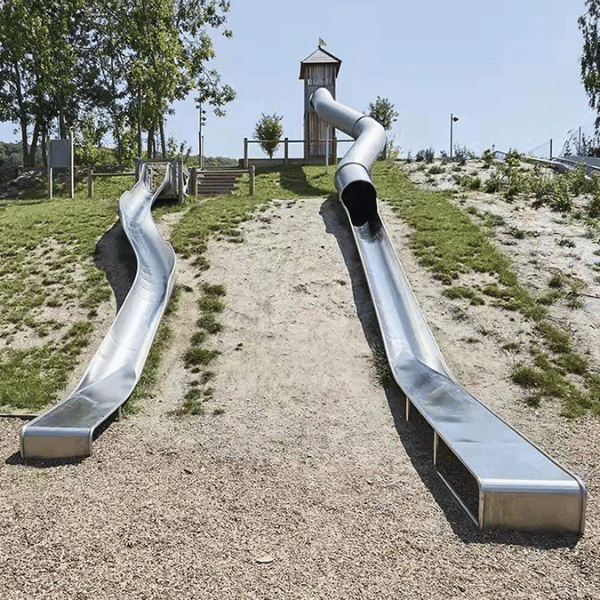
Roller and embankment slides shine for inclusive design. Built into a slope or set low to the ground, they dramatically reduce fall height and are easier for children of varying abilities to use. They’re highly durable and resist vandalism, making them a smart pick for accessible, all-ages public play areas.
Double, Wide, and Racing Slides
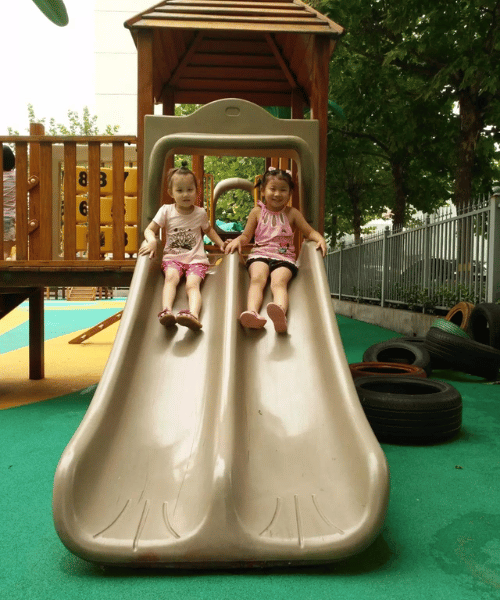
For high-traffic facilities, double and racing slides move more kids per minute and add a social, competitive element. Wide slides let children slide side by side, which families love. The main requirements are space and proper bay spacing so that riders can exit safely. Ideal for busy parks and indoor centers.
Playground Slide Safety Standards Every Buyer Must Know
Safety is the non-negotiable foundation of any slide purchase. Meeting recognized playground slide safety standards protects the children using your equipment and shields your organization from liability. Treat this section as the part you can’t compromise on, no matter how attractive a deal looks. In our experience, this is also where buyers cut corners that they later regret.
Compliance Standards
In the U.S., the key references are ASTM F1487, which sets performance and safety specifications for public playground equipment, and the CPSC Public Playground Safety Handbook, which offers federal guidance. IPEMA certification provides independent, third-party validation that a product was tested against these standards. ADA accessibility guidelines also apply to public sites. Ask every supplier for documentation, then verify it rather than taking claims at face value. That paperwork is your proof of due diligence if questions ever arise.
Fall Zones and Surfacing
Every slide needs a clear use zone—an area around and below the equipment kept free of obstacles. The required clearance and surfacing depth scale with the slide’s height, so taller slides demand more protective surfacing. Among your playground safety surfacing options are poured-in-place rubber, rubber tiles, engineered wood fiber, and loose-fill materials, each with its own depth and maintenance profile. Plan surfacing as part of the slide decision, not an afterthought, since it directly affects both safety and budget.
Exit Region and Speed Control
The bottom of the slide is where most injuries happen. A well-designed exit region sits at the right height above the surfacing and includes a run-out section that slows riders before they stand up. Slope and exit length work together to control speed. When you evaluate a slide, study how the exit is engineered—it’s one of the strongest predictors of real-world safety.
Entrapment, Gaps, and Edges
Quality slides eliminate head- and neck-entrapment hazards, exposed hardware, and sharp edges. Check that openings meet entrapment guidelines and that all transitions stay smooth and seamless. These hidden details are easy to overlook, but they cause real harm when they’re wrong.
Supervision and Signage
Equipment is only part of safety. Plan for clear signage on age and use rules, and set supervision expectations for staff. Good operational practices extend the protection that well-designed equipment delivers.
How to Plan Playground Slide Height and Length
Height and length aren’t just dimensions. Together, they drive safety, footprint, age suitability, and cost. Knowing the platform height your users need and the slide length your site can accommodate is central to meeting playground slide height requirements while staying on budget. Plan these two variables together rather than in isolation.
Matching Height to Age Groups
Platform height should match your primary users. Toddlers and very young children need low slides, with platform heights kept modest to limit fall risk. Younger school-age children can handle moderate heights, while older children tolerate taller structures with the right safeguards. If you serve a wide age range, plan separate zones or size the height to suit your youngest regular users. Matching height to age is the simplest way to reduce injuries, and fewer injuries protect both children and your reputation.
How Height Affects Fall Zones and Cost
Every added foot of height raises your requirements. Taller slides need deeper protective surfacing, larger use zones, and more robust support structures, all of which add cost. A slide that looks affordable can become expensive once you factor in the surfacing and spacing it demands. Understanding this height-to-cost relationship early helps you avoid budget surprises and choose a height that balances thrill with practicality.
Calculating Length and Slope
Length and slope determine how fast riders travel and how much floor space the slide consumes. A gentler slope produces a slower, safer ride. A steeper one is faster but needs a longer run-out. As a general rule, longer slides require more linear space and a carefully engineered exit. Work with your manufacturer to confirm the slope and length to deliver controlled exit speeds for your user group.
Site Space and Layout Constraints
Real sites have limits. Indoor venues often work within fixed ceiling heights and tight floor plans, which favor compact spiral or tube designs. Outdoor sites may have more room, but must account for setbacks and protective zones. Measure your space carefully and map the full footprint—including fall zones—before you commit to a height and length.
Playground Slide Materials Compared
Material is one of the most underestimated decisions in the whole process, yet it shapes safety, heat, durability, maintenance, and cost. Choosing among playground slide materials is a problem we help buyers solve every day, and the right answer depends heavily on your climate and whether the slide will be used indoors or outdoors. Here’s how the main options compare.
Plastic / Polyethylene Slides
Rotomolded polyethylene (HDPE) is the most common material for good reason. It’s durable, relatively affordable, and stays cooler than metal in the sun. UV-stabilized versions resist fading and brittleness. Plastic slides come in many colors and shapes, making them versatile for both indoor and outdoor use. The main limitation is that lower-grade plastics fade or crack over time, so quality matters. A strong default for most commercial sites.
Stainless Steel Slides
Stainless steel is exceptionally durable and resistant to vandalism, making it a favorite for high-traffic public spaces. It also delivers a sleek, premium look. The catch is heat. Steel can get very hot in direct sun, so it suits shaded installations or cooler climates best. Where sun exposure is constant, steel without shade can become unusable on hot days. Built right and placed well, it lasts for decades.
Fiberglass and Composite Slides
Fiberglass and composite slides offer the most design flexibility, supporting custom shapes, themes, and large-scale builds. They’re durable and deliver a smooth, attractive ride. The tradeoff is cost—they typically sit at the higher end—and they need proper maintenance to keep the surface in good condition. A strong choice for signature, themed, or custom installations.
Material Comparison Table
This snapshot summarizes how the three main materials stack up across the factors that matter most for a buying decision.
| Material | Durability | Heat Buildup | Maintenance | Cost | Best Use |
|---|---|---|---|---|---|
| Polyethylene plastic | High | Low–moderate | Low | $ | Indoor & most outdoor sites |
| Stainless steel | Very high | High in the sun | Low | $$ | Shaded/cooler climates, high traffic |
| Fiberglass/composite | High | Moderate | Moderate | $$ | Custom & themed installs |
Climate and Indoor vs. Outdoor Considerations
The environment should drive your material choice. In hot, sunny regions, favor plastic or shaded designs to reduce the risk of burning on the sliding surface. In cooler or shaded settings, steel becomes a strong, long-lasting option. For an outdoor playground slide, UV stability and heat behavior are critical. For indoor use, color, branding, and footprint often take priority. Match the material to the setting first, then refine from there.
Commercial Playground Slide Costs and Total Cost of Ownership
The purchase price is only part of the picture. The smartest buyers evaluate the total cost of ownership—the full lifetime expense, including installation, surfacing, maintenance, and eventual replacement. A slide with a low sticker price can cost more over ten years than a pricier, more durable option. Reframing the spend as a lifetime cost leads to better decisions and fewer surprises down the road.
Upfront Purchase Costs
The base cost of a playground slide varies by type, height, length, and material. Simple, straight plastic slides sit at the affordable end, while tall spiral, custom fiberglass, or stainless steel units cost considerably more. Taller, longer slides also impose structural requirements that increase the price. Use these drivers to set realistic expectations before you request quotes, so you can compare options on a level playing field.
Installation and Site Prep Costs
Installation often surprises first-time buyers. Beyond the slide itself, you may need surfacing, footings, site preparation, and labor, plus any work required to meet compliance and protective-zone rules. These costs can rival or exceed the equipment price, especially when protective surfacing is involved. Build them into your budget from the start rather than treating them as extras.
Maintenance and Replacement Costs
Every slide needs upkeep, and some materials cost more to maintain than others. Factor in routine inspection, cleaning, occasional part replacement, and the slide’s expected lifespan. A durable unit that rarely needs repair often wins over time, even at a higher upfront price, because it cuts replacement costs and downtime. Durability and maintenance are where lifetime cost is won or lost.
Budgeting Tips for B2B Buyers
Don’t default to the cheapest slide. Balance budget against safety, durability, and longevity, and weigh the full lifetime cost. Spending a bit more on a compliant, durable slide usually saves money over its service life and reduces risk. Request itemized quotes so you can see exactly what’s included.
Maintenance and Long-Term Durability
Maintenance planning isn’t just operational housekeeping. It’s a buying criterion that protects your investment and keeps children safe across the slide’s full lifespan. A great slide poorly maintained becomes a liability, while routine care extends service life and preserves your return. Buyers we work with often treat upkeep as an afterthought—plan it before you buy instead.
Routine Inspection and Cleaning
Set a regular inspection schedule to check fasteners, surfaces, connection points, and the exit zone for wear or damage. Clean the sliding surface and the surrounding area to remove debris and maintain sanitary conditions. Assign clear responsibility to trained staff and document each check. Consistent, simple routines catch small problems before they grow into safety issues.
Material-Specific Maintenance
Upkeep varies by material. Plastic slides need fading and crack checks, plus occasional cleaning. Stainless steel requires monitoring for surface temperature and integrity. Fiberglass needs attention to its finish to keep the ride smooth and safe. Match your maintenance plan to the material you chose, since each wears differently and has its own care needs.
Extending Slide Lifespan
In high-traffic facilities, proactive care pays off. Address minor wear quickly, keep surfaces clean, protect equipment from avoidable stress, and replace small parts before they fail. These habits extend the slide’s usable life and maximize your return on investment.
How to Choose a Playground Slide by Facility Type
The right slide depends heavily on your facility type and the children who use it. Below is practical, slide-fit guidance for each major buyer group. Use it to translate the principles above into a choice that suits your specific setting.
Schools and Daycares
Prioritize age-appropriate heights, easy supervision, and durability. For daycares, keep platforms low and favor straight or low embankment slides with clear sightlines. Schools serving older children can add moderate height and more excitement, but supervision and sturdy construction remain the priorities for daily, high-volume use. With tight budget cycles, durability that avoids early replacement matters most.
Public Parks and Municipalities
Focus on compliance, climate fit, vandalism resistance, and accessibility. Public sites face constant use and exposure, so durable materials like steel (in shade) or quality plastic work well. Inclusive options such as embankment slides broaden access and reflect inclusive playground design that serves the whole community—an expectation for public installations and a frequent focus during inspections.
Churches and Community Centers
These sites often serve mixed-age groups on a tighter budget. Look for versatile, multi-use designs that accommodate a range of ages safely, and balance cost with durability. A reliable wave or straight slide paired with appropriate surfacing usually delivers strong value for occasional but varied use, even when funds are limited.
Commercial Indoor Playgrounds
Capacity, enclosed safety, branding, and footprint drive these decisions. Tube and spiral slides maximize play value in limited floor space, and enclosed designs add safety and adventure. Custom colors and themes support your brand and keep the experience memorable for repeat visitors during peak-season crowds.
Developers and Property Managers
Lifecycle cost, resident appeal, and low maintenance matter most here. Choose durable, low-maintenance slides that look great with minimal attention and hold up over years of community use. The goal is reliable, attractive equipment that supports property value without demanding constant care.
Common Slide Buying Mistakes to Avoid
A few recurring errors cost buyers money and increase liability. Knowing them in advance helps you sidestep expensive missteps and choose with confidence.
Slide Buying Mistakes Checklist
- Ignoring compliance and certification. Buying a slide without verified ASTM, CPSC, or IPEMA documentation is a serious risk. Non-compliant equipment endangers children and exposes your organization to liability. Always confirm certification before you purchase.
- Choosing height without planning fall zones. A tall slide may look exciting, but height dictates surfacing depth and use-zone size. Skipping that planning leads to unsafe installs or budget overruns when surfacing is finally added.
- Overlooking material heat and climate fit. Installing a steel slide in full sun or a low-grade plastic in a harsh climate increases the risk of burns and early wear. Match material to your environment from the start.
- Underestimating lifetime cost. Focusing only on the sticker price hides installation, surfacing, and maintenance expenses. The cheapest slide upfront can become the most expensive over its lifespan.
- Mismatching slide type to user age. A slide built for older kids isn’t safe for toddlers, and vice versa. Match type and height to your actual users to avoid injuries and complaints.
- Skipping accessibility and inclusive design. Especially for public sites, overlooking accessibility narrows who can play and may fall short of expectations. Inclusive options like embankment slides serve everyone.
- Neglecting maintenance planning. Without a maintenance plan, small issues grow into hazards and shorten the slide’s life. Plan upkeep before you buy, not after problems appear.
Your Slide Selection Decision Framework
With safety, size, and material covered, here’s a repeatable process that brings everything together into a single, practical workflow you can follow for any project. Talk to a specialist before you buy to confirm sizing and compliance.
Step-by-Step Framework
- Define your users and ages. Identify your primary age groups and how the site will be used. This anchors every later decision.
- Confirm compliance needs. Establish which standards apply—ASTM, CPSC, IPEMA, and ADA—and commit to verifying documentation.
- Set your budget and lifetime cost. Look beyond the sticker price to installation, surfacing, and maintenance over the slide’s full life.
- Choose the slide type. Match type to your footprint, capacity needs, and age range.
- Plan height and length. Size the slide to your users and space, accounting for fall zones and exit speed.
- Select the material. Match material to your climate and indoor or outdoor setting.
- Plan maintenance. Build an inspection and upkeep routine before installation.
Working With a Trusted Manufacturer
The right partner reduces risk at every step. Look for verified certifications, customization options, responsive support, and a clear warranty. A strong manufacturer helps you size correctly, meet compliance, and plan for the long term—making your decision easier and your investment safer.
Frequently Asked Questions
These quick answers address the questions buyers ask most often when choosing a slide.
What is the safest height for a commercial playground slide?
There’s no single safe height. It depends on the age group and the protective surfacing beneath the slide. Lower platforms suit toddlers, while older children can handle moderate heights. Whatever the height, it must match an appropriate fall zone and surfacing depth to stay safe.
What material is best for an outdoor playground slide?
For most outdoor sites, UV-stabilized polyethylene plastic offers the best balance of durability, low heat buildup, and cost. Stainless steel is excellent in shaded or cooler climates but can get too hot in direct sun. Match the material to your specific climate and shade.
How long does a commercial playground slide last?
With quality construction and regular maintenance, commercial slides often last well over a decade. Stainless steel and quality plastic tend to last longest, while lifespan shortens with heavy use and minimal upkeep. Maintenance is the biggest factor in how long a slide serves you.
How much does a commercial playground slide cost?
Costs vary widely with type, height, length, and material, and that’s before installation and surfacing. Simple plastic slides are most affordable, while tall, custom, or steel units cost more. Always evaluate the total cost of ownership, not just the upfront price.
Do playground slides need to meet ADA requirements?
Public playgrounds are generally expected to meet ADA accessibility guidelines, which influence access routes and inclusive design. Adding accessible options, such as embankment or roller slides, helps you serve all children and meet those expectations.
How do I choose the right slide type for my space?
Match the slide type to your footprint, capacity, and user age. Spiral and tube slides save space and add height, straight and wave slides suit broad age ranges, and embankment slides maximize accessibility. Measure your full footprint, including fall zones, first.
Conclusion and Next Steps
Choosing well comes down to balancing the three pillars—safety, size, and material. Lead with compliance and safe design, size the slide to your users and your space, and pick a material suited to your climate and setting. When all three align, you get equipment that’s safe, durable, and a genuine asset to your site.
Remember that the right choice shifts by facility type. Daycares prioritize low heights and supervision, parks emphasize compliance and accessibility, and indoor operators focus on capacity and footprint. Across all settings, weigh lifetime cost against the upfront price, since the cheapest option rarely remains the cheapest over a slide’s full life.
Before you commit, verify compliance documentation, plan your layout and fall zones, and consult an experienced manufacturer who can guide sizing and material choices. Tell us your site dimensions, age groups, and budget, and we’ll recommend the right commercial playground slide for your facility—with a clear, itemized quote.