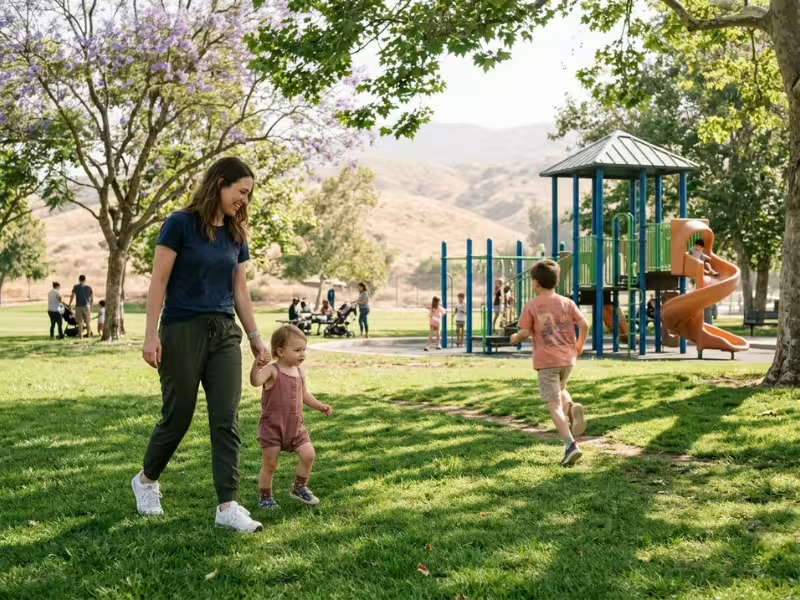
It’s Saturday morning. The sun is out, the kids are restless, and nobody wants to sit in traffic. Or it’s 3 p.m., and you need a plan before dinner.
Northridge makes this easy. You can reach a good park in minutes, and other Valley favorites are just a short drive away.
A great outing depends on more than the place, though. It also depends on your child’s age, the weather, your budget, and how much energy everyone has left.
This guide covers 12 things to do in Northridge with kids. It also includes a quick comparison table to help you pick the right one fast.
Why Northridge Works So Well for Family Outings
Northridge sits in the northwest San Fernando Valley, and that location gives families a real edge. The 405 and the 118 run close by, so Granada Hills, Chatsworth, Porter Ranch, and Encino are easy to reach. Outside rush hour, many Valley favorites take a short drive, not half your day.
For families in Northridge, the biggest strength isn’t one headline attraction. It’s balance. You get neighborhood parks you can visit three times a week, plus bigger destinations that feel like a treat. You rarely have to choose between “close” and “worth it.”
Budgets work the same way. Parks, open lawns, and library story times cost nothing. When you want something special, paid options like science centers, skating rinks, and indoor play spaces are nearby. One Saturday can mix both. Start with a free morning at the park, then spend a paid hour indoors when the afternoon heat rolls in.
That range lets Northridge fit almost any kind of day:
- A short local outing: 45 minutes at a nearby playground after school, and home before dinner.
- A half-day plan: A bigger park or museum, a picnic lunch, and back in time for naps.
- A last-minute weekend outing: No tickets and no reservations, just a quick drive to a spot you already know.
That flexibility matters more than any single attraction. Plans with kids change fast. A toddler melts down, or the sun gets too strong by noon. A good home base lets you adjust without scrapping the whole day.
Start With the Kind of Day You Want
Most parents start with one question: “Where should we go?” A better first step is to decide what kind of day you want. Once you know that, the right place usually becomes obvious.
Before you grab the car keys, run through five quick questions.
Big energy or something calm? A child who has been stuck indoors all week needs room to run, climb, and shout. A child coming off a packed school week may enjoy a story time or a slow nature walk more. Match the outing to your child’s mood, not the other way around.
45 minutes or half a day? A short window calls for a nearby playground with easy parking and a quick exit. A free Saturday opens the door to a bigger park, a science center, or the zoo.
Free, or worth a ticket? Free spots work well for repeat visits and spur-of-the-moment plans. Paid outings make more sense when you can stay long enough to get your money’s worth.
Too hot, or a perfect outdoor day? By late morning in summer, Valley heat can make slides and swings uncomfortable. On those days, head out early or go straight indoors. On mild spring and fall days, stay outside as long as you can.
Toddler or school-age kids? Toddlers need low equipment, shade, and a plan that ends before nap time. Older kids want challenge, space, and something new. If you have siblings, pick a spot that offers both, so nobody spends the visit bored.
Answer these honestly, and your options shrink fast. A hot afternoon with a two-year-old and one free hour calls for a very different plan than a cool Sunday with a seven-year-old.
Each outing below notes the kind of day it suits best, so you can match it to your answers in seconds.
Best Outdoor Places for Fresh Air and Big Energy
Outdoor play does the most work on a restless kid. Twenty minutes of running and climbing can settle a child better than an hour of screen time. These spots fit big-energy days and cooler mornings best. The trick is to pick the right kind of park for the day you have.
Some parks win on convenience. Others earn the drive because they give kids more room. Here’s when each one makes the most sense.
Northridge Park and Recreation Center: Your Easy Go-To
For local families, this is the natural first choice. It sits right in the neighborhood, so you can decide at 3:30 and be on the playground by 3:45.
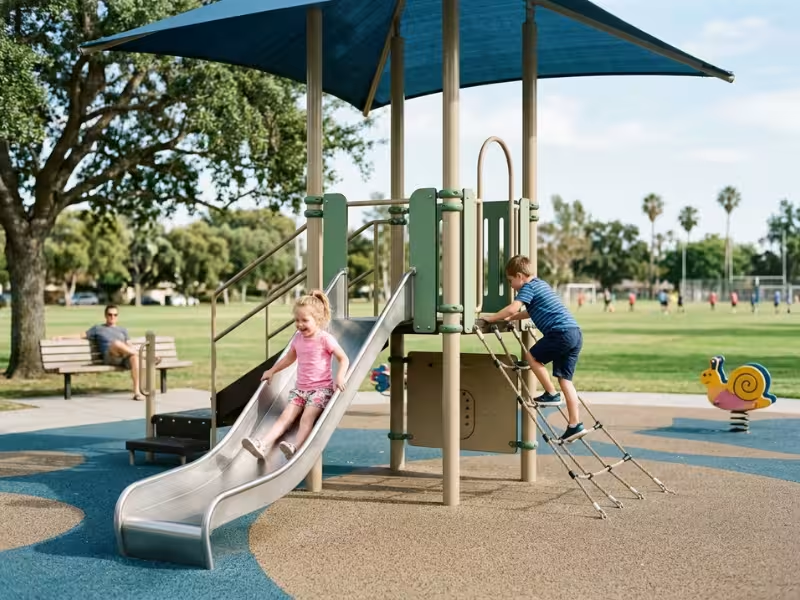
You get the basics in one stop: a playground with well-planned outdoor playground equipment, open grass, sports fields, and picnic spots. That mix works well for siblings. A preschooler can stay near the play equipment while an older child kicks a ball across the lawn, and you can keep both in view.
Ages 2 to 10 get the most from it. Toddlers can join in, but plan to stay close on the bigger structures.
Its real strength is repetition. Kids don’t need a new adventure every time. A familiar park lets them try the monkey bars again, find the same friends, and build confidence with each visit.
Parking: The on-site lot usually works fine on weekdays. On weekend mornings, youth sports games can fill it fast. Arrive early or expect a short walk.
Best time to go: Weekday mornings are the calmest for toddlers. After school brings more big kids. In summer, go before 10 a.m. or after 5 p.m., when slides cool down and shade stretches across the grass.
Lake Balboa: Worth the Short Drive
When you have a free morning and want more than a quick stop, head to Lake Balboa in the Sepulveda Basin. Outside rush hour, the drive takes about 15 to 20 minutes.
What you gain is space. Wide lawns give kids room to run without dodging other families. The lake adds something to watch, from ducks and geese to people strolling the loop path. Toddlers can explore at the water’s edge, while older kids race ahead on scooters or bikes.
The park also supports a slower, mixed pace. You can play for an hour, spread a blanket for lunch, walk part of the lake path, and finish with one more round on the playground. In spring, the cherry blossoms make the visit feel like an event.
Treat this as a half-day outing. Bring a picnic, extra water, and a ball or kite. If you only have 45 minutes, the drive and parking eat too much of it. Save Lake Balboa for a day when you can relax and stay a while.
Tip: Weekend afternoons get busy, especially in good weather. Arrive by mid-morning for easier parking and a shady picnic spot.
Smaller Neighborhood Parks for Quick Stops
Not every outing needs a destination. Sometimes you just need 30 minutes of fresh air between errands or before dinner.
For those moments, a small local park often beats a big one. Before you commit, look for three things:
- Shade over the playground. Trees or shade sails keep equipment cool and make summer visits possible past mid-morning.
- Stroller-friendly paths. Smooth walkways from the parking area to the play zone save you from hauling a stroller over grass or wood chips.
- A small, fenced play area. It keeps toddlers contained and lets you relax a bit.
These spots suit toddlers especially well. Fewer kids means less chaos, and a short visit ends before anyone gets overtired. In warm months, some nearby Valley parks also run splash pads, which make an easy way to cool off on a summer morning.
For older kids who need to burn serious energy, though, small parks can feel limited fast. Save them for quick resets. When your child needs to really run, choose the bigger spaces above.
Best Indoor and Learning-Focused Outings
Some days call for something calmer than a playground. Maybe your child asks a hundred questions about dinosaurs. Maybe you just want a place with air conditioning and a little brain work mixed in. These outings fit curious kids, calm days, and hot afternoons.
The best learning outings don’t feel like school. Kids touch, build, and test things, and the learning sneaks in. Below are three types worth knowing, and when each one pays off.
Discovery Cube Los Angeles: Hands-On Science for Curious Kids
Discovery Cube sits near Hansen Dam in the Sylmar area. Outside rush hour, the drive from Northridge takes about 20 to 25 minutes. It’s the closest true hands-on science center for Valley families.
Kids from about 3 to 10 get the most from it. They can push buttons, move water, and play pretend in kid-sized setups. Ages 5 to 8 often hit the sweet spot. They’re old enough to follow an exhibit and young enough to stay excited by all of it.
Toddlers are a different story. Under age 3, many kids feel overwhelmed by the noise, the crowds, and the older kids racing between stations. If you bring a toddler, go on a weekday morning. Plan for 60 to 90 minutes, not a full day.
When a membership makes sense: Do the math before you buy. If you plan to go three or more times a year, a family membership usually beats single tickets. It also takes the pressure off. You can leave after an hour without feeling like you wasted money.
Best time to go: During the school year, weekday afternoons often bring fewer field trips than mornings. Check the calendar before you go, since summer and holiday weeks fill up fast.
Local Libraries: The Most Underrated Free Outing
For budget-minded families, the library is one of the smartest stops on this list.
The Northridge Branch Library and nearby branches like Porter Ranch and Granada Hills run free programs all year. Story times top the list. A librarian reads, sings, and leads simple movement games. For toddlers, it’s a gentle first taste of group activities.
These programs fit small schedules well. Most story times last 20 to 30 minutes. That’s long enough to feel like an outing and short enough to finish before a meltdown.
Seasonal events add variety. Summer reading challenges, holiday crafts, and family movie days give older kids a reason to come back. Many branches also offer homework help for school-age children.
The library also makes a smart hot-day fallback. It’s cool, quiet, and free, and your child walks out with a stack of new books.
Tip: Story time schedules change by season. Check your branch’s online calendar before you go, and arrive 10 minutes early. Popular sessions can fill the room.

Natural History Museum: A Special Trip, Not a Weekly One
When your family wants a bigger adventure, the Natural History Museum of Los Angeles County earns the drive. It sits in Exposition Park, about 40 to 60 minutes from Northridge, depending on traffic.
The dinosaur hall alone makes the trip worthwhile for many kids. Towering skeletons spark real awe, especially in children ages 5 to 12. Toddlers enjoy the big shapes too, but they rarely last more than an hour.
Treat this as a special outing. Save it for a cool weekend day, a school break, or a rainy Saturday. Leave by 9 a.m. to beat traffic, and plan to spend about half a day there.
Is it worth the drive? Yes, if your child loves animals, fossils, or big “wow” moments. Two visits a year often feel like plenty. For weekly learning fun, stay closer to home with the library and Discovery Cube.
Tip: Look for free-admission times and resident discounts on the museum’s website. A little planning can cut your family’s ticket cost a lot.
Best Choices for Hot Days, Rainy Days, or When You Need an Easy Win
Valley summers can climb past 100 degrees by early afternoon. Rain is rare, but when it arrives, every family in town seems to have the same idea. On those days, you need a low-planning backup that works without much guesswork.
These indoor options cover that gap. Each one suits a different age and budget, so match the choice to your kids and to how much energy you have left.
Indoor Play Spaces: Run and Climb Without the Heat
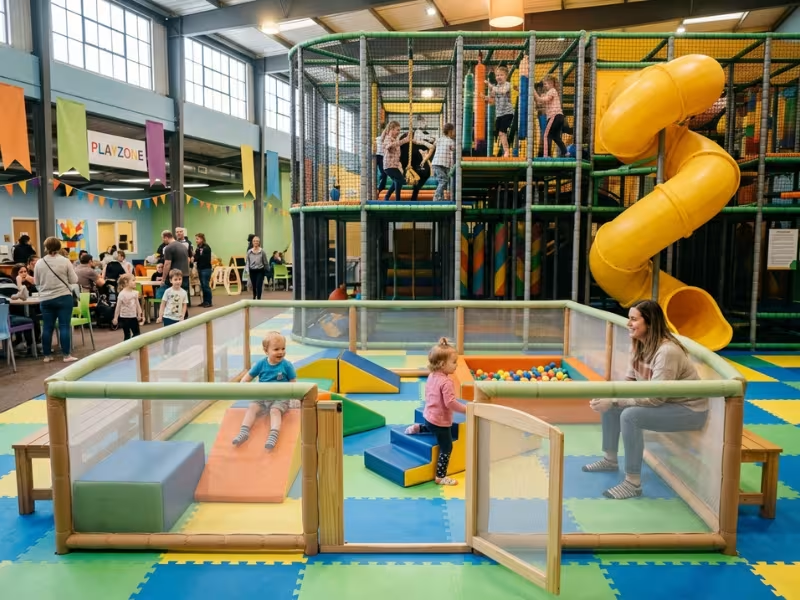
When a child needs to run and climb but the outdoor slides are too hot to touch, an indoor play space is your strongest backup. Kids get the same big-movement play they’d get at a park, with air conditioning.
Age changes what you should look for. Toddlers do best in indoor play centers with separate, gated zones, low climbers, and parent seating nearby. The best spaces use age-appropriate indoor playground equipment rather than one-size-fits-all structures. Kids 5 and up want height: multi-level structures, tube slides, and netting to scramble through. If you bring both, pick a center that offers both zones.
Crowds follow the weather. Expect a rush on hot weekend afternoons, rainy days, and school breaks. Weekday mornings are calmest, which suits toddlers best.
Before you pay, take a quick look around. Check that big kids stay out of the toddler area and that the padding looks clean. Pack grip socks, because most centers require them.
Bowling, Skating, Arcades, and Trampoline Parks: Better for Bigger Kids
These outings work best for kids around 6 and older. They have the coordination to roll a ball, stay up on skates, or bounce safely. They also love the feeling of a “real” activity.
For toddlers, these places rarely work well. Bowling balls are heavy, rinks are slippery, and trampoline parks often set age or height limits for the main courts. A two-year-old usually ends up watching, and the trip feels long for everyone.
Think about cost and time before you go. Bowling and skating feel like a planned family event. Expect an hour or two, plus shoe or skate rental for each person. Arcades work the other way. They seem cheap, but tokens and game cards disappear fast, so set a budget for each child before you walk in. Trampoline parks charge by time slot, and 60 minutes is plenty for most kids.
Ask about weekday specials. Many venues offer cheaper family sessions on slower nights.
Malls and Mixed-Use Centers: Not Perfect, But Very Practical
Some days, you don’t need the perfect outing. You need clean bathrooms, food options, and a place to walk that isn’t baking in the sun.
That’s where a mall or mixed-use center earns its spot. Northridge Fashion Center fits this role well. You get air conditioning, a food court that works for picky eaters, and a movie theater if the afternoon needs a reset. You can stay 30 minutes or three hours with no planning.
It has limits. Kids don’t get much real exercise, and shop windows pull attention toward toys and treats. Go in with a simple plan, like lunch, a walk, and one small activity.
Use it as a backup, not a weekly habit. It works best for mixed-age siblings, outings with grandparents, or days when you have errands to run anyway.
Animal and Nature Outings Worth the Drive
Parks and play spaces cover most weekends. But every so often, kids need something bigger, like a giraffe at eye level or a dusty trail with lizards darting across it.
These outings take more planning than a quick playground stop. Save them for days when you have time to enjoy them.
Los Angeles Zoo: Plan It Like a Real Trip
The zoo sits in Griffith Park, about 25 to 40 minutes from Northridge depending on traffic. It’s not a spur-of-the-moment stop. Treat it as a half-day outing and plan around it.
Kids ages 3 to 10 tend to love it most. Toddlers enjoy the big animals but tire quickly. Older kids like to lead the route and read the signs.
Heat is the biggest challenge. The paths climb and dip, and much of the zoo sits in full sun. Arrive at opening, see the most popular animals first, and aim to leave by early afternoon in summer. Many animals also rest in the midday heat, so mornings bring more action.
Bring a stroller or wagon even for kids who usually walk. Those hills wear out small legs fast. Pack refillable water bottles and snacks to save money inside. If you plan to visit more than twice a year, compare the membership price with single tickets.
Valley Nature Spots and Easy Trails: A Slower, Looser Day
Not every outing needs a schedule. Sometimes the best plan is a short trail, a few rocks to climb, and time to look at bugs.
Spots like the Sepulveda Basin Wildlife Reserve, O’Melveny Park in Granada Hills, and Chatsworth Park South work well for young hikers. Kids can watch birds, spot lizards, and set their own pace.
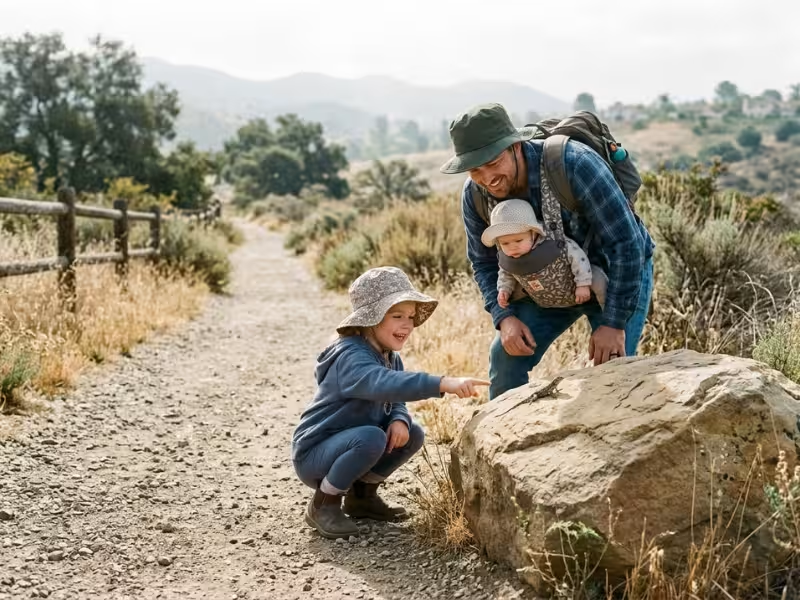
Be realistic about strollers, though. Most trails here use dirt, gravel, or uneven ground. A rugged stroller can handle a flat path near the parking lot. Beyond that, a baby carrier works far better for kids under 3. Preschoolers can usually walk a mile or so with breaks.
Go early, wear closed-toe shoes, and bring more water than you think you need. Shade can be scarce. Ask kids to stay on the trail, and turn back before anyone gets tired. A short walk that ends happily beats a long one that ends in tears.
How to Choose the Right Outing for Your Child’s Age and Energy
The same park can feel perfect for one child and miserable for another. So before you pick a place, think about who’s riding in the back seat. Age and energy shape the day more than the destination does.
Toddlers (under 3) do best in small, calm, predictable spaces. A fenced neighborhood playground, a library story time, or a weekday-morning indoor play session with a gated toddler zone all work well. Keep the visit to 60 to 90 minutes, and head home before nap time. A short, happy outing beats a long one that ends with a meltdown in the parking lot.
Preschoolers (3 to 5) start to want more. They want to climb higher, touch everything, and see real animals. Discovery Cube, the ducks at Lake Balboa, and a morning at the zoo all suit them well. Plan one main activity plus a snack break. Expect to leave before you’ve seen everything, and that’s fine.
Early elementary kids (6 to 9) can handle real activities and longer days. Bowling, skating, a trampoline session, a mile-long trail, or the dinosaur hall at the Natural History Museum will hold their attention. Let them help choose the outing or lead part of the route. Kids this age stay invested when the plan feels partly theirs.
Mixed-age siblings need a spot with layers. Bigger parks like Northridge Park or Lake Balboa work well because a toddler can stay near the play area while an older child runs across the field. On hot days, indoor play centers with separate toddler and big-kid zones do the same job. In many of the better-designed venues, custom playground equipment makes that age split and traffic flow much easier to manage. Skip places that serve only one age, like trampoline courts or a quiet story time.
A few patterns hold true no matter who you bring:
- Most likely to overstimulate: busy science centers, arcades, and trampoline parks on weekend afternoons
- Most stress-free: neighborhood parks, library programs, and weekday mornings almost anywhere
- Best when ages differ: large parks with open space, and indoor play centers with split zones
When you’re unsure, plan around your youngest child’s limits and your oldest child’s interests.
Planning Tips That Make Family Outings Easier
The right place matters. But timing, parking, and a well-packed bag often decide whether an outing feels easy or exhausting. A great park at the wrong hour can still end in tears.
These habits help Northridge outings run smoothly, based on how local families actually move through a week.
Go Early, and Go on Weekdays When You Can
Weekday mornings are the Valley’s best-kept secret. Between 9 and 11 a.m., playgrounds belong mostly to toddlers and their caregivers. Lines stay short, and parking is simple.
Weekends follow a different rhythm. Youth sports fill park lots by 8 a.m. Indoor play centers and Discovery Cube get busy by late morning. Lake Balboa fills up after lunch on nice days.
If a weekend is your only option, beat the crowd rather than join it. Arrive at opening, play hard for two hours, and leave as everyone else pulls in. You’ll get the best of the day and skip the worst of the traffic.
Plan for Parking and the Stroller Before You Leave
Most outing stress starts in the parking lot, so think about it before you leave home.
At Northridge Park, weekend games can push you to street parking and a short walk. Lake Balboa has several lots around the lake. Pick one close to the playground if you’re hauling a cooler and a toddler. At the zoo, the lot itself is easy, but the hills inside will wear out small legs. Bring the stroller even if your four-year-old says they’ll walk.
Trails are the exception. Dirt paths and rocky ground make most strollers a struggle. Use a carrier for kids under 3, and leave the stroller in the car.
Pack for Valley Sun, Not Just a Nice Day
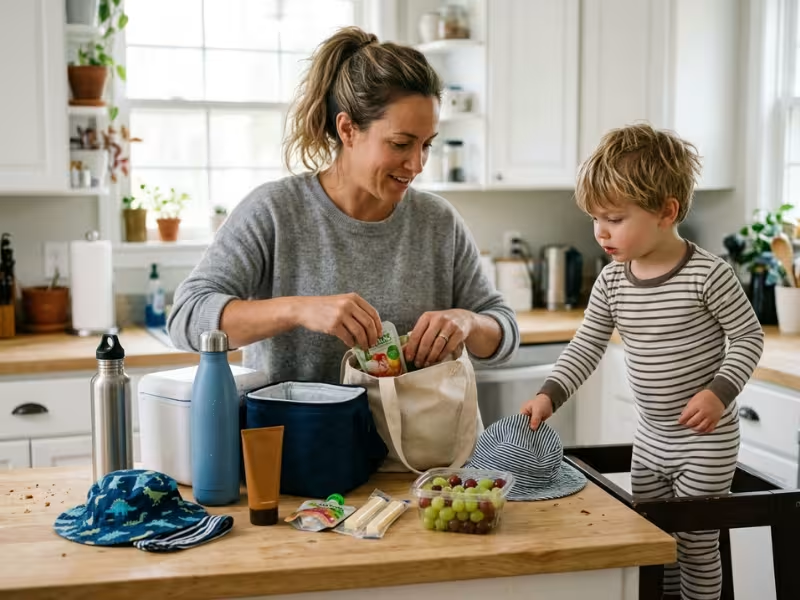
Even a mild morning can turn hot by noon here. Put sunscreen on before you leave the house, and reapply every two hours. Hats help more than most parents expect, especially for toddlers who won’t sit still for a second coat.
Water matters even more. Freeze one bottle the night before. It melts slowly and stays cold through the morning. Bring one bottle per person, plus an extra.
For snacks, think simple and mess-free: crackers, fruit pouches, cheese sticks, and cut grapes for older kids. Keep a small cooler in the car. A snack break at the right moment can rescue the second half of an outing.
Pair Two Nearby Stops Instead of One Long One
Two short stops often beat one long one. Kids get a fresh start halfway through, and you get a natural break.
A few pairings work especially well:
- Hot summer day: Northridge Park at 8:30 a.m., then lunch and a walk at Northridge Fashion Center once the heat sets in.
- Toddler morning: Library story time, then 30 minutes at a small neighborhood playground nearby.
- Relaxed weekend: A morning at the playground at Lake Balboa, then a picnic lunch on the lawn by the lake.
Keep the drive between stops under 15 minutes. Anything longer, and kids often fall asleep in the car or lose interest in the second stop.
Know When to Call It a Day
One rule helps most families: plan one big outing per day, not two. The zoo plus a museum sounds efficient. In practice, it usually leaves everyone cranky by 3 p.m.
Watch for early signs that your child has had enough. They start whining over small things or tripping more often. They may refuse to try equipment they loved an hour ago. Those are your cues to wrap up.
Leave while your kids are still having fun. That way, they remember the outing fondly and want to go back. An outing that ends on a high note beats one that runs an hour too long.
12 Outings at a Glance
Twelve outings is a lot to remember, especially with a toddler tugging at your sleeve in the parking lot. This table puts every option on one screen. Save it to your phone and check it before you grab the car keys.
Start with the last column. It tells you what kind of day each outing suits, from a quick after-school stop to a full weekend trip. Then check the ages and time needed to see if it fits your family today.
Cost levels give a rough idea for a family of four. Free means no admission. $ usually stays under $30, $$ runs about $30 to $80, and $$$ goes higher. Splash pads usually run only in warm months. Prices and hours change, so check each venue’s website before you go.
|
Outing |
Area |
Best for Ages |
Indoor/Outdoor |
Cost Level |
Time Needed |
Best for |
|---|---|---|---|---|---|---|
|
Northridge Park and Recreation Center |
Northridge |
2–10 |
Outdoor |
Free |
45 min–2 hrs |
Quick after-school stop |
|
Lake Balboa |
Encino / Sepulveda Basin |
All ages |
Outdoor |
Free |
Half day |
Relaxed picnic morning |
|
Smaller neighborhood parks |
Around Northridge |
1–5 |
Outdoor |
Free |
30–60 min |
Toddler reset between errands |
|
Discovery Cube Los Angeles |
Sylmar area |
3–10 |
Indoor |
$$ |
1.5–3 hrs |
Curious kids on a hot day |
|
Library story times and programs |
Northridge, Porter Ranch, Granada Hills |
1–8 |
Indoor |
Free |
30–60 min |
Toddler-friendly morning on a budget |
|
Natural History Museum |
Exposition Park |
5–12 |
Indoor |
$$ |
Half day |
Special trip for dinosaur fans |
|
Indoor play spaces |
Around the Valley |
1–10 |
Indoor |
$–$$ |
1–2 hrs |
Hot-weather backup with big energy |
|
Bowling, skating, arcades, and trampoline parks |
Around the Valley |
6+ |
Indoor |
$$ |
1–2 hrs |
Big-kid energy burner |
|
Northridge Fashion Center |
Northridge |
All ages |
Indoor |
Free–$ |
30 min–3 hrs |
Food, bathrooms, and flexibility |
|
Los Angeles Zoo |
Griffith Park |
3–10 |
Outdoor |
$$$ |
Half day |
Planned weekend trip with an early start |
|
Valley nature trails |
Sepulveda Basin, Granada Hills, Chatsworth |
3+ (carrier for under 3) |
Outdoor |
Free |
1–2 hrs |
Slower, low-key morning |
|
Splash pads |
Nearby Valley parks |
1–8 |
Outdoor |
Free |
45 min–1.5 hrs |
Cooling off on summer mornings |
How to Pick Fast Based on the Day
The big table shows every option. This one works faster because it starts with your situation, not the place.
Find the row that matches your day. Read across, and you’ll have a plan in under a minute. It’s the same shortcut that works when a Saturday morning starts with “Where should we go?”
The “Best local fit” column names the strongest first pick for each need. If that spot is crowded or closed, choose another outing of the same type. A different neighborhood park or a second library branch usually works just as well.
|
If you need… |
Best type of outing |
Best local fit |
Why it works |
|---|---|---|---|
|
A free morning outing |
Large park with open space |
Lake Balboa or Northridge Park |
No tickets, plenty of room to run, and cooler temperatures before 11 a.m. |
|
A short after-school stop |
Neighborhood playground |
Northridge Park and Recreation Center |
Close to home, with quick parking and an easy exit before dinner |
|
An indoor backup |
Indoor play space or library |
An indoor play center with split zones, or the Northridge Branch Library |
Air conditioning, nearby bathrooms, and no worries about heat or rain |
|
A half-day weekend plan |
Destination outing |
Discovery Cube or the Los Angeles Zoo with an early start |
Enough to fill a full morning, so the drive and ticket pay off |
|
Something toddler-friendly |
Small, calm, fenced space |
Library story time, then a small shaded park nearby |
Short sessions and low equipment, and you’re home before nap time |
|
Something for siblings with different ages |
Big park or split-zone indoor center |
Northridge Park, Lake Balboa, or an indoor center with separate toddler and big-kid areas |
Little ones play close by while older kids roam, so nobody gets bored |
FAQs
What are the best free things to do in Northridge with kids?
Start with Northridge Park and Recreation Center. It has a playground, open grass, and sports fields, and you can pop in for 45 minutes after school.
For a longer free outing, drive to Lake Balboa. Kids can run on wide lawns, watch the ducks, and ride scooters on the lake path. Library story times at the Northridge, Porter Ranch, and Granada Hills branches cost nothing too. Easy trails like O’Melveny Park and the Sepulveda Basin Wildlife Reserve round out the list.
What can toddlers do in Northridge?
Toddlers do best in small, calm spaces. Library story times run 20 to 30 minutes, which is just right for short attention spans. A small, fenced neighborhood playground with shade works well too.
On hot days, try an indoor play center with a gated toddler zone. Go on a weekday morning, keep the visit under 90 minutes, and head home before nap time.
Are there indoor activities in Northridge for hot or rainy days?
Yes, and you have options for every age.
- Indoor play spaces: Big-movement play with air conditioning. Look for separate toddler and big-kid zones.
- Discovery Cube Los Angeles: Hands-on science for kids about 3 to 10.
- Libraries: Cool, quiet, and free.
- Bowling, skating, and trampoline parks: Best for kids 6 and up.
- Northridge Fashion Center: Food, clean bathrooms, and a movie theater when you need a flexible backup.
Indoor spots fill up fast on hot weekend afternoons and rainy days. Arrive early if you can.
How far is Northridge from bigger kid-friendly attractions?
Outside rush hour, most trips stay manageable:
- Lake Balboa: about 15 to 20 minutes
- Discovery Cube Los Angeles: about 20 to 25 minutes
- Los Angeles Zoo: about 25 to 40 minutes
- Natural History Museum: about 40 to 60 minutes
Traffic on the 405 and 101 can double these times. For the zoo or the museum, leave by 9 a.m. and plan for half a day.
What’s the best time of week to visit Northridge parks with kids?
Weekday mornings win. Between 9 and 11 a.m., playgrounds stay quiet, parking is easy, and toddlers have room to explore.
Weekends get busy early. Youth sports games fill park lots by 8 a.m., and Lake Balboa crowds up after lunch. If the weekend is your only option, arrive early and leave as the crowds roll in.
In summer, skip midday entirely. Go before 10 a.m. or after 5 p.m., when slides cool down and shade covers more of the playground.
Plan Around Your Day
Northridge doesn’t win because of one big attraction. It wins because it bends to your day. You can pair a park with a library visit, and you can change plans at noon without losing the whole outing. It works on a tight budget and on a 100-degree afternoon.
That flexibility only helps if you use it.
So start this week. Open the comparison table and pick two outings. Choose one outdoor spot for the morning and one indoor backup for when the heat hits or energy fades.
Plan one day around them. Check the hours, pack the water, and leave early. Your kids will remember the fun, and you’ll remember how easy it felt.