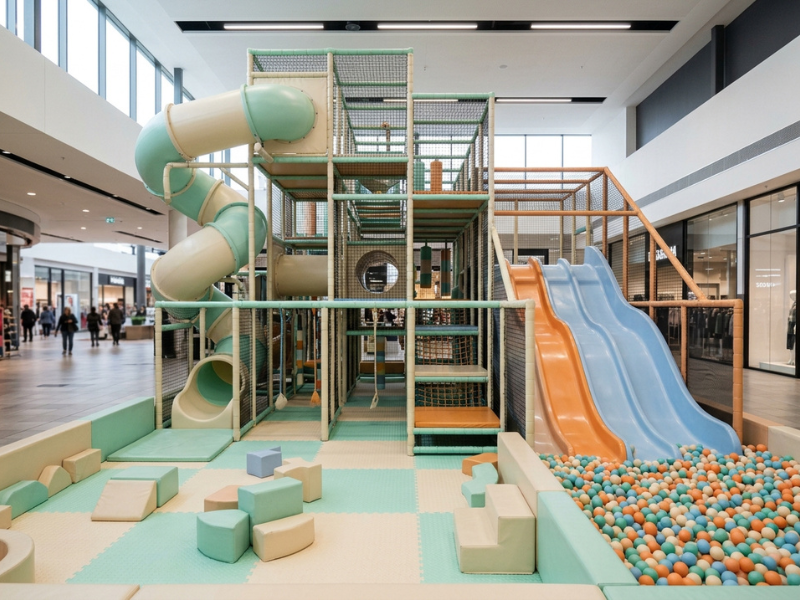
Many families in the Philippines want safe and fun indoor play spaces. Demand is growing in malls, mixed-use sites, and family-focused commercial areas. But the cost to build an indoor playground can vary a lot. A small soft play setup may need a modest budget, while a themed playground with party rooms or a café can cost several times more.
This article gives a clear answer to one question: how much does it cost to build an indoor playground in the Philippines? I will not stay at the level of broad ideas. I will help you judge realistic budget ranges, compare business models, and spot the cost traps that catch many first-time operators.
When I review projects like this, I look beyond equipment prices. I pay close attention to location, fit-out scope, rent structure, utilities, and cash reserve. Those items usually shape the real budget more than most buyers expect. Actual costs vary by city, landlord requirements, equipment source, and fit-out scope.
How Much Does It Cost to Build an Indoor Playground in the Philippines?
Here’s the short answer. Most indoor playground projects in the Philippines fall into three budget tiers, based on size and concept.
| Project Type | Typical Size | Estimated Setup Cost |
|---|---|---|
| Small basic soft play | 80–200 sqm | ₱1.5M–₱4M |
| Mid-size mall playground | 250–500 sqm | ₱5M–₱12M |
| Large themed site with party rooms or café | 600+ sqm | ₱15M–₱40M+ |
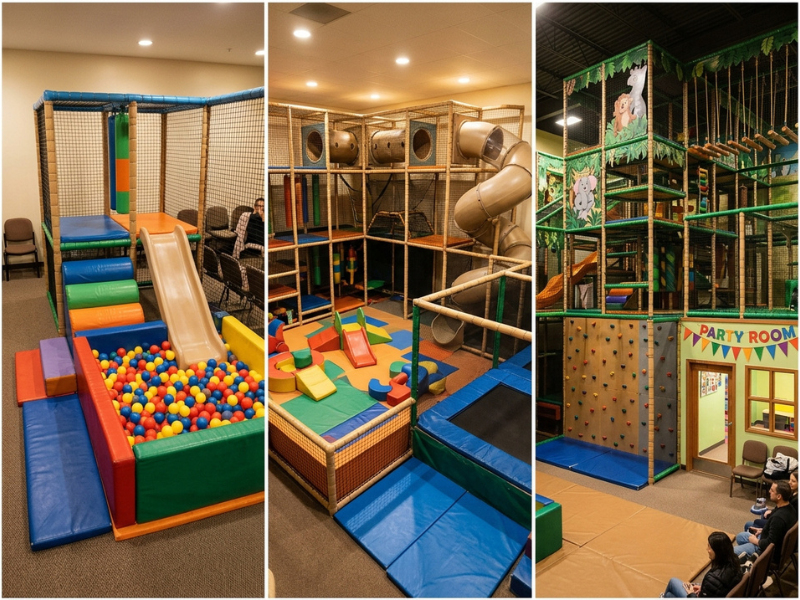
A small setup usually means local soft play, a toddler corner, and simple finishes. Mid-size sites add more attractions, better theming, and a heavier mall fit-out. Large builds bring premium features, custom design, and food or event spaces.
These figures reflect setup cost. That usually covers equipment, fit-out, installation, and basic launch items.
One important reminder: many headline quotes leave out working capital, lease deposits, advance rent, and some permits. I see first-time owners get caught by this often. Deposits and advance rent alone can tie up several months of rent before you open your doors.
Treat any quoted figure as a starting point, not your full budget.
What Has the Biggest Impact on Your Budget?
Two owners can both say, “We’re building an indoor playground,” and still end up millions of pesos apart. When I go through a quote with a client, five variables almost always explain that gap.
Floor Area Sets the Baseline
Every square meter you add needs flooring, lighting, aircon, and play equipment. It also raises your rent and deposit.
A 150 sqm site and a 500 sqm site are different projects, not just different numbers. The bigger one needs more staff, more power, and a longer build. I tell clients to size the space for realistic weekend traffic, not for their dream layout.
Mall or Standalone Changes the Rules
Malls bring steady foot traffic. They also bring strict fit-out standards, approved contractors, and higher deposits.
Standalone sites often charge less rent per square meter. However, you may pay for parking, signage, restrooms, and building upgrades that a mall would normally cover.
Imported or Local Equipment
Local fabricators can build soft play for less and deliver it faster. Imported equipment usually costs more once you add freight, duties, and installation crews.
In return, you may get stronger safety certifications and more polished designs. The right choice depends on your location, your customer expectations, and the type of experience you want to build.
Simple Soft Play or Premium Attractions
A basic structure with slides and a ball pit stays affordable. Once you add trampolines, ninja courses, interactive projection games, or climbing walls, costs climb fast.
Each premium attraction also needs more space, closer staff supervision, and more maintenance.
How Far You Take Fit-Out and Theming
This variable surprises owners the most. Painted walls and branded signage cost little. Custom 3D sculptures, themed ceilings, and immersive zones can rival your entire equipment budget.
Before I approve any theming item, I ask one question: will this detail bring families back, or will it just look good in photos?
Core Startup Costs You Need to Budget For
Startup costs do not all carry the same weight. Some take most of your budget, some hide in the fine print, and a few tend to run over. Here is how I break them down when I build a budget with a client.
Equipment and Play Structures
Equipment is usually the largest visible line in your budget. In many projects, it takes about 30% to 45% of total setup cost.
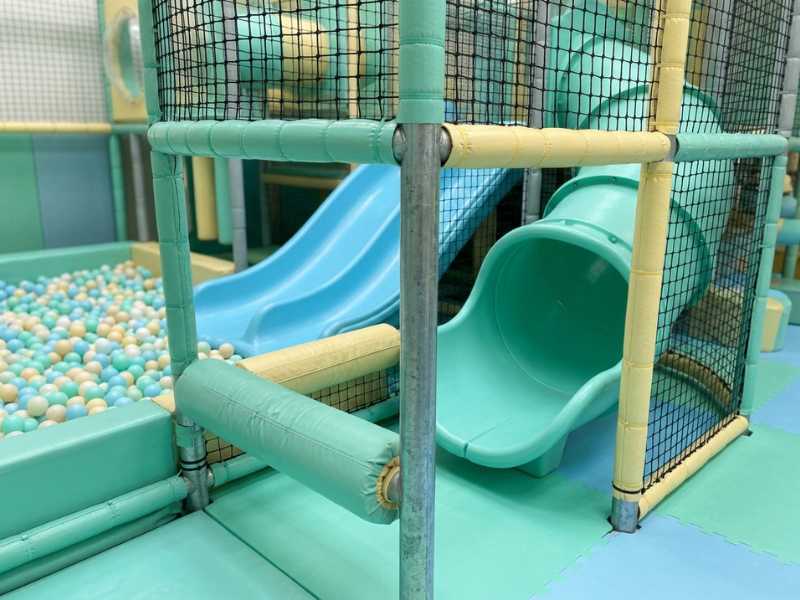
Soft play structures form the core. These often include multi-level frames, slides, ball pits, and padded obstacles. If you are still comparing layouts and safety features, reviewing different types of indoor playground equipment can help you build a more realistic equipment budget.
Local fabricators may quote around ₱8,000 to ₱15,000 per square meter of play area. Imported units from China may look cheaper per square meter on paper. But ocean freight, customs duties, brokerage, and a foreign install crew can add a lot on top.
The toddler zone looks small, but do not cut corners here. Parents with kids under three often become your most loyal weekday customers. Budget for separate soft flooring, low barriers, and age-safe pieces.
Premium add-ons are where equipment budgets usually go over. Trampolines, ninja courses, projection walls, and climbing walls each need extra space, padding, staff, and spare parts. I tell clients to price each add-on as its own mini project, not as a single line item.
For owners who want a more branded layout or a site built around a specific space plan, custom playground equipment may be a better fit, but it usually increases design, production, and installation costs.
For imported versus local equipment, compare the full landed cost, not the factory price. Ask every supplier for safety certifications such as ASTM F1918 or EN 1176. Also ask for warranty terms and who handles repairs after year one.
Lease, Deposits, and Location Costs
Rent itself rarely shocks owners. The cash you pay before opening day does.
Many malls ask for two to three months of advance rent plus about three months of security deposit. A 300 sqm space at ₱1,000 per sqm costs ₱300,000 a month. That means you could pay up to ₱1.8M upfront before you install a single slide. None of that money buys play equipment.
Many malls also add CUSA charges, aircon fees, and marketing fund fees on top of base rent. Ask for the total monthly occupancy cost, not just the rate per square meter.
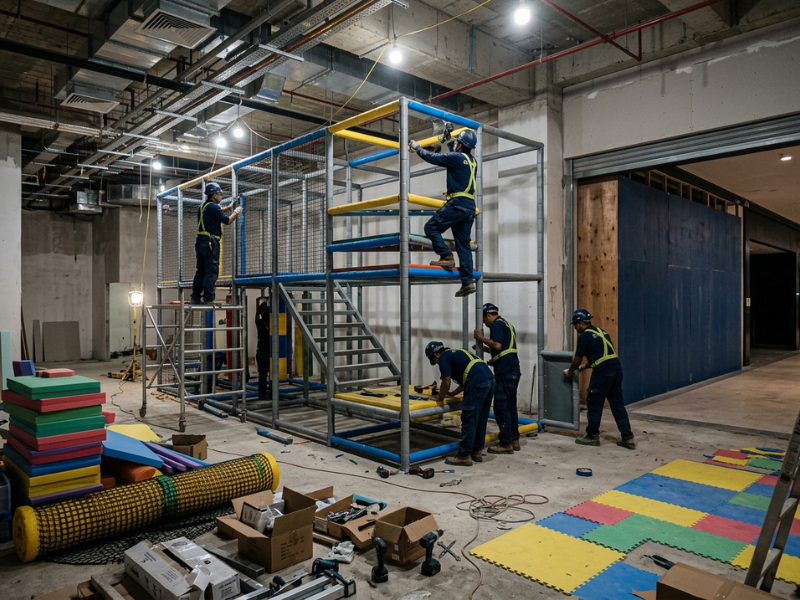
Mall compliance is the cost owners miss most often. Expect a construction bond, design approval, mall-accredited contractors, and night-only work rules. Each one adds time and money.
My advice is simple. Negotiate a rent-free fit-out period of 30 to 60 days. It costs the landlord little, and it can save you one or two months of rent while your space earns nothing.
Fit-Out, Construction, and Utilities
This category goes over budget more often than any other. Hidden building issues tend to appear once work starts.
Flooring comes first. Play areas need impact-absorbing mats or EVA foam. Lobby and café areas need durable vinyl or tile.
Electrical work catches many owners off guard. Projection games, arcade units, and kitchen equipment may need a load upgrade, new panels, and separate circuits. Get your power load computed before you finalize any equipment order.
HVAC matters a lot in the Philippine heat. Active kids warm up a room fast. If the existing aircon cannot handle a full Saturday crowd, families leave early. Upgrades can easily run into hundreds of thousands of pesos.
Fire safety is non-negotiable. Plan for sprinkler changes, smoke detectors, emergency lights, exit signs, and fire-rated materials that can pass BFP inspection.
Signage and theming give you the most flexibility. A strong storefront sign and a clean color scheme do most of the work.
Add a 10% to 15% contingency to this category alone.
Permits and Registration
Permits cost the least but often cause the most delays. Register with DTI or SEC first. Then secure a barangay clearance, mayor’s permit, and BIR registration. Your fit-out may also need a building permit, an occupancy permit, and a Fire Safety Inspection Certificate. You will need a sanitary permit if you serve food. Fees stay modest, but processing can take weeks, so start early.
Opening Costs and Working Capital
This is where many new playgrounds struggle. They did not build badly. They simply ran out of cash.
Hiring and training start before you open. Play attendants, cashiers, and a supervisor may need two to four weeks of paid training on safety, cleaning, and crowd control. You cover that payroll with zero sales coming in.
A POS system with waiver capture, timed entry, and party bookings may cost around ₱50,000 to ₱150,000, including hardware. Launch marketing, such as social ads, influencer visits, and opening promos, may need another ₱100,000 to ₱300,000.
Then set aside three to six months of working capital for rent, payroll, utilities, and supplies. Traffic often takes time to build. Owners who skip this reserve often make rushed decisions once slow weekdays hit.
Budget by Business Model: Which Setup Costs More?
Your business model shapes your budget as much as your floor area does. I always ask clients three things before we compare models: what costs more upfront, what suits a first-time operator, and where the surprise bills tend to show up.
Franchise vs. Independent Build
A franchise almost always costs more at the start. Franchise fees for local playground brands often run from ₱500,000 to ₱2M. On top of that, you may pay royalties of about 5% to 8% of gross sales, plus a marketing fund fee of 1% to 3%.
For first-time operators, a franchise can feel easier. It gives you a tested layout, safety rules, staff training, and a known brand. That support can save you from costly early mistakes.
The hidden costs often appear in required suppliers. Franchisors may ask you to buy equipment, uniforms, and supplies from approved vendors. Those prices can run above open-market quotes. Read the contract carefully for renewal fees and required renovations every few years.
An independent build costs less upfront and gives you full control. But you have to create everything yourself, including branding, waivers, safety procedures, pricing, and staff manuals. Owners often pay for this later through trial and error.
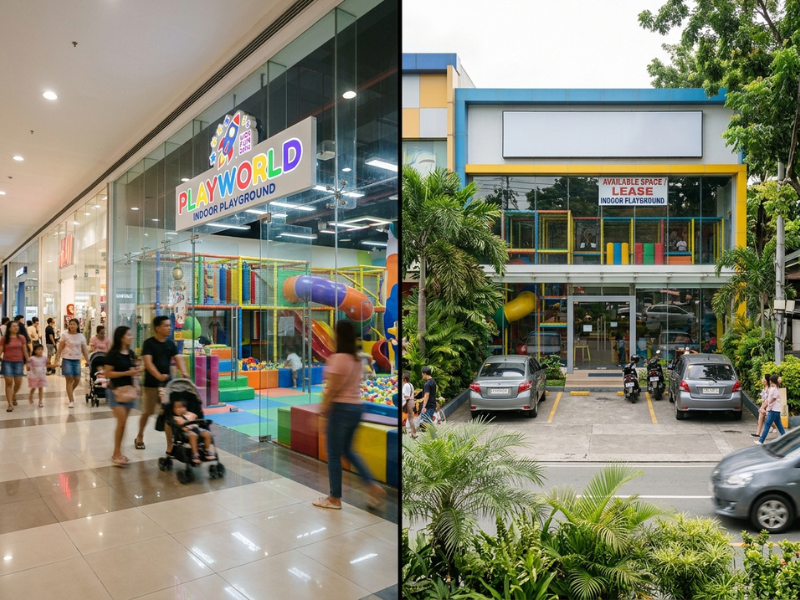
Mall-Based vs. Standalone Location
Malls usually cost more. Rent in Metro Manila often lands around ₱800 to ₱1,500 per sqm, and that is before CUSA charges, aircon fees, and larger deposits.
For first-time operators, a mall is often easier. Families already walk past your door. You do not need to build traffic from scratch, and the mall handles parking, security, and restrooms.
The hidden costs show up in compliance. Some malls charge percentage rent once your sales pass a set level. Many also require accredited contractors and night-only construction, which can raise labor rates. Watch for required store refreshes when you renew your lease.
A standalone site may look cheaper per square meter. Yet I have seen owners spend heavily on extra restrooms, a backup generator, parking, and outdoor signage permits. You also carry the full marketing load. Without mall foot traffic, you may need a larger first-year ad budget.
Play-Only vs. Play Café or Party-Room Concept
Adding a café or party rooms can raise your setup cost sharply. Kitchen equipment, exhaust hoods, grease traps, and a sanitary permit can easily add a large extra amount. Each party room also takes floor space that you continue paying rent on every month.
For first-time operators, play-only is much simpler. You manage admissions, cleaning, and safety, and that is already enough to learn in year one. Food service brings food handler training, inventory, spoilage, and health inspections.
The hidden costs usually appear in operations. Café owners often underestimate food waste and the extra staff they need during peak hours. Party rooms often sit empty on weekdays, yet you still pay rent on that space. Decorations, sound systems, and party hosts add ongoing costs too.
Still, parties and food can raise your average spend per visit by a wide margin. My advice is to start with one party room and a simple snack counter. Expand once your weekend bookings show steady demand.
Sample Budget Scenarios
Budget ranges only become useful once you see them inside a real project. The three examples below reflect the types of projects I review most often. Each one shows where the money tends to go, including deposits and cash reserve.
Scenario 1: Small Soft Play in a Provincial Mall
This example assumes a 150 sqm soft play with a toddler corner inside a provincial mall, built mostly with local equipment.
| Cost Item | Estimated Range |
|---|---|
| Local soft play + toddler zone | ₱900K–₱1.3M |
| Fit-out (flooring, electrical, fire safety, signage) | ₱500K–₱800K |
| Deposits + advance rent | ₱375K–₱525K |
| Permits and registration | ₱30K–₱60K |
| Hiring, training, POS, launch marketing | ₱150K–₱250K |
| Working capital | ₱400K–₱600K |
| Total cash needed | ₱2.4M–₱3.5M |
This budget stays lean for three main reasons. Provincial rent often sits at a more manageable level, local fabricators remove freight and duty pressure, and the existing mall aircon can often support a space this size. The bigger risk here is slower weekday traffic, so the reserve matters.
Scenario 2: Mid-Size Mall Playground in Metro Manila
This example assumes a 350 sqm playground in a busy Metro Manila mall, with soft play, a toddler zone, and one premium attraction.
| Cost Item | Estimated Range |
|---|---|
| Equipment (local core + one imported attraction) | ₱3.0M–₱4.2M |
| Fit-out, HVAC upgrade, mall compliance | ₱1.8M–₱2.8M |
| Deposits + advance rent | ₱1.75M–₱2.3M |
| Permits and registration | ₱80K–₱150K |
| Hiring, training, POS, launch marketing | ₱350K–₱550K |
| Working capital | ₱1.5M–₱2.2M |
| Total cash needed | ₱8.5M–₱12.2M |
This is where many owners underestimate cash needs. The setup cost may look manageable at first, but deposits and reserve can push the real funding requirement much higher. Mall rules also add cost through accredited contractors, night work, and construction bonds.
Scenario 3: Large Themed Playground With Party Rooms and a Café
This example assumes an 800 sqm themed destination with premium imported attractions, two party rooms, and a full café.
| Cost Item | Estimated Range |
|---|---|
| Premium imported play equipment | ₱8M–₱14M |
| Custom theming and design | ₱2.5M–₱6M |
| Fit-out, HVAC, electrical, kitchen works | ₱4M–₱7M |
| Café and party room equipment | ₱1M–₱2M |
| Deposits + advance rent | ₱3.2M–₱4.4M |
| Permits (including sanitary) | ₱150K–₱300K |
| Hiring, training, POS, launch marketing | ₱800K–₱1.5M |
| Working capital | ₱3M–₱5M |
| Total cash needed | ₱22.6M–₱40.2M |
The wide range here comes down to choices. Theming alone can swing the budget by several million pesos. The café adds kitchen infrastructure and food staff. Party rooms add floor space that still costs rent on quiet weekdays. I only recommend this scale when the location already draws strong family traffic and the owner can carry a longer ramp-up period.
Hidden Costs Many First-Time Owners Miss
Most budgets do not fail on equipment alone. They fail on the costs nobody quoted clearly.
Deposits and advance rent surprise owners because they do not feel like spending. You may recover part of that money later, but it still leaves your account months before opening.
Freight and installation also hide behind attractive factory quotes. An imported price may exclude ocean freight, customs clearance, trucking to your site, and the install crew’s travel and lodging. Always ask for a delivered-and-installed price in writing.
Landlord requirements tend to grow after you sign. Malls may ask for revised drawings, a specific ceiling finish, accredited contractors, or a construction bond. Each request sounds small, but together they can add a meaningful amount.
AC and electrical upgrades often show up late. A space that feels cool on a Tuesday visit may struggle with 80 active kids on a Saturday. Ask the landlord for the real cooling capacity and power load before you commit.
Maintenance parts become a cost sooner than many owners expect. Nets tear, vinyl splits, and springs wear out. Order a spare-parts kit with your equipment if possible.
Sanitization, repairs, and pre-opening payroll also add up fast. Finally, keep a delayed-opening buffer. Permits stall, shipments sit at port, and inspectors move their visit dates. One extra month of rent and payroll can protect you from a bad start.
How to Cut Startup Costs Without Cutting Corners
Saving money is easy. Saving it without families noticing takes more care. When I trim a client’s budget, I separate what families actually feel from what only the owner sees.
Where You Can Safely Save
Start smaller than your dream layout. A busy 200 sqm space usually performs better than a half-empty 500 sqm one. You pay less rent, a smaller deposit, and lower utility bills.
Phase in premium features. Open with strong soft play and a toddler zone first. Reserve space for a trampoline or ninja course later, once real customer demand becomes clear.
Compare supplier quotes line by line. Ask suppliers to quote the same layout, materials, and delivered-and-installed scope. Check foam thickness, PVC grade, and steel pipe size. Clear side-by-side comparison often reveals large price gaps.
Push for a longer fit-out period. Ask for 60 rent-free days instead of 30 if the site and landlord situation allow it.
Do not over-design. Kids rarely care about expensive ceiling details. Bold colors, good lighting, and one strong photo wall often do most of the work.
Keep cash in reserve. Money you save on nonessential theming may protect your operations during slow opening months.
Where You Should Never Cut
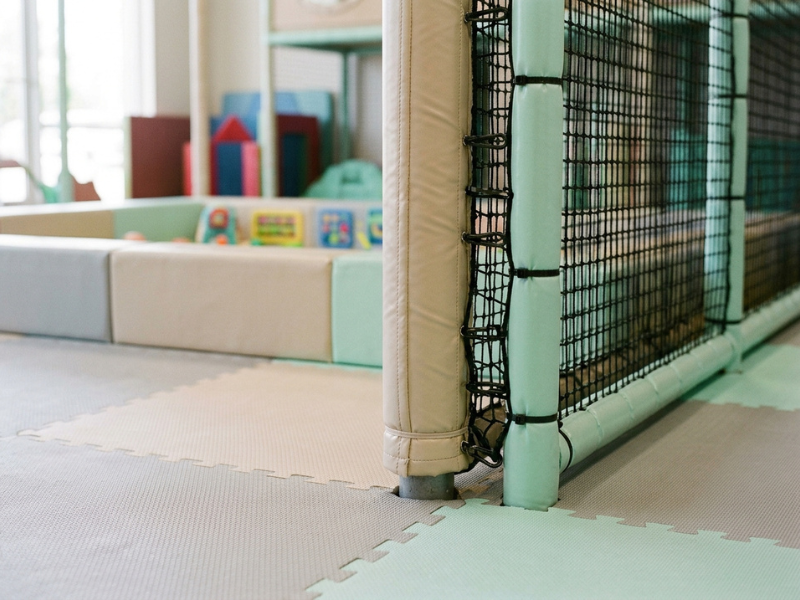
Do not cut safety equipment. Quality netting, padding, and certified frames protect kids and your reputation.
Do not cut impact flooring. Cheap mats compress and split early, and replacement can disrupt operations.
Do not cut HVAC. Hot rooms shorten visits and hurt repeat business.
Do not cut cleaning and staff training. Parents notice cleanliness and supervision immediately.
My rule is simple: save on what mainly impresses adults, and spend on what protects kids and keeps families comfortable.
Is It Better to Start Small or Build Big From Day One?
For most first-time operators, starting small makes more sense. Not tiny, but controlled. A 150 to 300 sqm space with strong soft play and a toddler zone lets you learn the business before you bet big on it.
Your first year teaches you things no feasibility study can fully predict. You learn your real weekday traffic, which hours sell, how many staff you need, and what parents will pay. A smaller site lets you learn those lessons at lower risk.
Large themed builds can work well. But they usually make sense only when three things line up: a proven location, larger capital, and clear demand. If even one of those is missing, a big build can become a big financial burden.
My usual advice is to open lean, prove the numbers, and expand from strength instead of hope.
FAQs
How profitable is an indoor playground business in the Philippines?
A well-run site can produce healthy margins. In many stable operations, net margins may land around 15% to 25% once traffic settles. Rent and occupancy cost usually shape profit more than ticket price alone.
How long does it usually take to break even?
Many projects recover their initial investment in about two to four years. Smaller provincial setups may recover faster, while larger themed builds often need more time because they carry heavier capital and a longer ramp-up period.
Do you need a franchise to open one?
No. Many successful playgrounds operate as independent brands. A franchise can help if you want a tested system, but it also adds fees, royalties, and supplier restrictions.
How much space do you realistically need?
For a first site, 150 to 300 sqm works well in many cases. That usually gives you enough room for a solid soft play structure, a toddler zone, a waiting area, and a front counter.
What permits are usually required?
Most projects need DTI or SEC registration, barangay clearance, mayor’s permit, and BIR registration. Your fit-out may also require building-related approvals and a Fire Safety Inspection Certificate. If you serve food, add sanitary requirements.
Is imported equipment always better than local equipment?
Not always. Imported equipment may offer stronger certifications and more polished designs, but freight, duties, and installation can raise the real cost sharply. Local fabricators often cost less, deliver faster, and handle repairs more easily.
Conclusion
Most indoor playgrounds in the Philippines need about ₱1.5M to ₱4M for a small soft play, ₱5M to ₱12M for a mid-size mall site, and ₱15M to ₱40M or more for a large themed build. Deposits and working capital come on top.
Equipment prices alone rarely decide where you land. Location, fit-out scope, and concept size usually matter more.
Take it one step at a time. Get equipment quotes first so you understand your core cost. Then confirm lease terms, including deposits, fit-out period, and mall rules. Only after that should you build your full budget.
Read More: 10 Popular Indoor Playgrounds in Manila — and What Business Owners Can Learn from Them